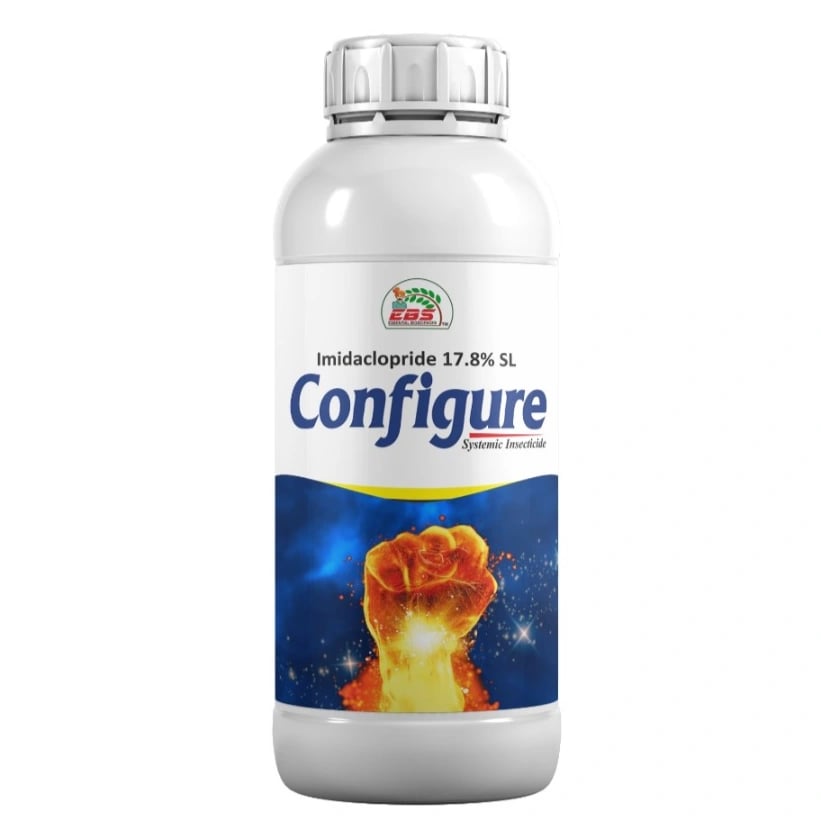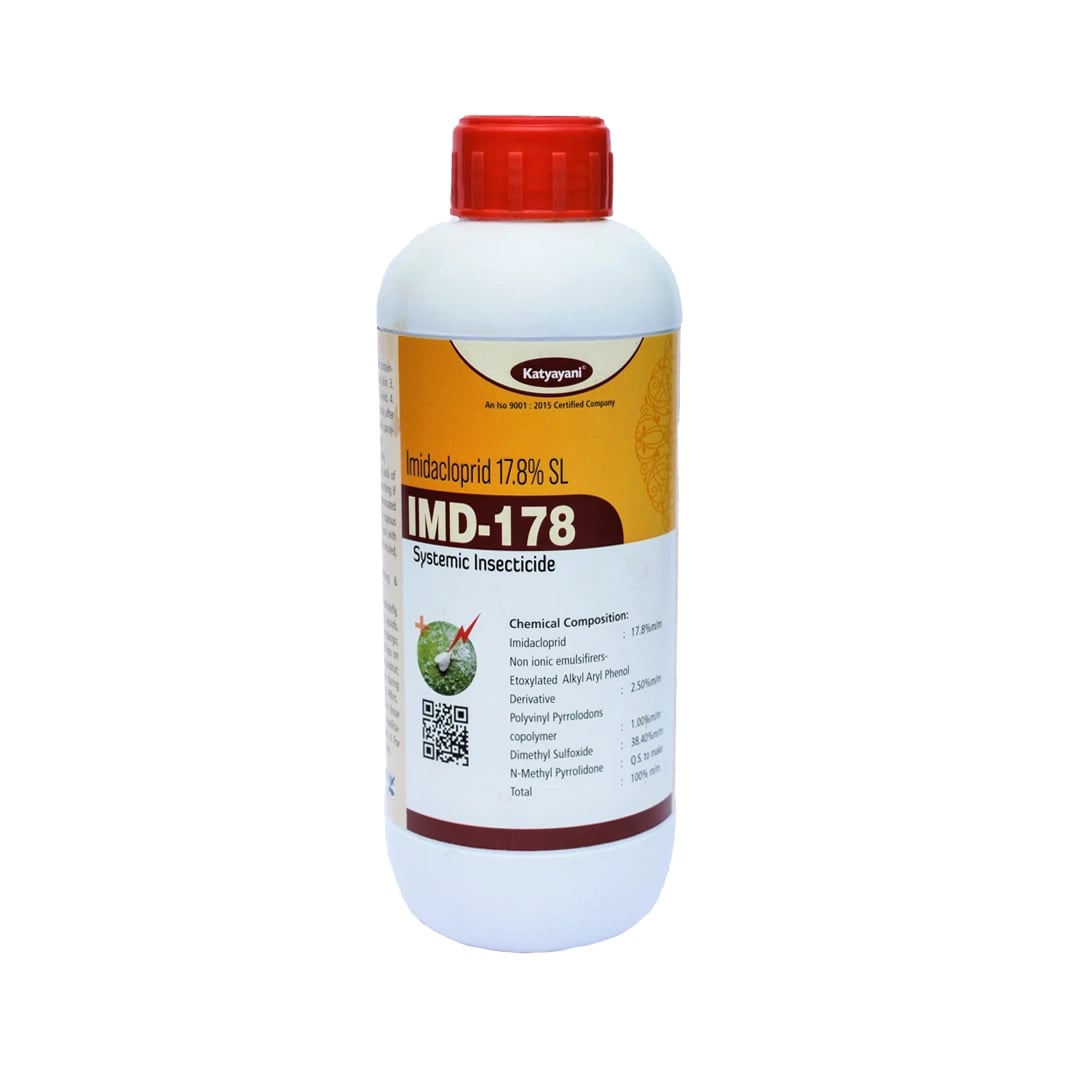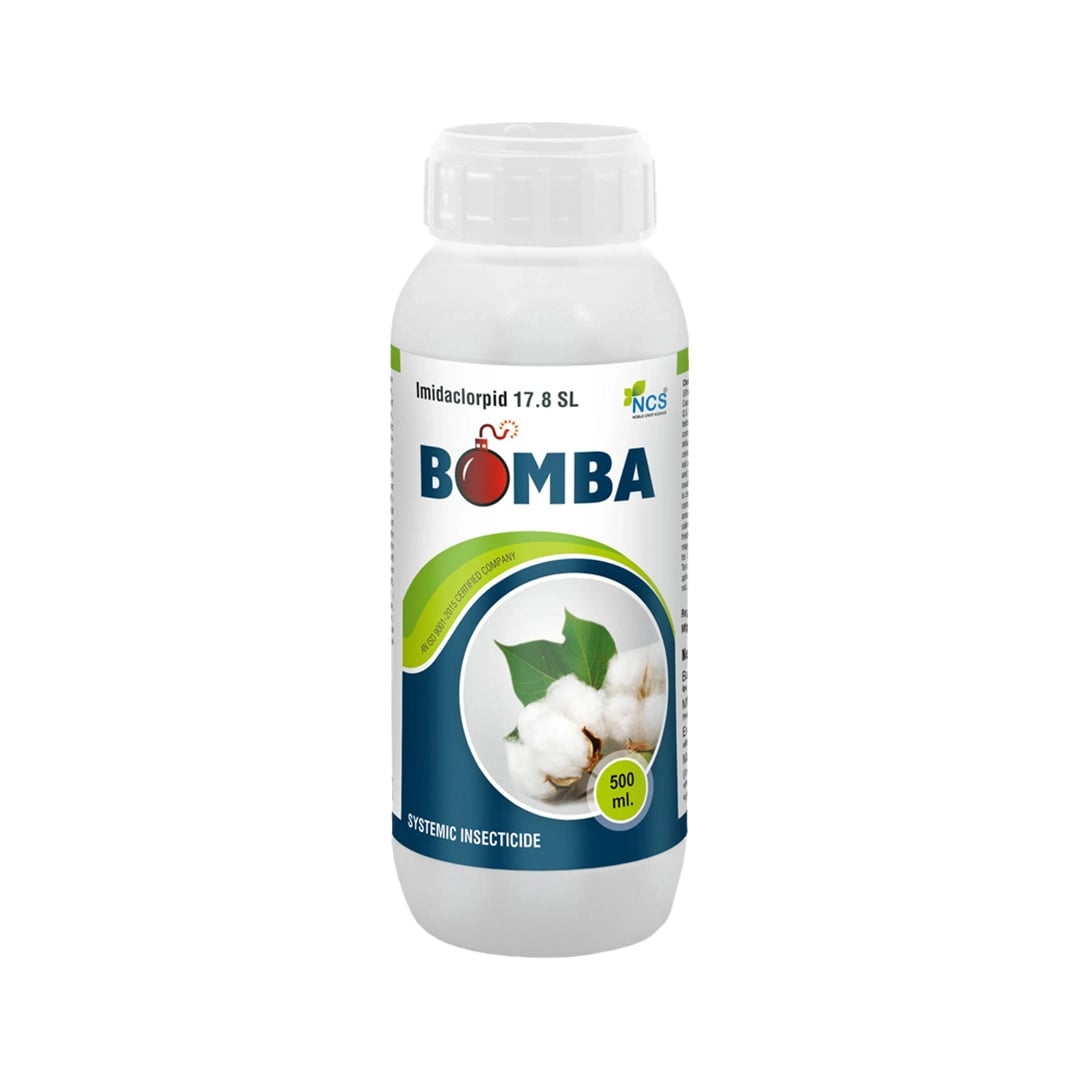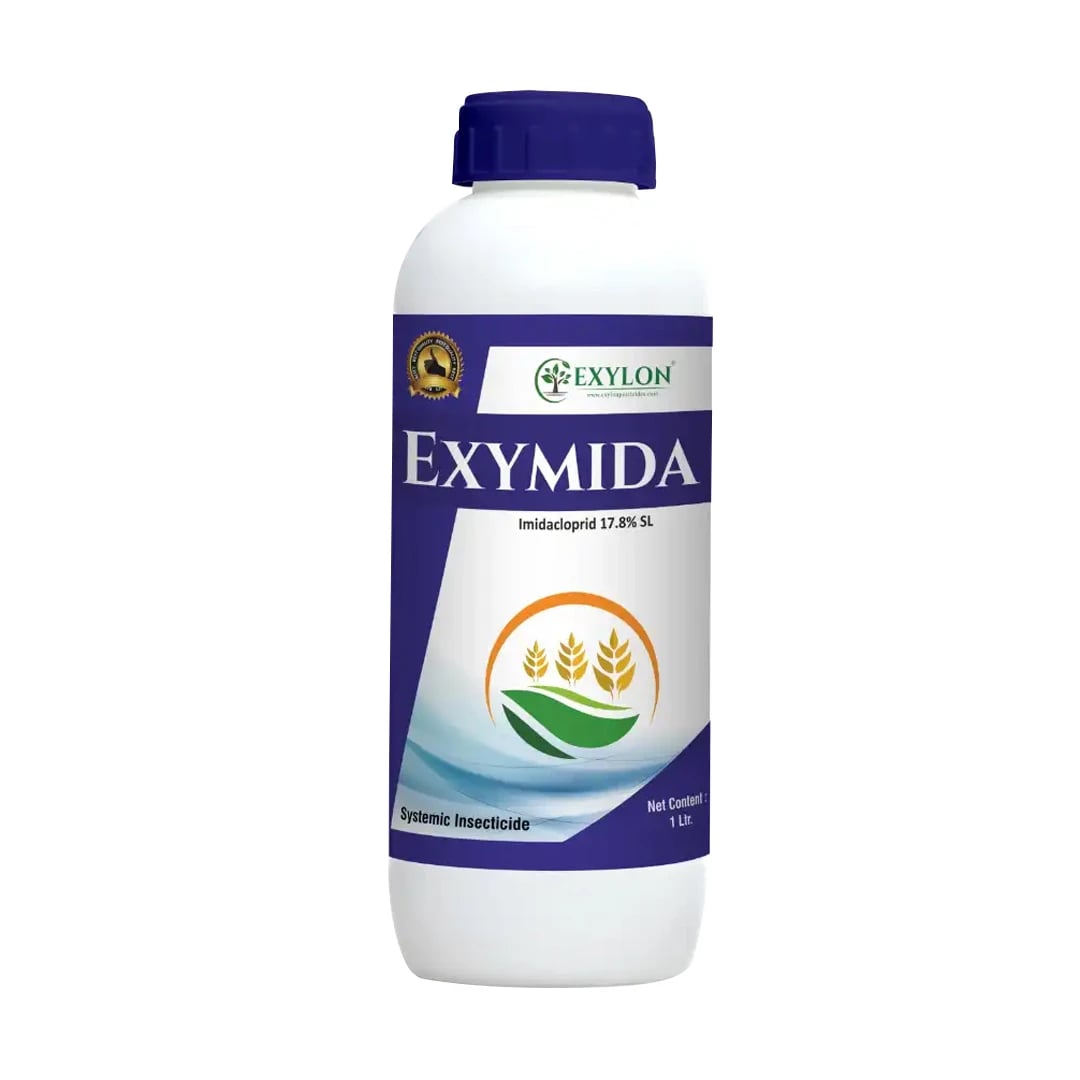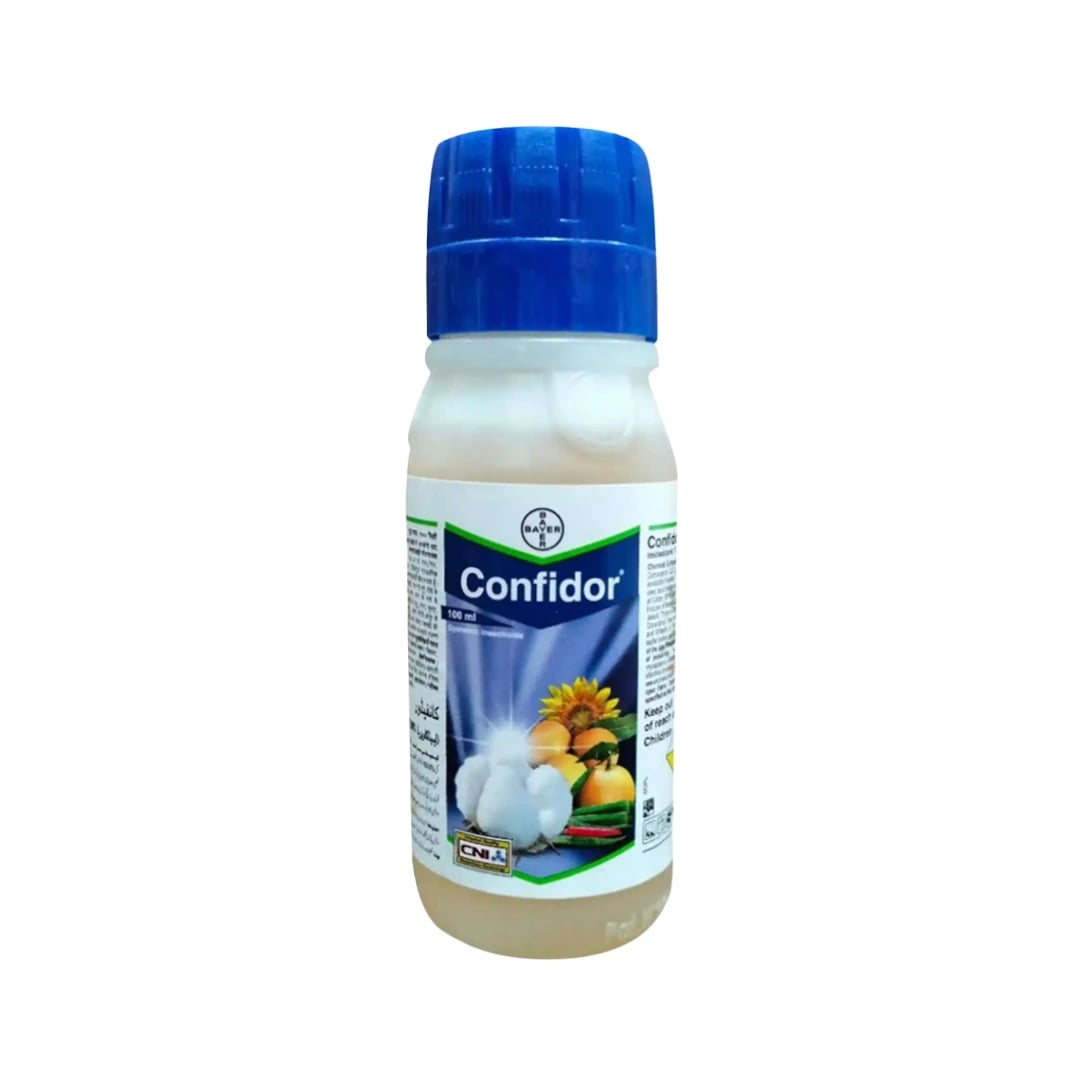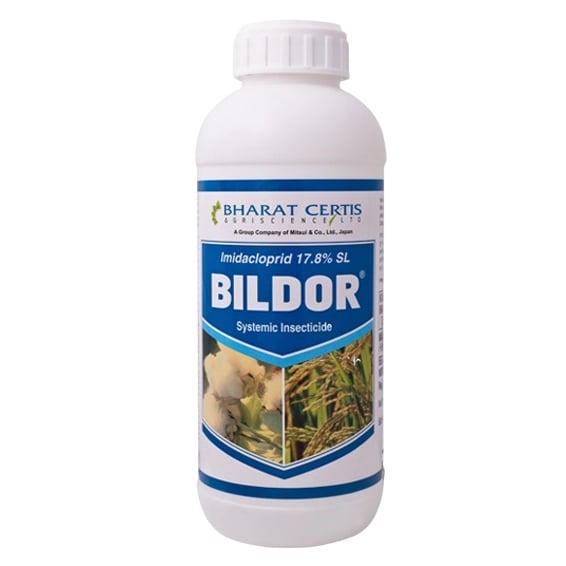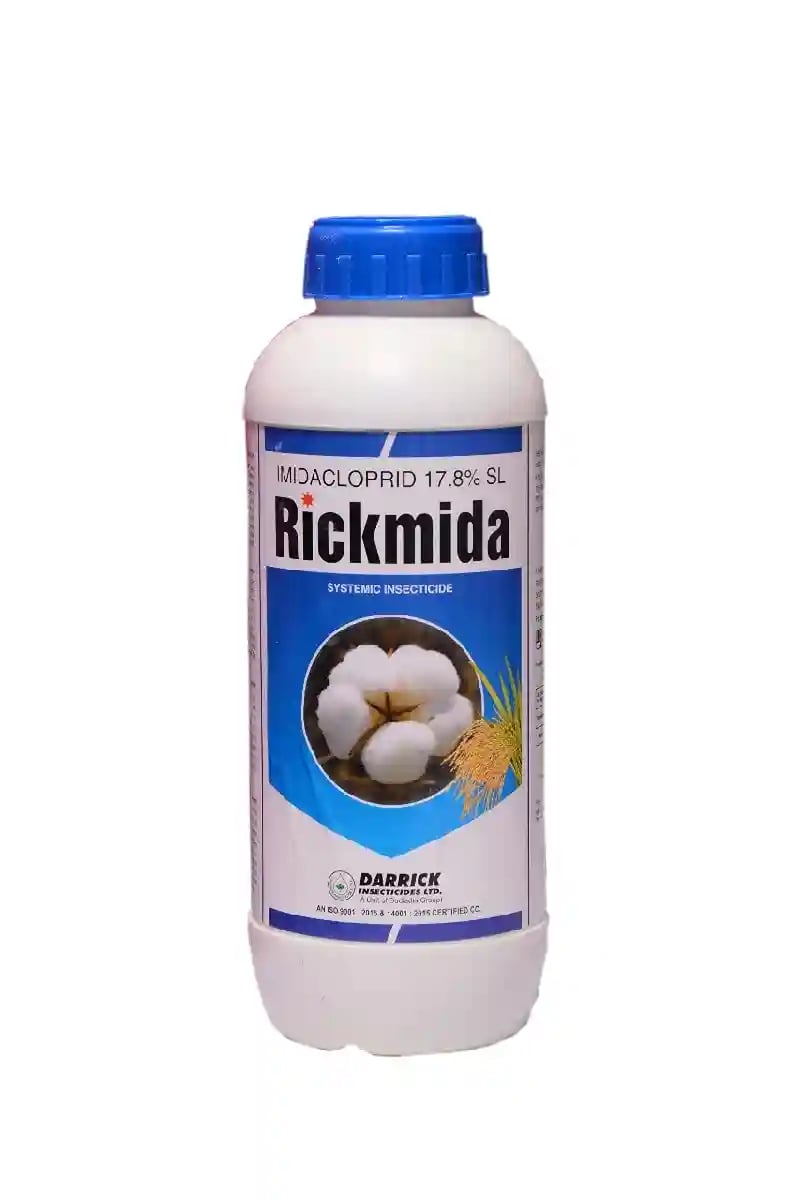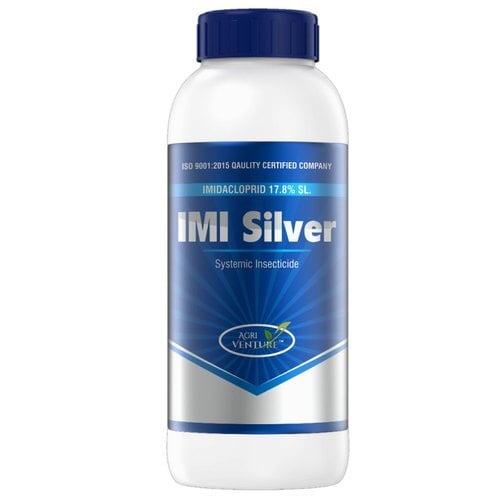

Rain-Mida Insecticide
₹908₹1590
Save ₹68243% Off

🎉 You Save ₹933 (43% OFF)
Buying In Bulk?
Get Special Pricing for large orders, contact us now!

| Brand: | Dhanuka Agritech Limited |
| Product Code: | 6764 |
| Country of Origin: | India |
| Category: | Crop Protection |
| Sub Category: | Insecticides |




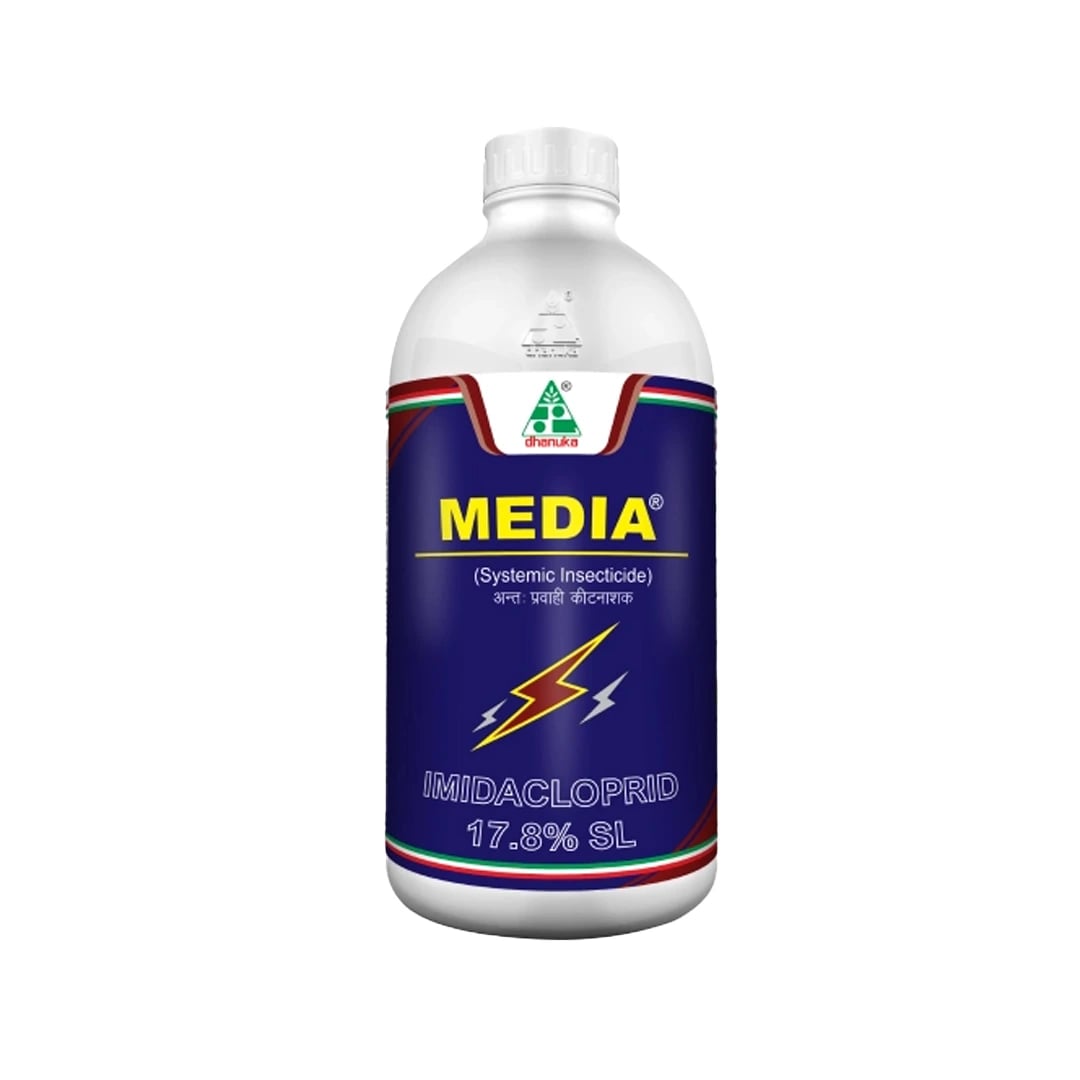
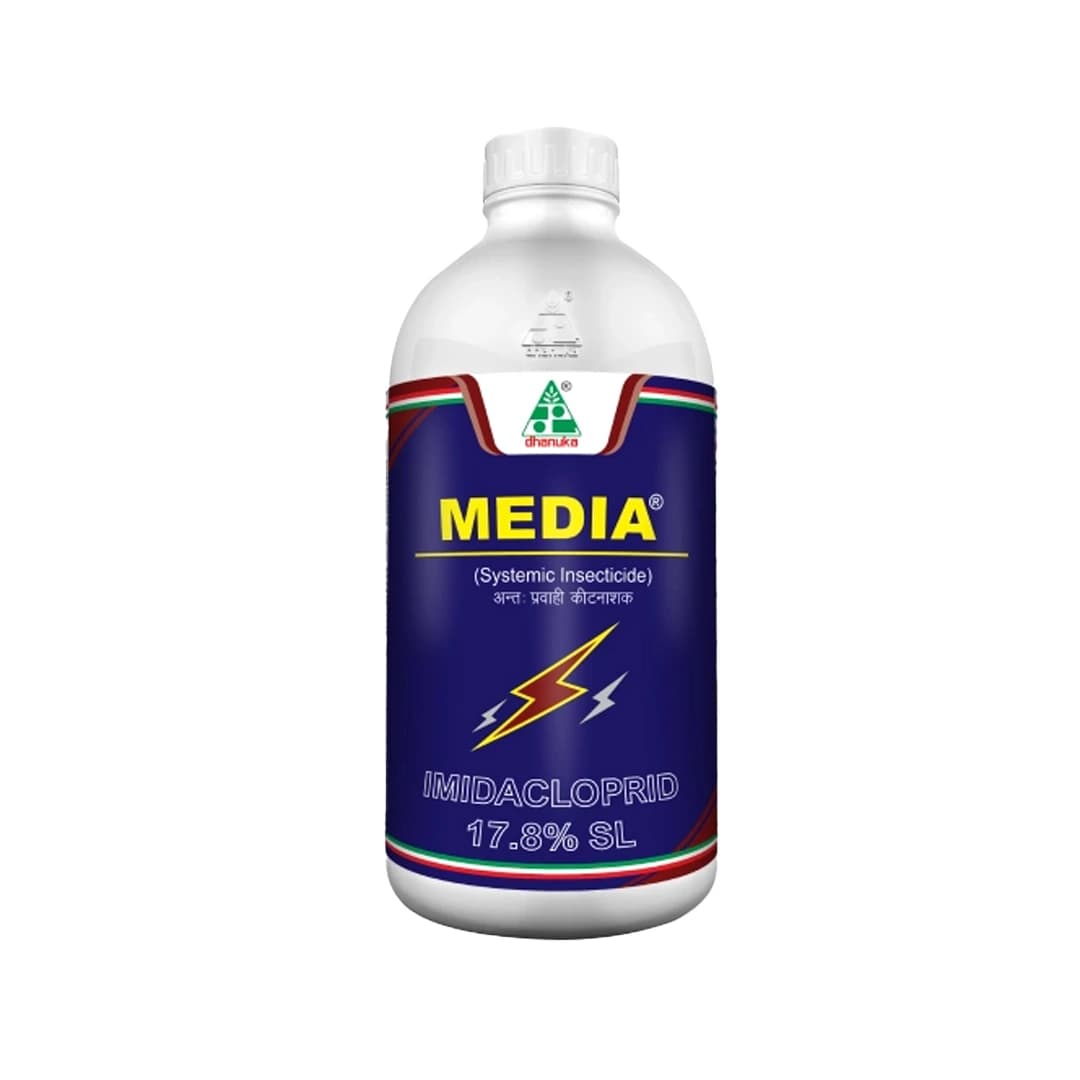
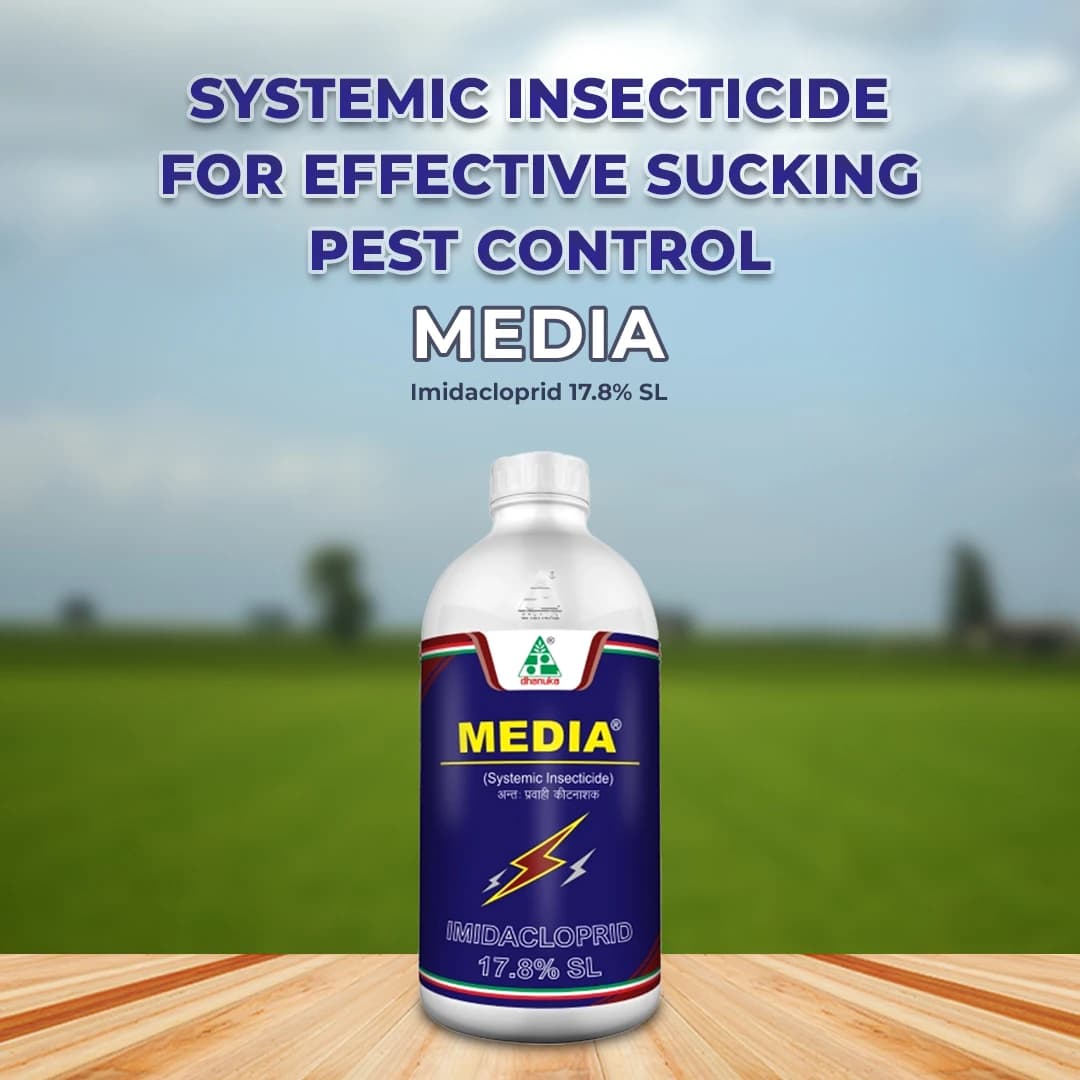
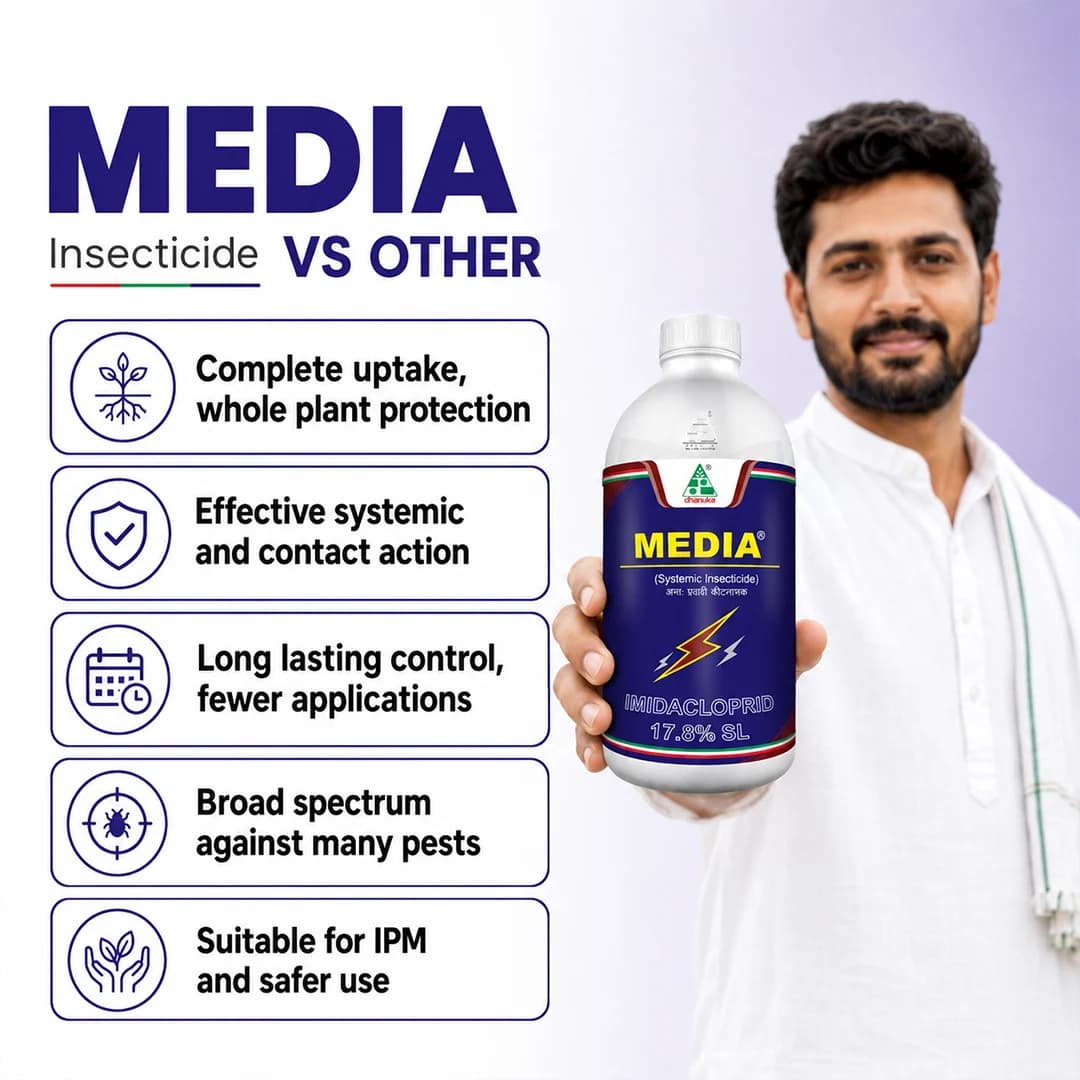
Dhanuka Media insecticide is a broad-spectrum insect control remedy for crops, useful for controlling sucking pests and termites across all major crop types. It offers a systemic and contact mode of action that works by disrupting the pest’s central nervous system by binding to certain receptors, causing over-stimulation, leading to paralysis and death. The Media insecticide provides strong protection against a wide range of pests, with long-lasting protection, making it very cost-effective.
Complete Coverage: Media insecticide is absorbed through both roots and leaves, and is circulated throughout due to its strong translaminar activity.
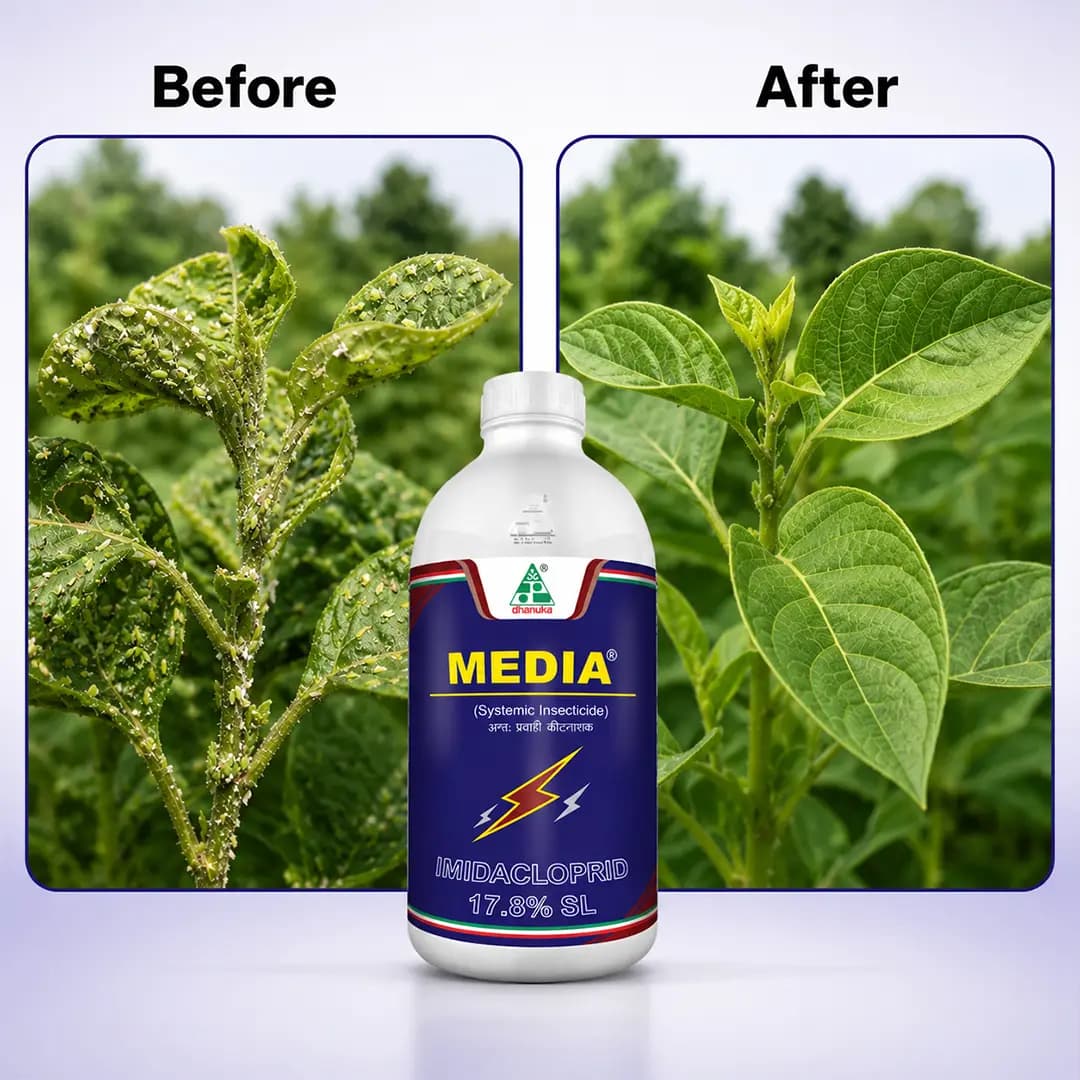
Effective Protection: Dhanuka Media insecticide offers systemic and contact modes of action, ensuring healthier crops for better yields.
Prolonged Effects: Media insecticide stays active for a longer duration of time, reducing the requirement for frequent application.
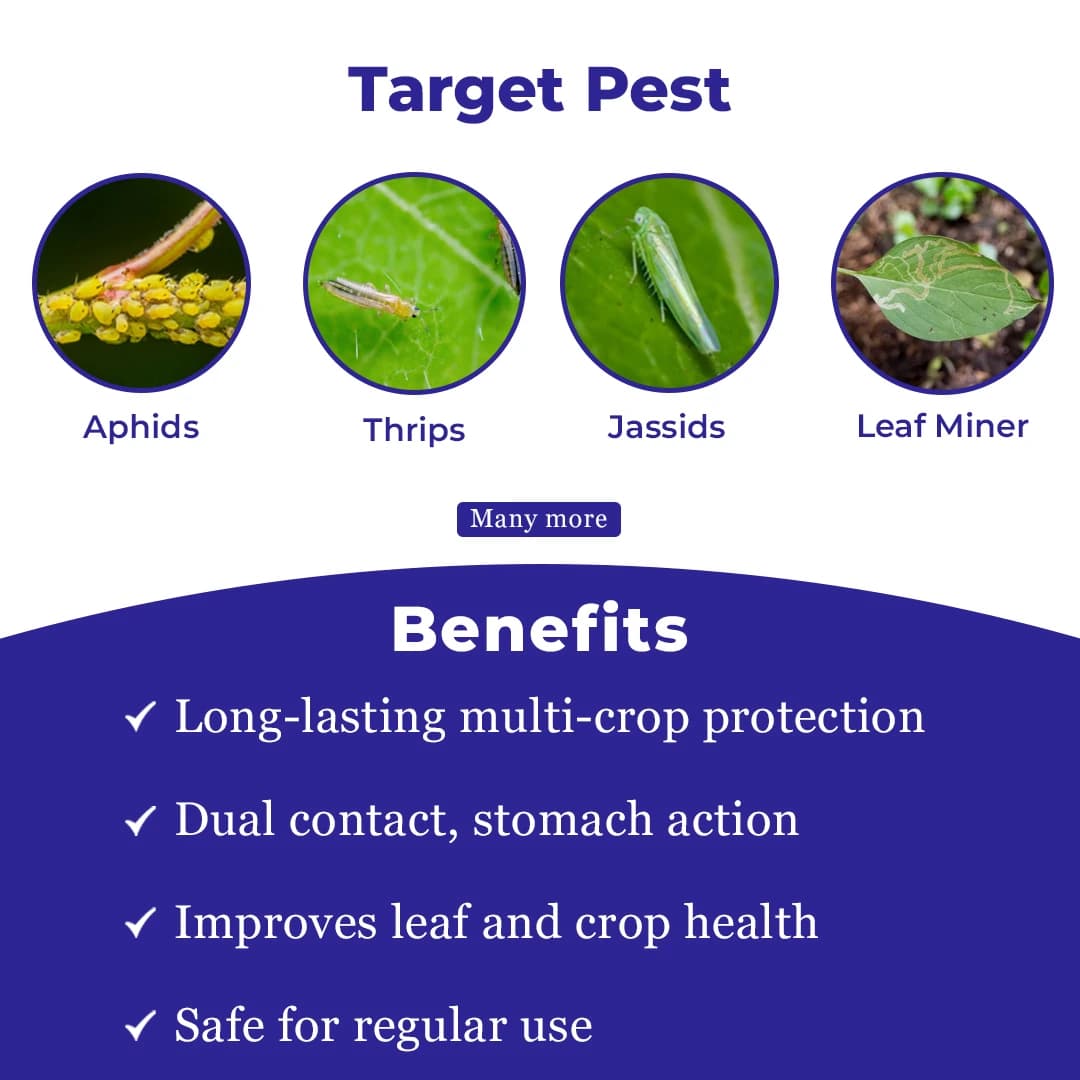
Broad-Spectrum: This insecticide is effective against a wide range of pests like Aphids, Whiteflies, Jassids, Thrips, and many others.
Environmentally Friendly: Dhanuka Media insecticide can be used for IPM practices for various economic and environmental benefits.
Sucking Pests: Aphids, Jassids, Thrips, Whiteflies
Hopper Pests: Brown Plant Hopper (BPH), White-Backed Plant Hopper (WBPH), Green Leaf Hopper (GLH)
Leaf and Shoot Pests: Leaf Miner, Flea Beetle, Tea Mosquito Bug
Sap Sucking Pests (Fruit Crops): Psylla (Citrus, Mango), Hoppers (Mango, Citrus)
Soil Pests: Termites in Sugarcane (soil drench application)
Mix Dhanuka Media in 200 litres of water per acre for foliar spray. Apply at the first sign of pest activity or at the Economic Threshold Level (ETL) for the target pest.
The Media Insecticide Dose Per Litre is 0.5–1 ml per litre of water for most foliar spray applications.
Crop | Target Pest | Dose Per Acre | Per 15L Pump | PHI |
|---|---|---|---|---|
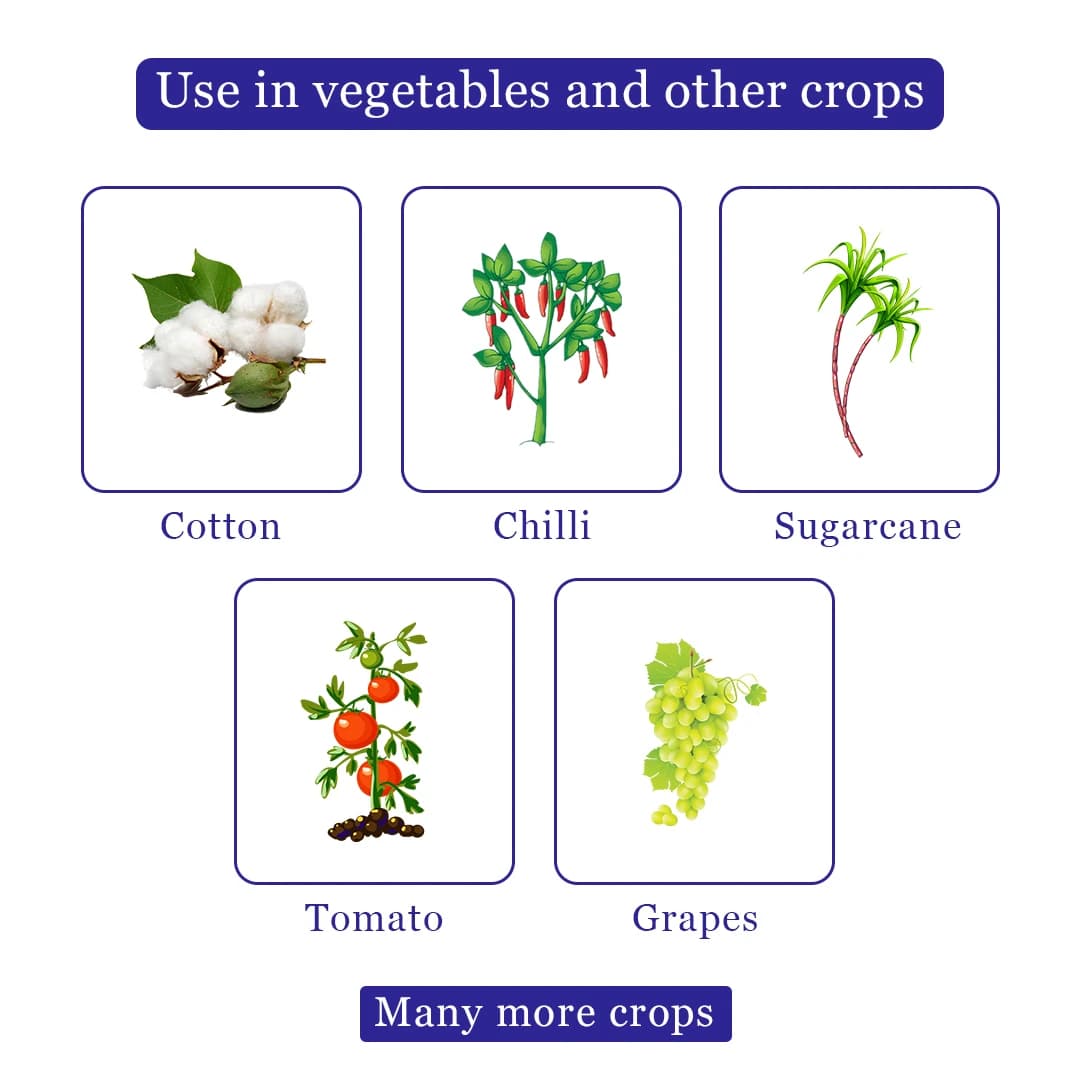
Cotton | Aphids, Whiteflies, Jassids, Thrips | 40–90 ml | 3–7 ml | 21 days |
Paddy / Rice | BPH, WBPH, GLH | 40–120 ml | 3–9 ml | 14 days |
Chilli | Jassids, Aphids, Thrips | 50–100 ml | 4–7.5 ml | 7 days |
Okra | Jassids, Aphids, Thrips | 40–100 ml | 3–7.5 ml | 7 days |
Tomato | Whiteflies, Aphids | 60–70 ml | 4.5–5 ml | 7 days |
Brinjal | Sucking Pests | 100 ml | 7.5 ml | 7 days |
Groundnut | Aphids, Jassids | 40–50 ml | 3–4 ml | 21 days |
Sunflower | Aphids, Thrips | 40 ml | 3 ml | 21 days |
Sugarcane | Termites | 1.5–2 ml per litre (soil drench) | — | 45 days |
Mango | Hoppers, Leaf Miner | 2–4 ml per 10 litres | — | 21 days |
Tea | Tea Mosquito Bug | 2.5 ml per litre | — | 5 days |
Measure the required dose of Dhanuka Media as per the crop-wise dose table above.
Add the measured quantity to a sprayer tank partially filled with clean water and mix well.
Fill with the remaining clean water and agitate to form a uniform spray solution before use.
Use a hollow cone or flat fan nozzle for thorough coverage — ensure spray reaches the underside of leaves where sucking pests concentrate.
Apply at the first sign of pest activity or at the Economic Threshold Level (ETL) for the target pest.
For soil drench in Sugarcane termite control, dilute the required dose in sufficient water and apply directly to the root zone of each plant.
Spray during early morning or late evening — avoid spraying during active bee foraging hours, near flowering crops, or near water bodies.
Rinse all sprayer equipment thoroughly with clean water after every use.
Best Time to Apply:
Apply this insecticide in the early morning or late evening. For best systemic uptake, ensure adequate soil moisture during soil drench applications. For foliar sprays, apply when pest populations first reach the economic threshold — early intervention gives the most complete pest knockdown.
Frequency of Application: Apply at the first sign of pest infestation. Dhanuka Media insecticide can be applied up to 2 times per season — always rotate with a different IRAC group after the second application to prevent resistance build-up.
Re-Entry Period: Do not enter treated fields for at least 12 hours after spraying without proper protective gear.
Tank-Mix Compatibility: This insecticide is compatible with most insecticides and fungicides. Avoid strongly alkaline products. Always perform a jar test before mixing with any unfamiliar input.
Wear gloves, goggles, and a face mask before handling or spraying Dhanuka Media insecticide.
Do not eat, drink, or smoke during mixing or application.
Avoid direct contact with skin and eyes — rinse immediately with clean water for 15 minutes if contact occurs.
Highly toxic to bees — do not spray during active bee foraging hours, near beehives, or on flowering crops.
Keep children, pets, and livestock away from treated fields for at least 12 hours.
Wash all exposed skin with soap and water after every spray session.
Triple rinse empty containers, puncture, and dispose of per local waste guidelines.
Store Dhanuka Media in its original sealed container in a cool, dry place away from direct sunlight.
Keep away from food, animal feed, and seeds.
Store out of reach of children and farm animals.
Storage Temperature: Below 35°C.
Shelf Life: 2 years from the date of manufacture.
Specification | Details |
|---|---|
Product Name | Dhanuka Media Insecticide |
Brand | Dhanuka Agritech Limited |
Technical Name | Imidacloprid 17.8% SL (Soluble Liquid) |
Chemical Class | Neonicotinoid |
IRAC Group | 4A — Nicotinic Acetylcholine Receptor (nAChR) Antagonist |
Mode of Action | Systemic + Translaminar + Contact + Stomach — nAChR binding → nerve disruption → paralysis → death |
Formulation Type | SL — Soluble Liquid |
Application Method | Foliar Spray / Soil Drench / Seed Treatment |
Dose | 0.5–1 ml per litre of water (40–120 ml per acre, crop specific) |
Pack Sizes Available | 250 ml, 500 ml, 1 Litre, 5 Litre, 10 Litre |
Country of Origin | India |
Shelf Life | 2 years from date of manufacture |
Pre-Harvest Interval (PHI) | 5–45 days (crop specific) |