Every harvest starts with a drop of water. Even the richest soil and the finest seed cannot guarantee a yield without it. Especially in India, farmers are well aware of the uncertain weather conditions. Some years bring heavy rains that flood fields, while others bring long dry spells that damage standing crops. That is where irrigation is the deciding factor that keeps crops alive and ensures consistent harvests.
In this blog, you will understand irrigation, the types of irrigation farmers across India use, why it matters, and how irrigation impacts soil, along with best practices for small and large farms.
What is Irrigation in Farming
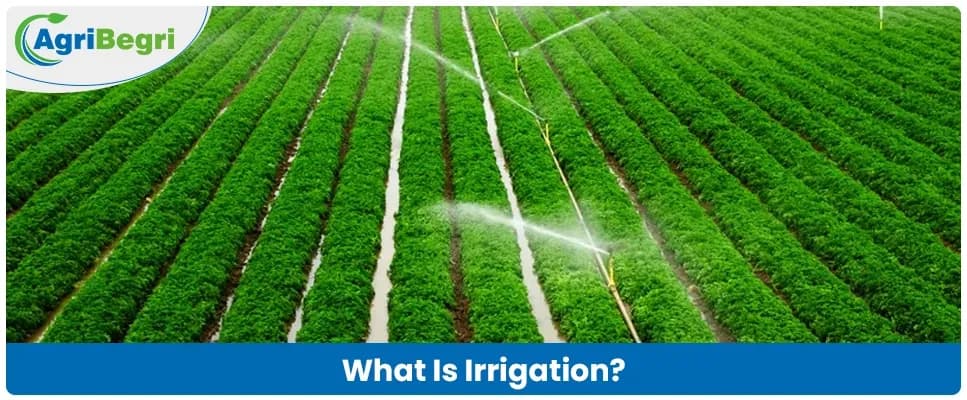
Irrigation is the practice of supplying water to crops when rainfall is insufficient for healthy growth. The goal is not to overflood fields but to supply the right amount of water at the right time.
Irrigation is the farmer's ideal approach, which helps them grow crops by using water directly through wells, pumps, lakes, or modern methods like sprinklers or drip pipes. This helps crops grow, mature, and stay healthy.
For example, rice will benefit from unevenly wet fields, whereas wheat in Punjab requires specific water applications at certain stages of growth. In either case, there is also the flexibility of irrigation and not just relying on rain, whether on a large or small scale.
Types of Irrigation
Here are four main types of irrigation:
1. Surface Irrigation
Farmers in India have long practiced surface irrigation, making it the most common method of watering crops. In surface irrigation, farmers supply water to the field, which flows over the land by gravity. Farmers largely depend on canals, rivers, tanks, wells, and tube wells as the primary sources of water for farming.
2. Sprinkler Irrigation
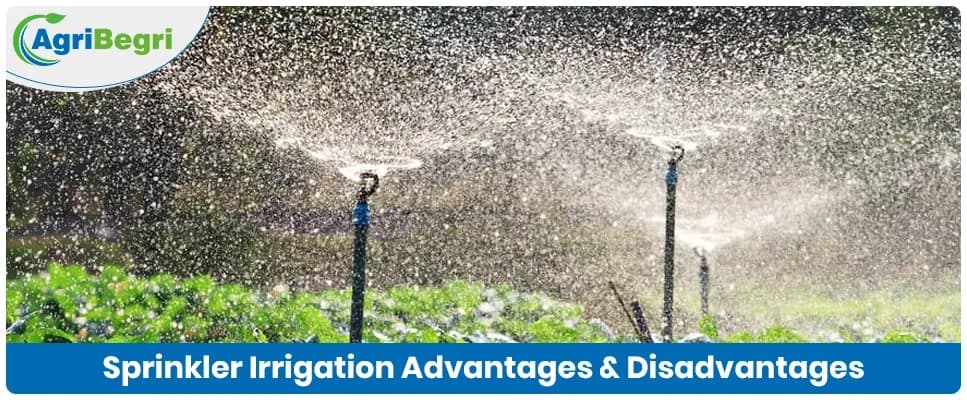
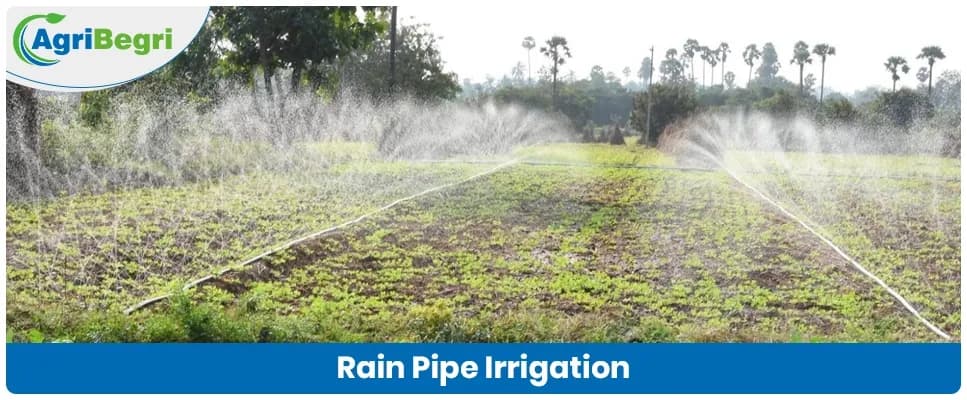
Sprinkler irrigation is a modern method that sprays water on crops, much like natural rainfall. Farmers place a system of pipes, pumps, and nozzles across the field, pump water under pressure, and spray it over the entire field. This benefits a rotating sprinkler, as it will distribute water evenly and is very effective on sandy soils or uneven land.
3. Drip Irrigation
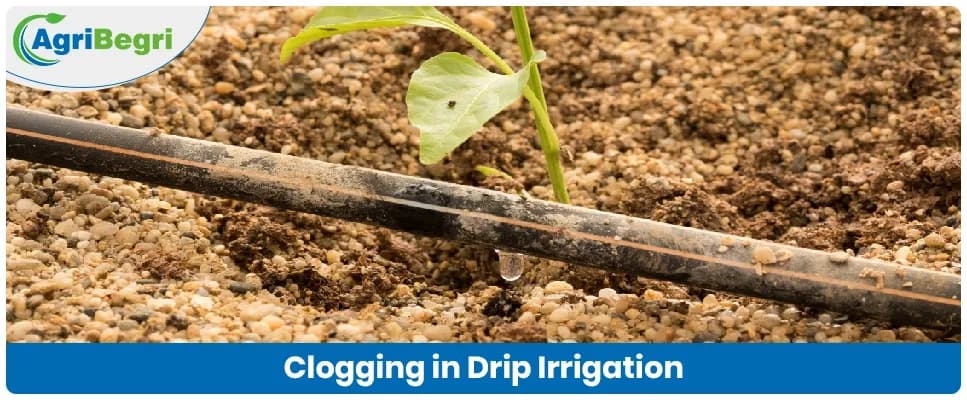
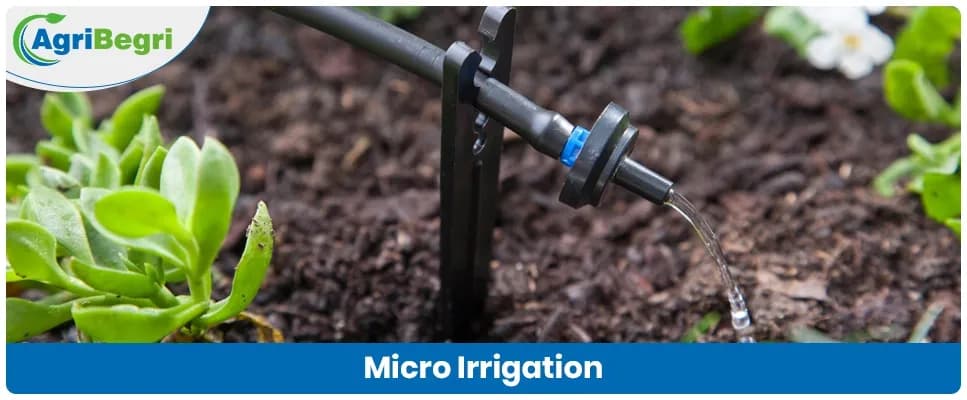
Drip irrigation is one of the most efficient modern methods. It uses a network of pipes and tubes to deliver water directly to the roots, drop by drop. It applies the right amount of water directly to the roots. Farmers use drip irrigation for fruits, vegetables, grapes, bananas, and sugarcane.
4. Subsurface Irrigation
In subsurface irrigation, water is supplied below the soil surface to keep the root zone moist. They achieve this either by raising the groundwater table or by using underground pipes that deliver water directly to plant roots. This reduces evaporation, suppresses weeds and pests, and maintains consistent moisture in the root zone.

Learn Why Irrigation Is Essential for Crop Growth and Food Security
Here are the key reasons why irrigation is so essential for Indian agriculture:
Ensures Food Security
With a growing population, it is equally important to harvest more crops to fulfill requirements. But structured irrigation systems ensure crop growth and water supply even if rainfall is scarce, leading to dependencies on monsoons. This stability helps in securing food supply and fulfilling needs of people in India.
Improves Crop Yield and Quality
A consistent water supply through irrigation helps farmers to achieve higher yields and better quality crop production. Major crops like wheat, rice and sugarcane require controlled irrigation leading to healthier crops. This helps in meeting domestic and export demands.
Helps in Drought-prone Areas
Diverse parts of India are highly vulnerable to drought situations. But proper irrigation approaches help in mitigating the risk of crop failure by providing water supply during dry spells. This aim is to safeguard the farmer’s incomes and ensure agricultural activities continue even in challenging conditions.
Supports Year-round Farming
Without proper irrigation methods, farming will be restricted to monsoons. But by implementing efficient irrigation methods, farmers can cultivate multiple crops throughout the year. This helps them to boost productivity and make better utilization of fertile land.
See How Irrigation Impacts Soil Fertility and Productivity
Irrigation helps grow crops and improve soil health. A good irrigation system enhances fertility and leads to better yields, while a bad system can harm soil health.
Let us consider some positives and negatives:
Positive impacts
- Keeps soils moist to maintain structures
- Helps tiny soil microbes to survive and thrive
- Makes soil remain durable, hold more water
Negative impacts
- Too much or poor water leaves harmful salts in the soil
- Extra water washes away useful nutrients
- Waterlogged soil harms roots and reduces good microbes
Discover the Role of Irrigation in Tackling Monsoon Dependency
Indian agriculture relies heavily on the monsoon, but rainfall is not always reliable for optimal crop growth. There can be an abundance of rain or a delay in rainfall, which leads to loss of crops and farmer efforts.
An ideal irrigation system enables farmers to mitigate the uncertain risk of crop yield. They can plant on time with reliable access to water, be prepared for extremely dry conditions, and even grow crops in locations with little or no rain by using sustainable irrigation methods.
Conclusion
Irrigation is the most important part of agriculture. It helps the crop through each step, protects it against loss of crop from uncertain monsoons, and allows a reliable crop quantity to fulfil the needs of a growing population.
Irrigation maintains soil health, enables multiple harvests in a year, and provides farmers with security. The future of Indian agriculture depends on how effectively irrigation systems are managed and used.