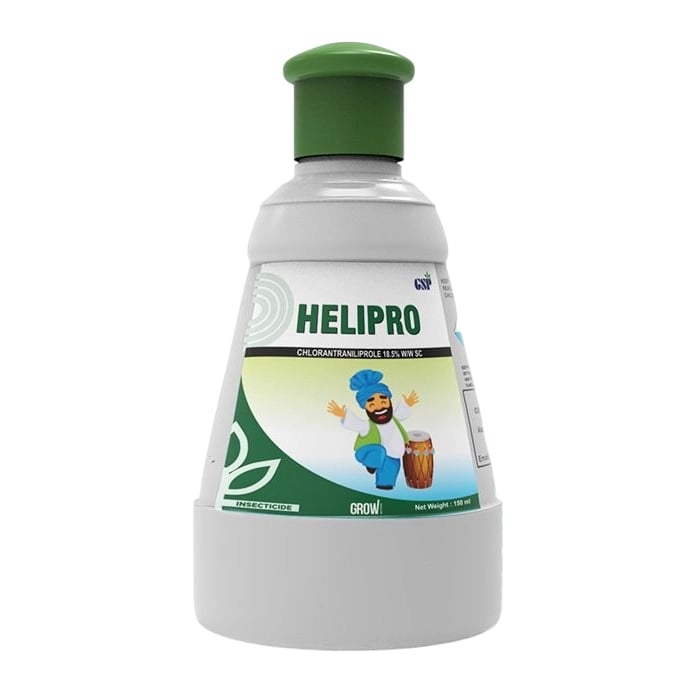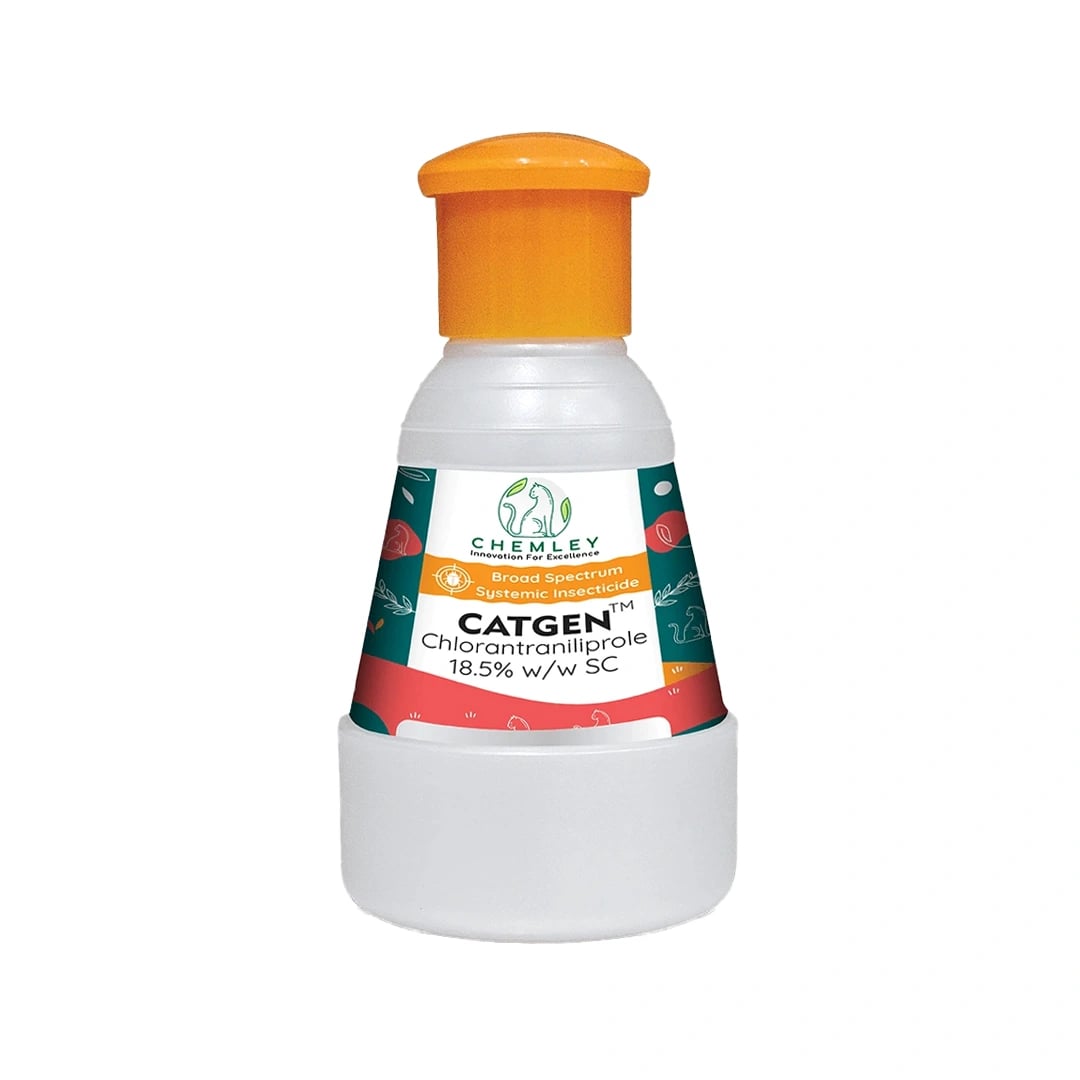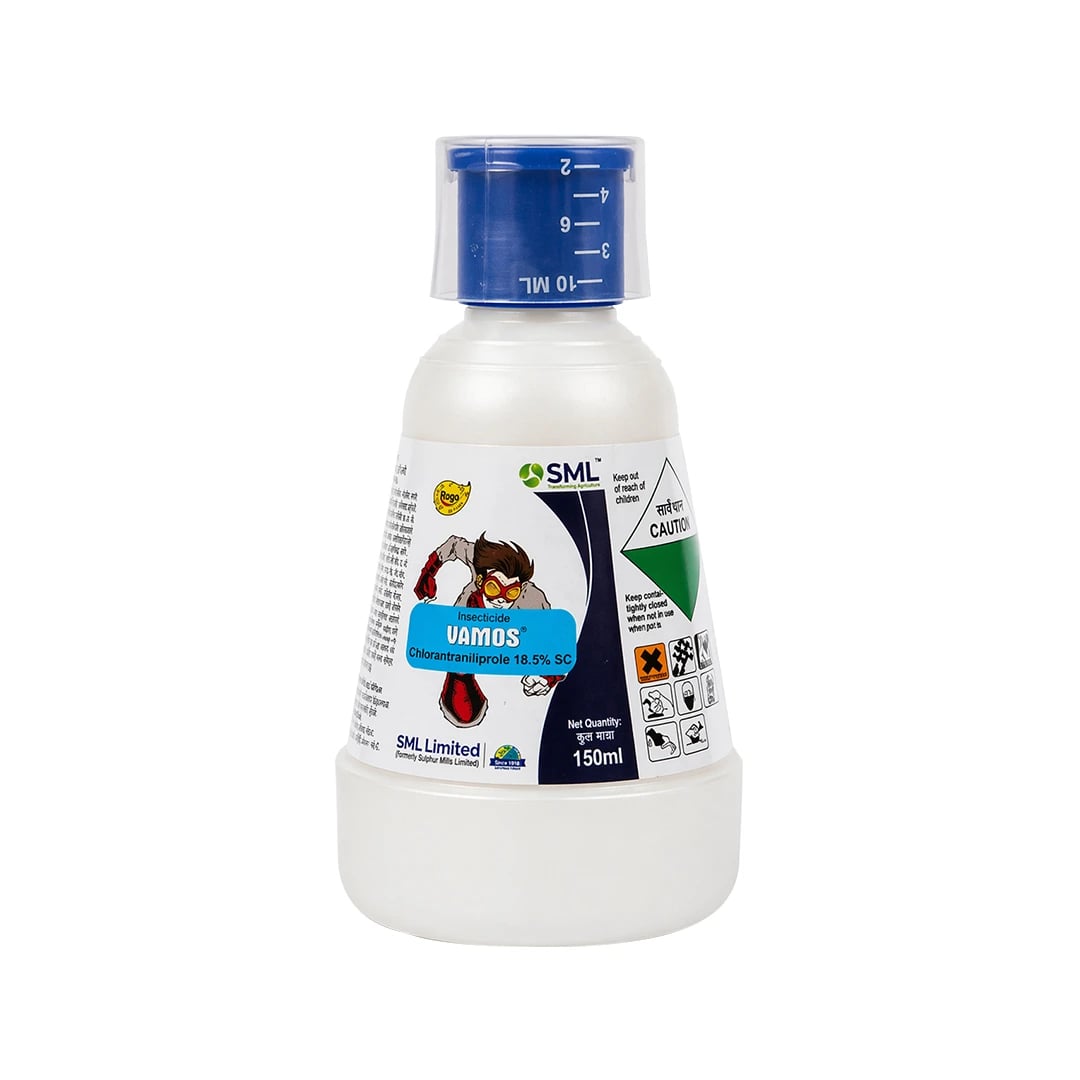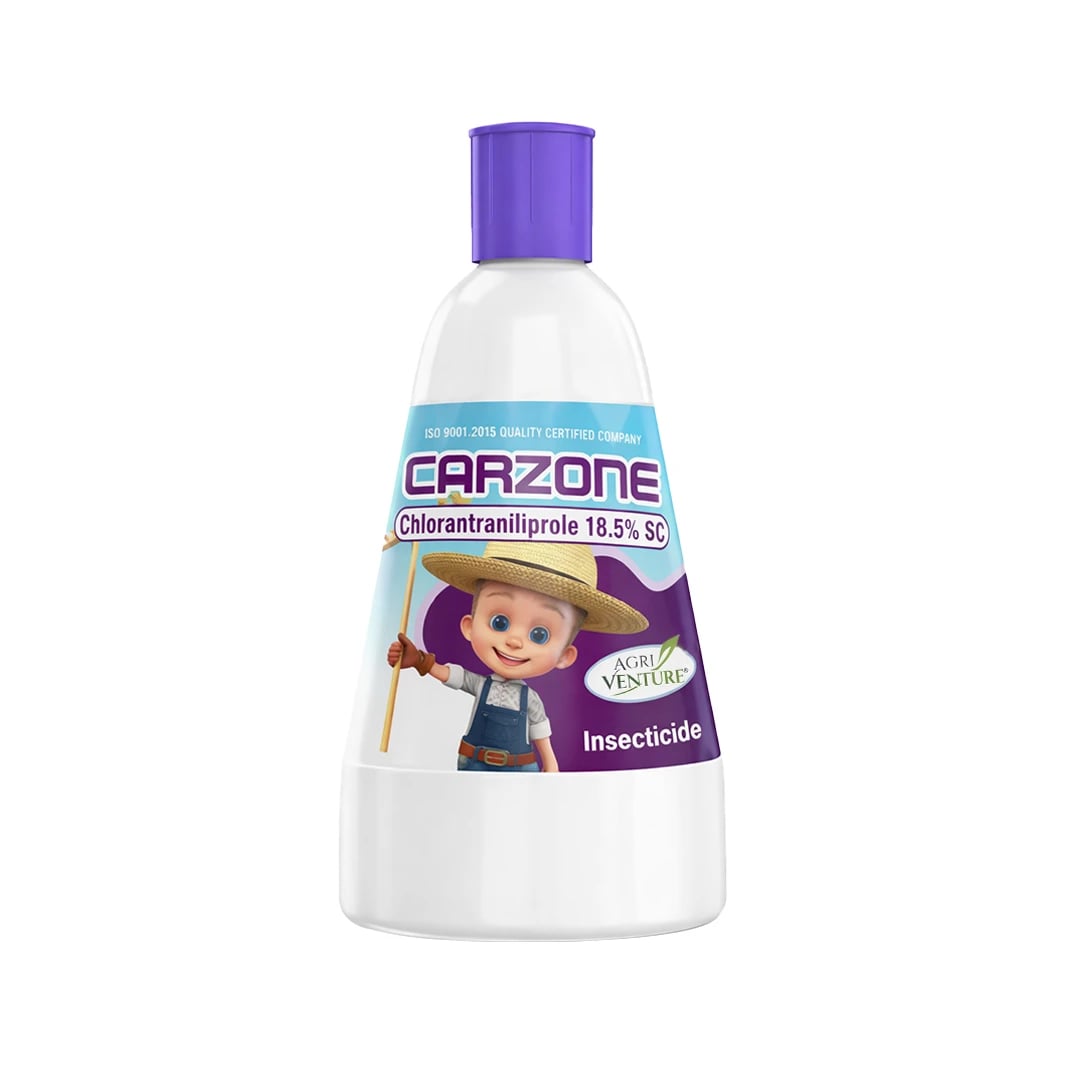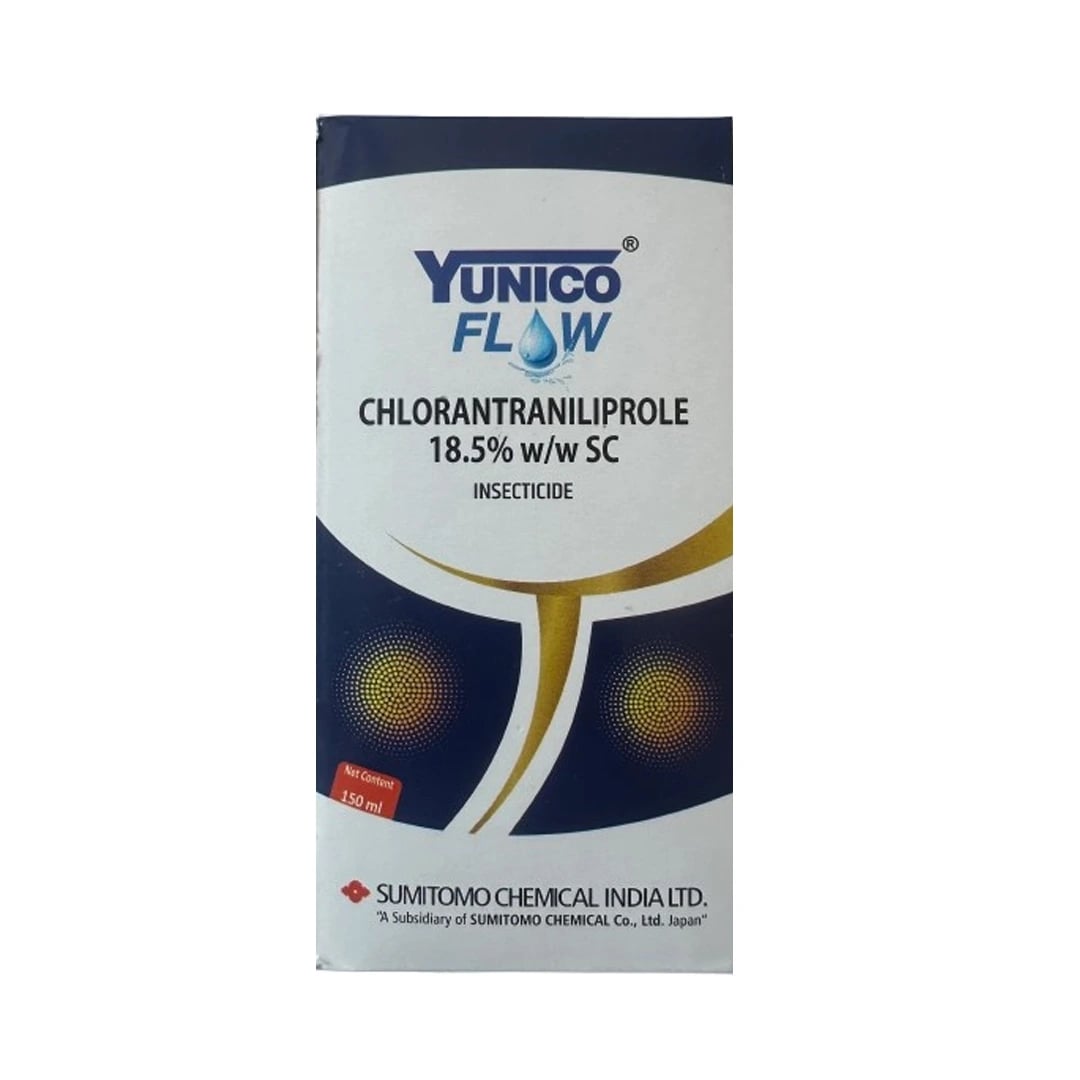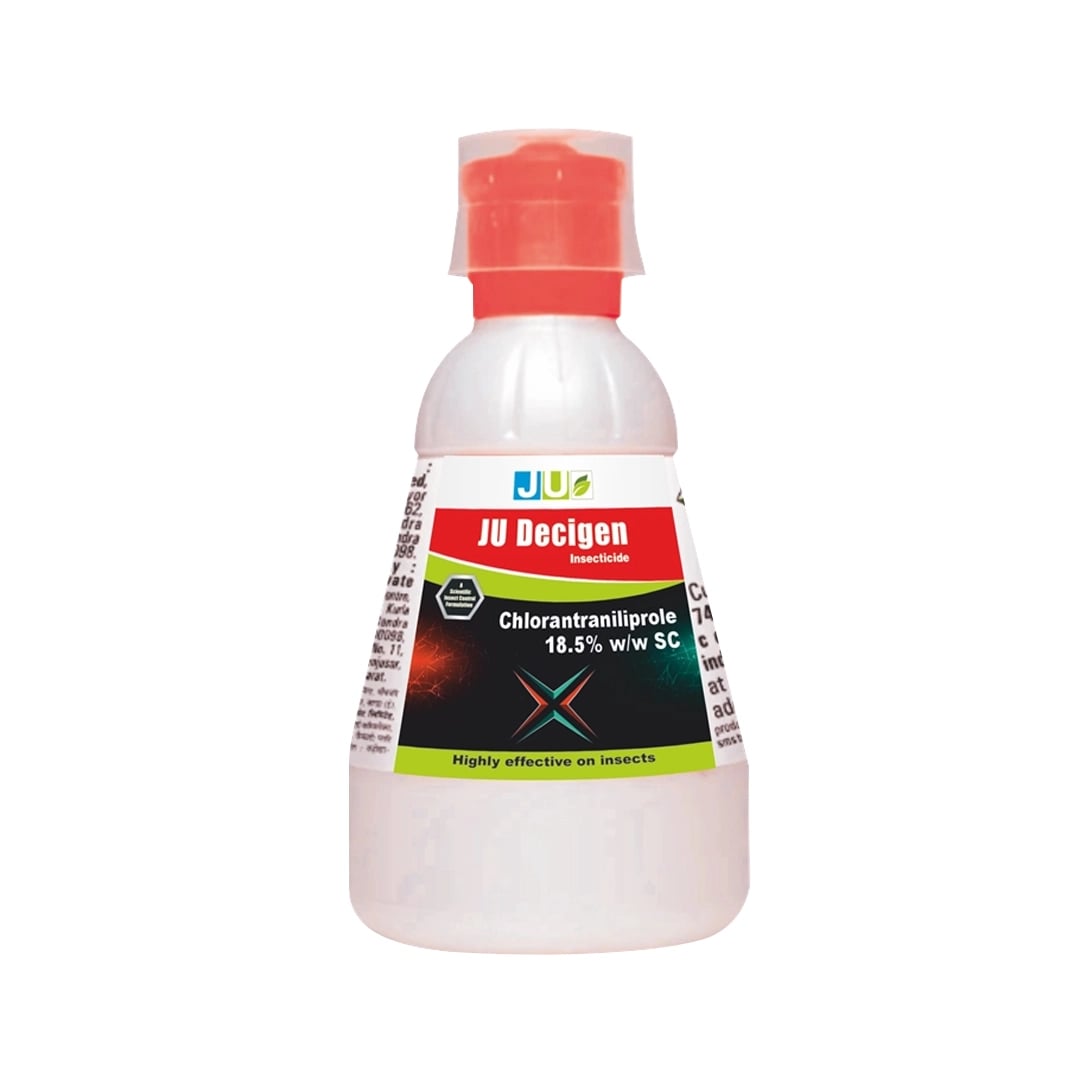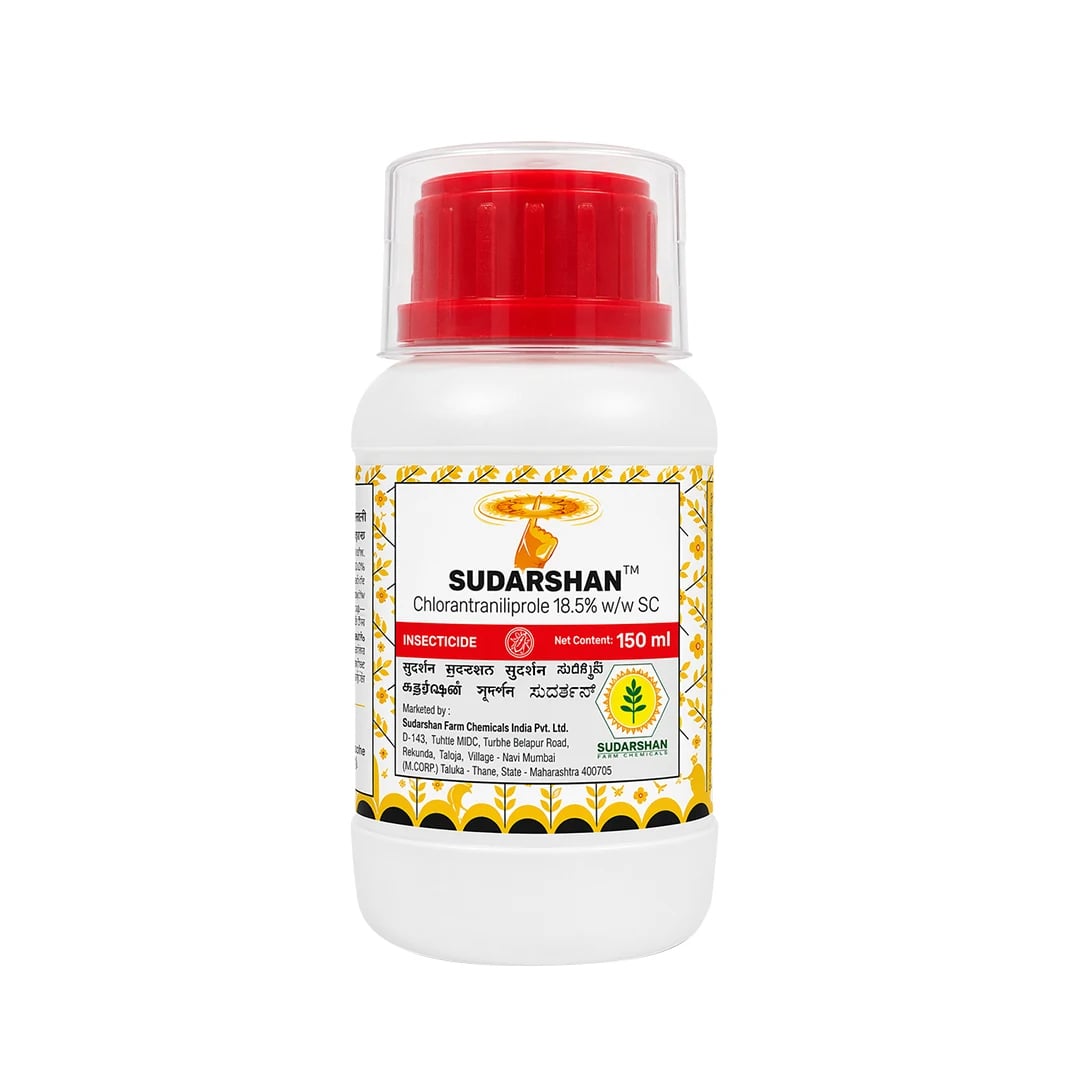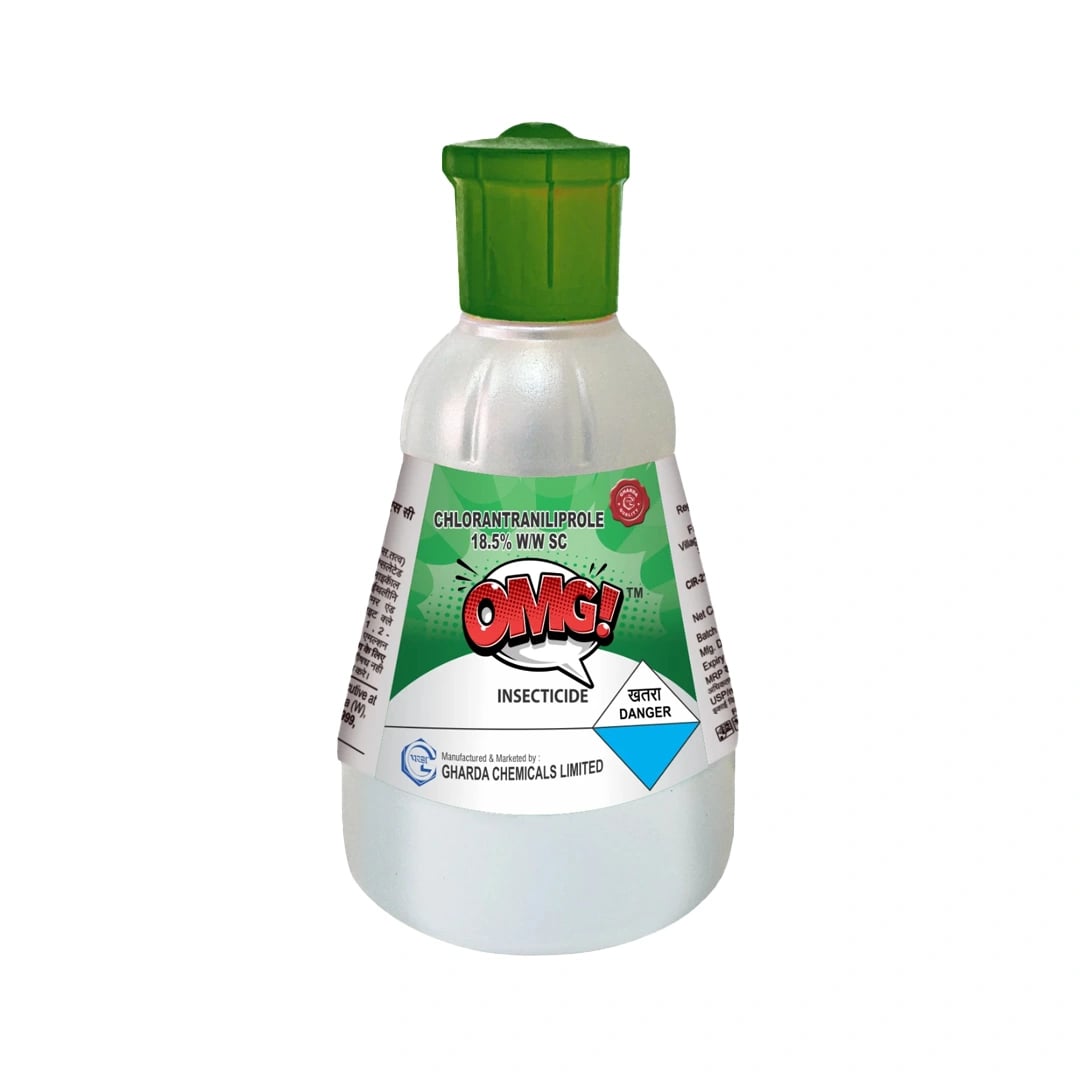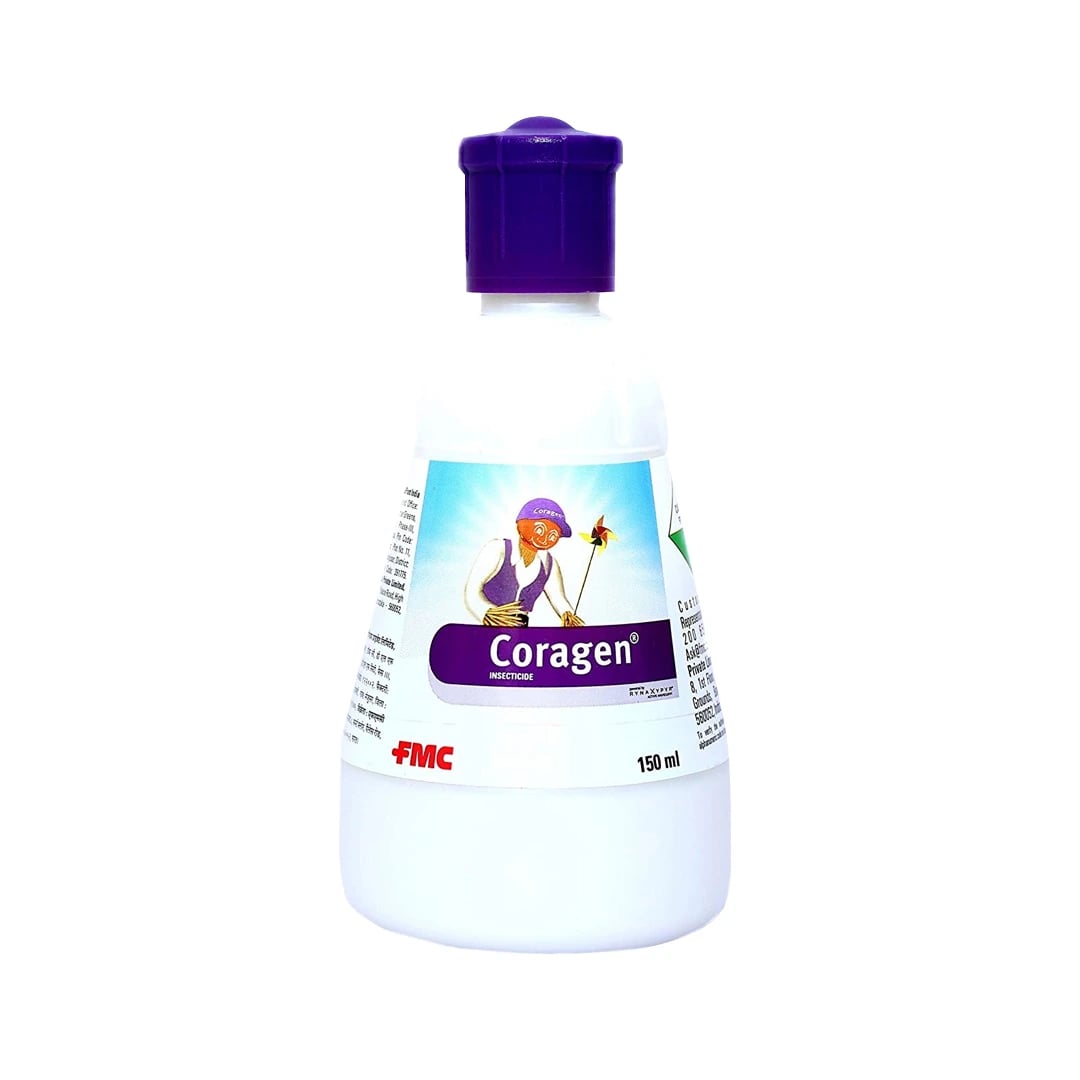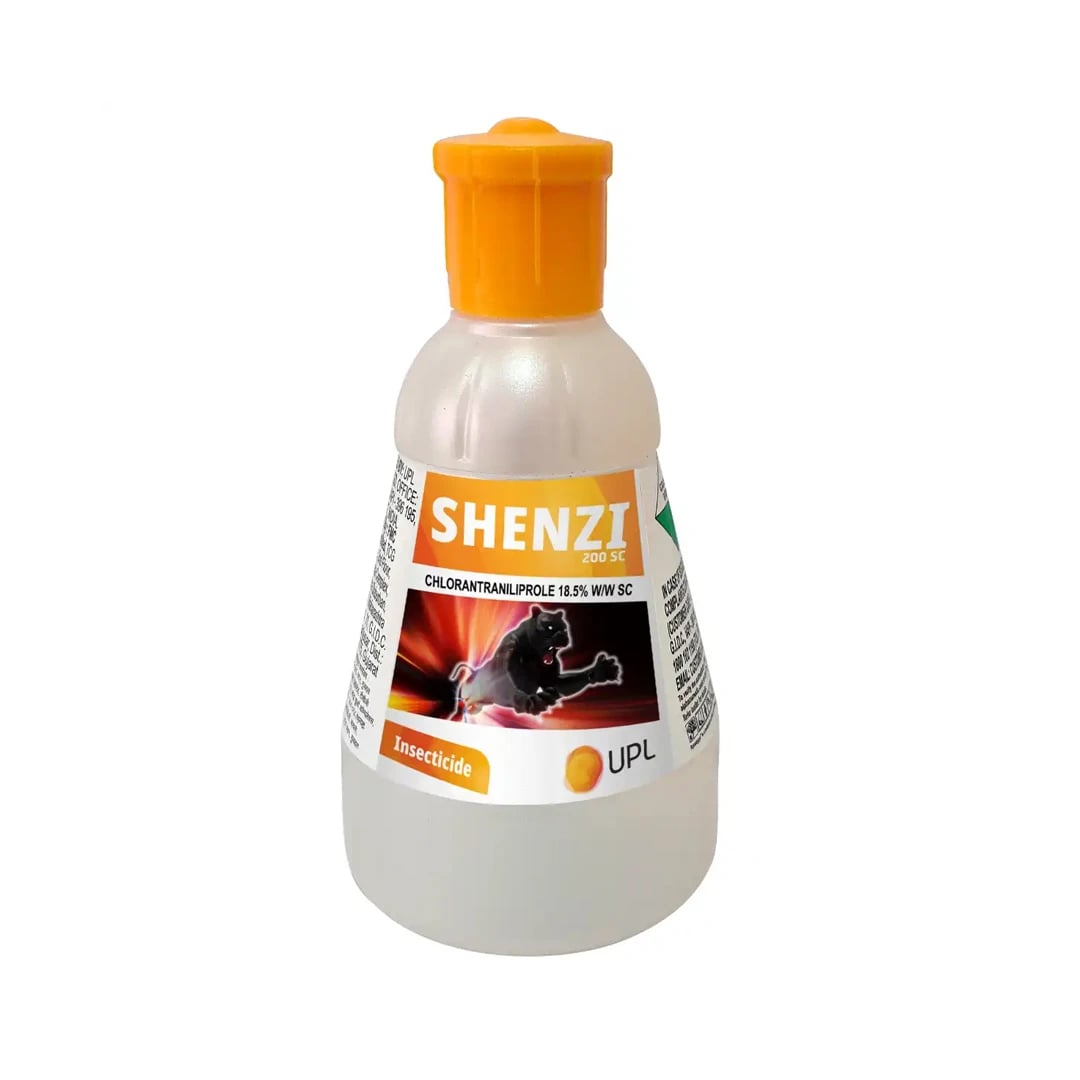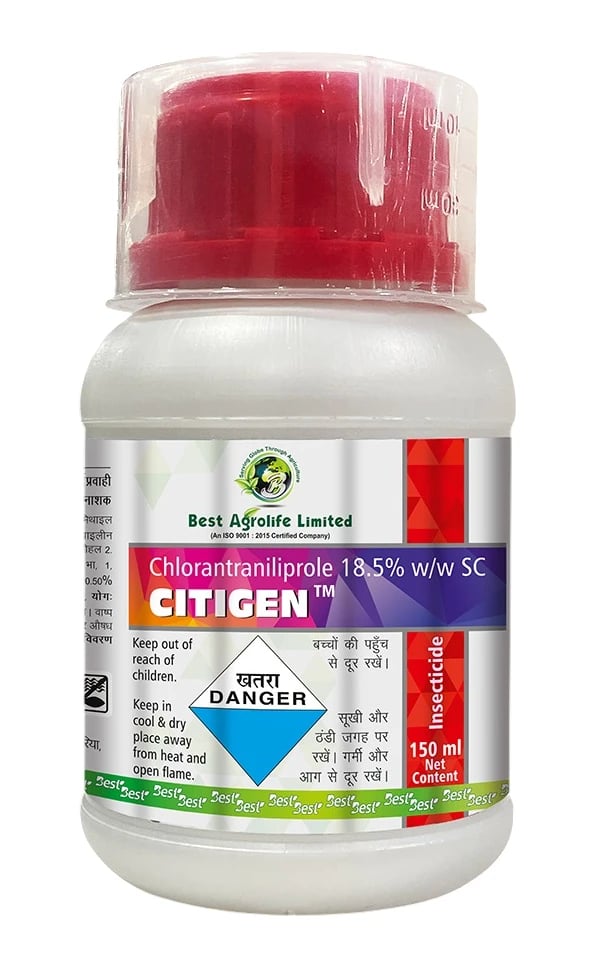
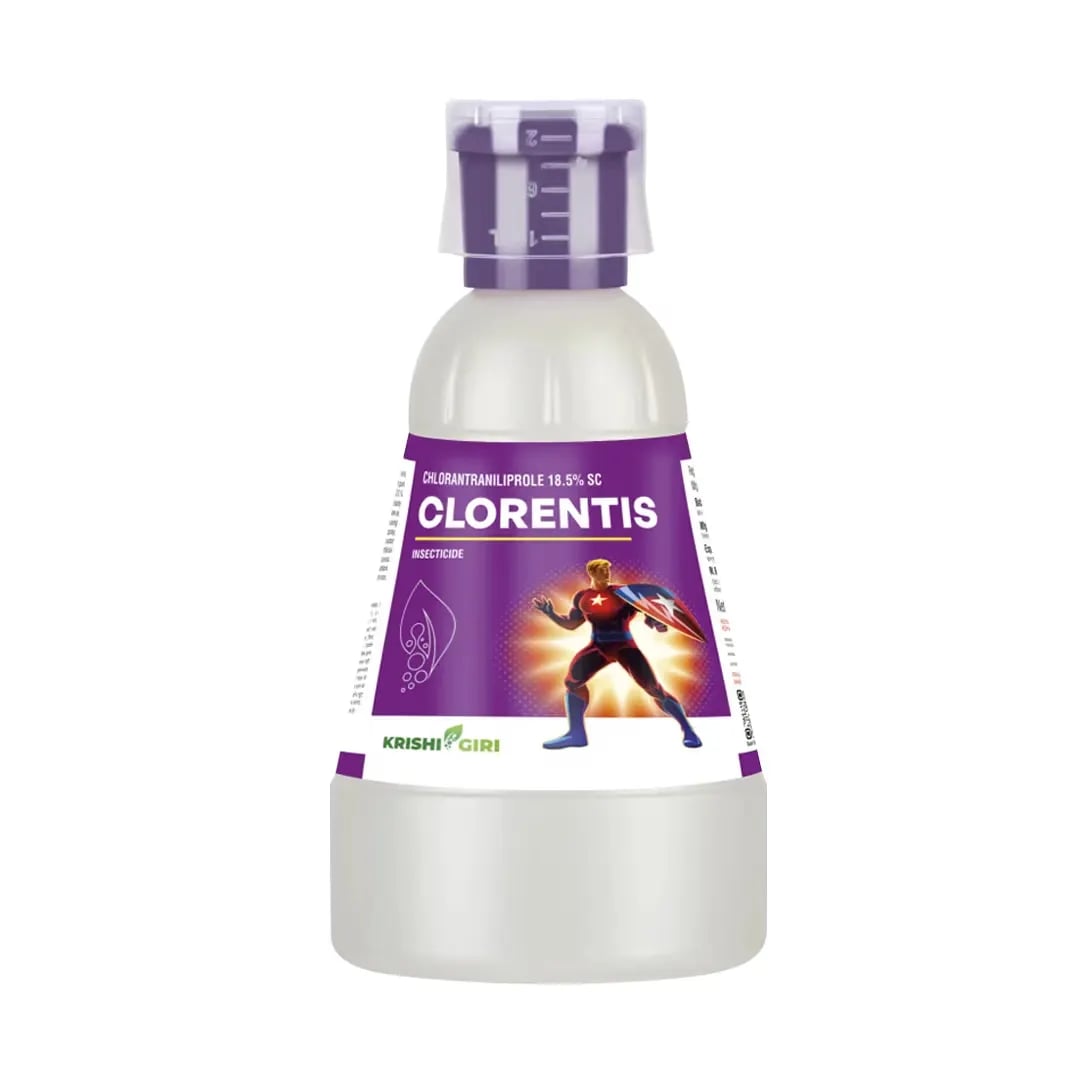
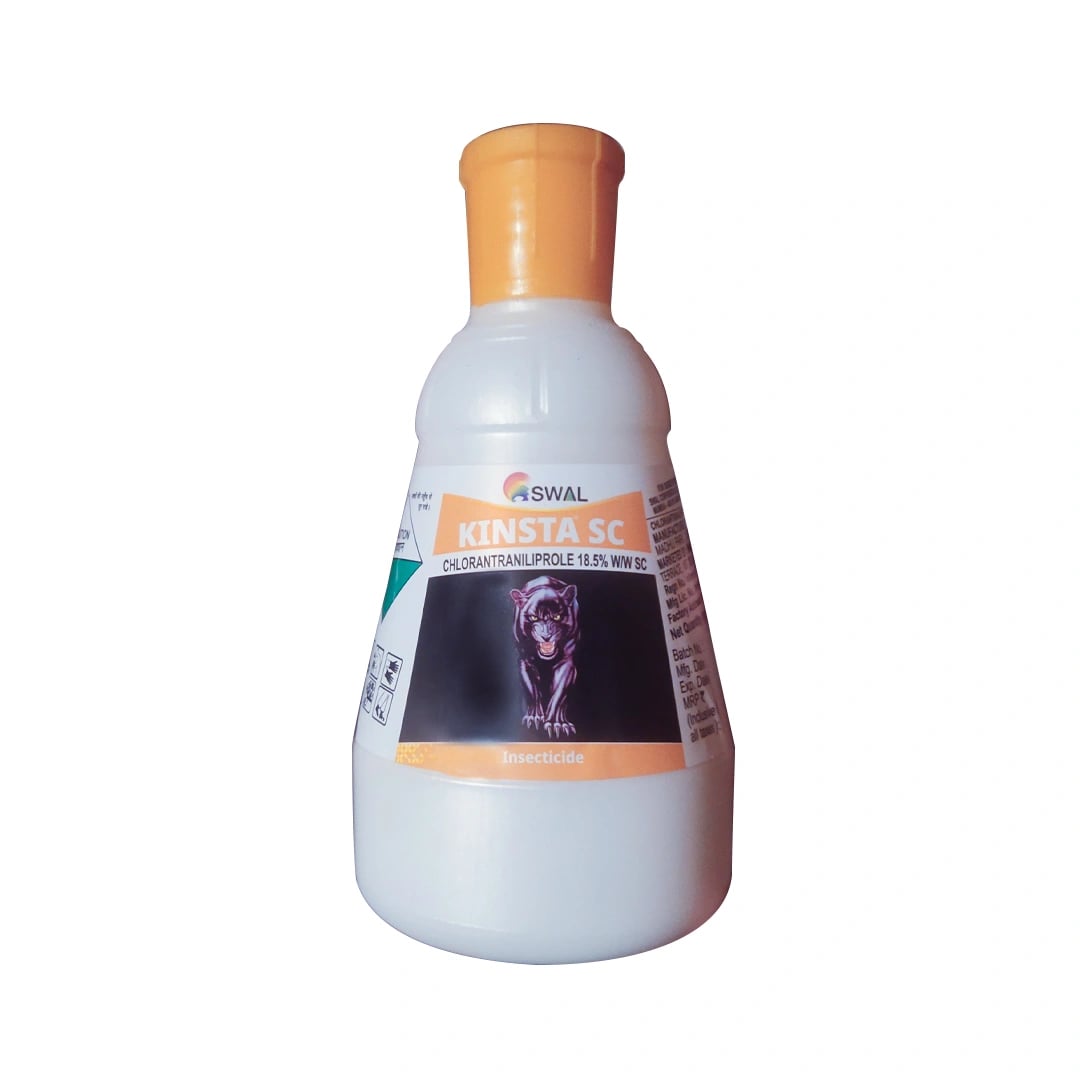
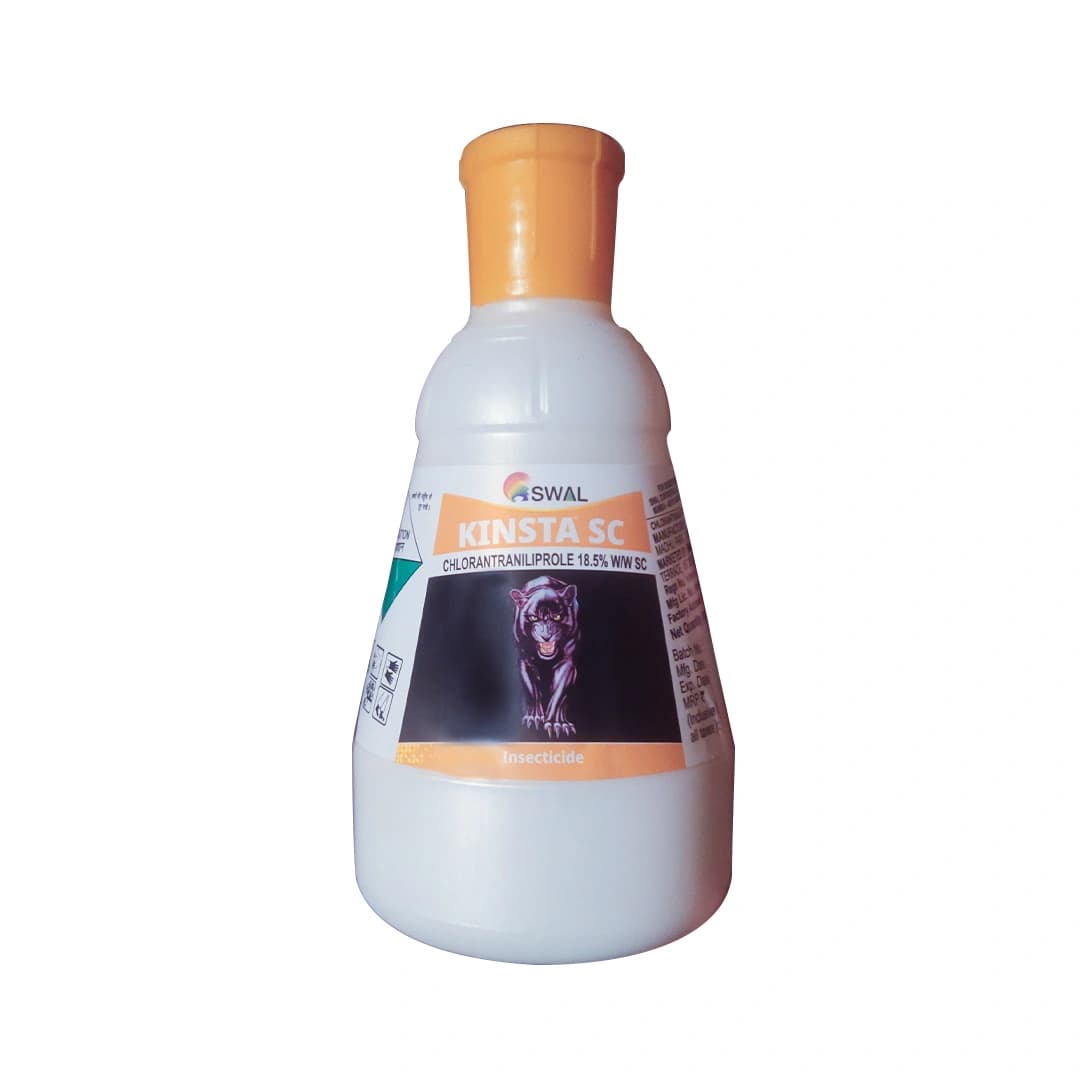
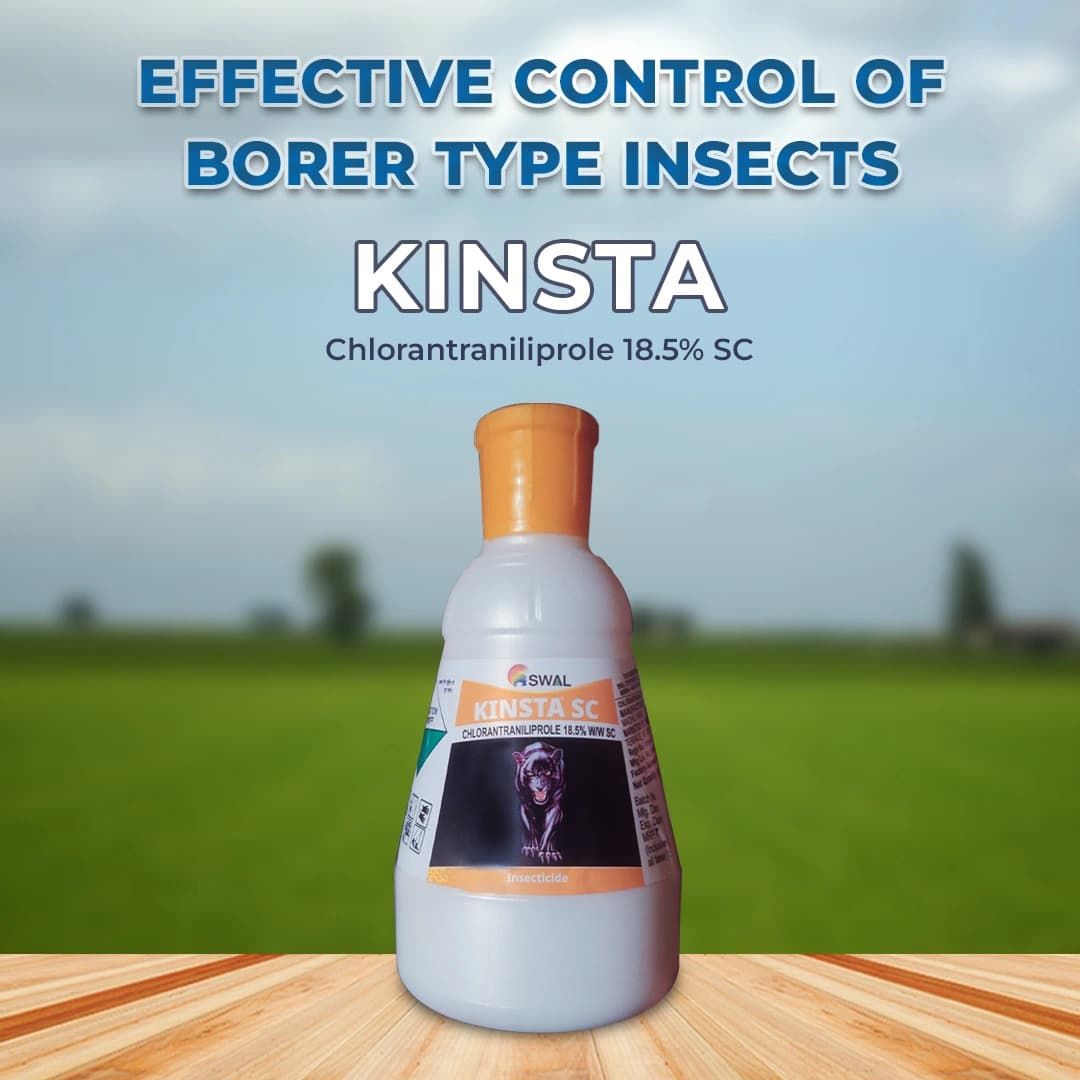
Krishigiri Clorentis Insecticide (Chlorantraniliprole 18.5% SC) Broad Spectrum Systemic And Contact Insecticide Controls Caterpillars, Borers, & Bollworms In Rice, Cotton, Sugarcane & Vegetables
₹250₹460
Save ₹21046% Off
🎉 You Save ₹1577 (72% OFF)
Buying In Bulk?
Get Special Pricing for large orders, contact us now!

| Brand: | SWAL CORPORATION LTD |
| Product Code: | 11149 |
| Country of Origin: | India |
| Category: | Crop Protection |
| Sub Category: | Insecticides |




Swal Kinsta is a powerful insecticide that controls sucking and chewing pests such as diamondback moth and stemfly through systemic and contact action. Swal Kinsta SC targets the nervous system of the insects, leading to paralysis or death. Swal SC insecticide is safe for natural predators, pollinators, and beneficial organisms, making it suitable for IPM (Integrated Pest Management) programs. Kinsta insecticide, which provides long-lasting protection to crops like sugarcane and okra with residual activity, ensures better health and productivity.
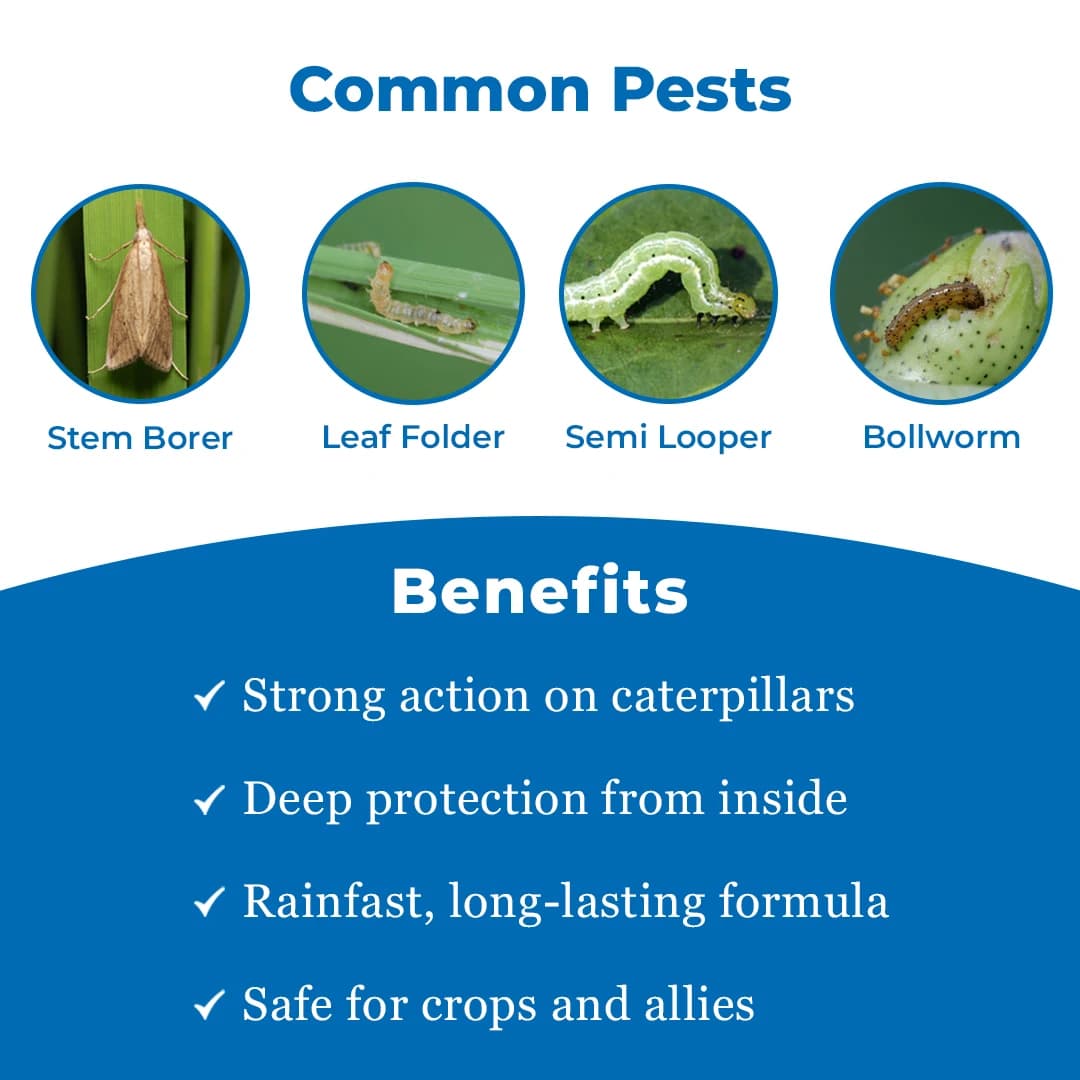
Broad-Spectrum Insecticide: Swal Kinsta insecticide is effective against Termites, Early Shoot Borer, Top Borer, diamondback moth, Stem Fly, and other pests.
Dual Action: Swal Kinsta SC insecticide works through systemic and contact action and provides complete pest control.
Rainfast: It is effective on crops even after rain, reducing the need for reapplication.
Stops Feeding: Kinsta insecticide stops larvae feeding on leaves when they come in contact with the crops.
Long-lasting Protection: This insecticide provides extended protection to the crops and reduces the need for frequent applications.
Borers: Early Shoot Borer, Top Borer, Stem Borer, Fruit and Shoot Borer, Fruit Borer, Pink Stem Borer, Spotted Stem Borer
Caterpillars: Tobacco Caterpillar, Leaf Caterpillar, Diamond Back Moth, Fall Armyworm, Green Semi Looper
Bollworms: American Bollworm, Spotted Bollworm
Other Pests: Termites, Girdle Beetle, Stem Fly, Pod Borer, Pod Fly, Gram Pod Borer, Leaf Folder
Dilute Kinsta insecticide in 200 liters of water per acre for foliar spray. Use at the early larval stage or at the first sign of pest infestation for the fastest and most complete control.
Crop | Target Pest | Dose / Acre | Per 15L Pump | PHI |
|---|---|---|---|---|
Rice / Paddy | Stem Borer, Leaf Folder | 60 ml | 4.5 ml | 47 days |
Sugarcane | Early Shoot Borer, Top Borer, Termites | 150–250 ml | 11–19 ml | Not confirmed |
Cotton | American Bollworm, Tobacco Caterpillar | 60–80 ml | 4.5–6 ml | 14 days |
Maize | Stem Borer, Fall Armyworm | 60 ml | 4.5 ml | 14 days |
Cabbage | Diamond Back Moth, Caterpillars | 60 ml | 4.5 ml | 7 days |
Tomato | Fruit Borer, Tobacco Caterpillar | 60 ml | 4.5 ml | 5 days |
Chilli | Fruit Borer | 60 ml | 4.5 ml | 3 days |
Soybean | Stem Fly, Girdle Beetle, Green Semi Looper | 60 ml | 4.5 ml | 22 days |
Brinjal | Fruit and Shoot Borer | 60 ml | 4.5 ml | 5 days |
Bengal Gram | Gram Pod Borer, Pod Fly | 60 ml | 4.5 ml | 14 days |
Pigeon Pea | Pod Borer, Leaf Caterpillar | 60 ml | 4.5 ml | 15 days |
Bitter Gourd | Fruit Borer | 60 ml | 4.5 ml | 5 days |
Okra | Fruit Borer | 60 ml | 4.5 ml | 5 days |
Groundnut | Pod Borer, Leaf Eating Caterpillar | 60 ml | 4.5 ml | 15 days |
Note: Never exceed the recommended dose.
Shake the Swal Kinsta SC bottle well before measuring — SC formulations settle during storage.
Measure the exact required quantity of Kinsta insecticide carefully into a clean measuring cup.
Add to a sprayer tank filled to one-third capacity with clean water and top up with the remaining water while stirring.
The suspension should be completely uniform with no visible streaks before beginning to spray.
Cover all plant surfaces systematically — both sides of every leaf, stems, and growing tips, where larvae concentrate.
Direct the nozzle into the plant canopy and towards stem bases and fruit attachment points where borers shelter.
Rinse the sprayer with two rounds of clean water after every use before storing.
Spray Swal Kinsta SC in the early morning or late evening when temperatures are cool, and caterpillars are most active on plant surfaces — avoid peak heat hours to prevent evaporation and maximize coverage.
Frequency of Application: Begin at the first sign of larval activity. A second spray may be given 14 to 21 days later if pest pressure remains high. Limit to 2 applications per season — rotate with other insecticide groups to prevent resistance.
Re-Entry Period: Farm workers must stay out of treated fields for at least 24 hours after spraying without full protective gear.
Tank-mix Compatibility: Compatible with most standard fungicides and insecticides. Always run a jar test before combining two products. Avoid mixing with alkaline solutions.
Always wear gloves, safety goggles, and a protective mask before measuring or handling this product.
Never eat, drink, or smoke while mixing or spraying.
Wash all exposed skin and hands thoroughly with soap and water after finishing.
Keep children, pets, and livestock well away from treated areas for at least 24 hours.
Toxic to bees — do not spray during or near the flowering stage.
Keep all spray away from ponds, rivers, and open water bodies.
Triple rinse all empty containers, puncture, and dispose as per local waste regulations.
Store Swal Kinsta SC in the original sealed container in a cool, dry, well-ventilated area away from direct sunlight and heat.
Never store near food, animal feed, drinking water, or seeds.
Keep completely out of reach of children and farm animals at all times.
Storage Temperature: Below 35°C
Shelf Life: 2 years from the date of manufacture.
Specifications | Details |
|---|---|
Product Name | Swal Kinsta SC Insecticide |
Technical Name | |
Formulation Type | Suspension Concentrate (SC) |
Chemical Group | Anthranilic Diamide |
Mode of Action | Ryanodine Receptor Activator — Systemic + Contact + Translaminar |
IRAC Group | 28 |
Label | Green Label |
Brand | SWAL Corporation Ltd. |
Pack Sizes Available | 30 ml, 60 ml, 150 ml |
Country of Origin | India |
Shelf Life | 2 years from the date of manufacture |
Pre-Harvest Interval | 3–47 days (crop specific) |
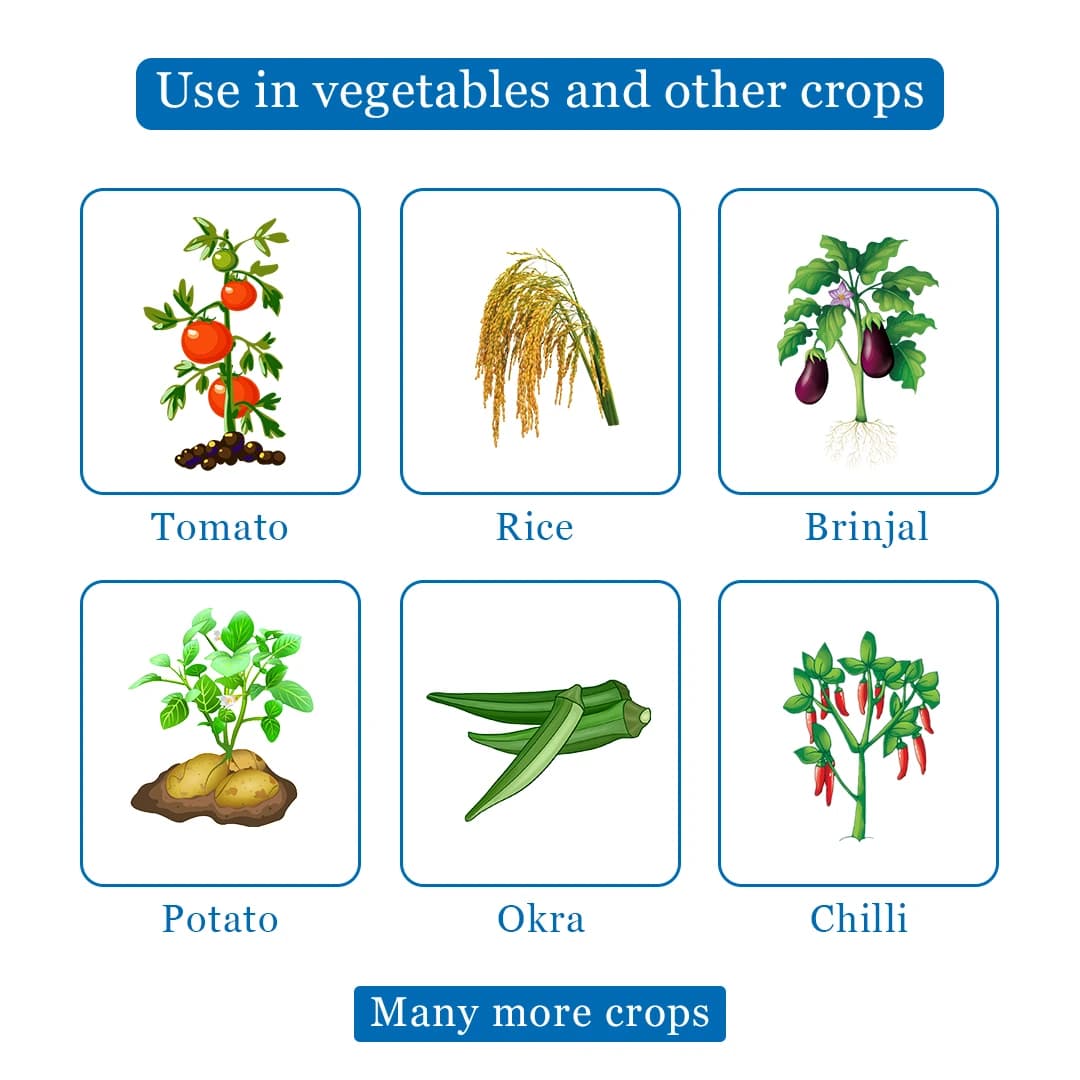
Kinsta insecticide controls Stem Borers, Bollworms, Fall Armyworm, Fruit Borers, Pod Borers, Diamond Back Moth, Tobacco Caterpillar, and other chewing pests across Rice, Sugarcane, Cotton, Maize, Cabbage, Tomato, Chilli, Soybean, Brinjal, and all registered crops.
Kinsta insecticide targets ryanodine receptors found specifically in insect muscle cells — these receptors are different from those in mammals and other vertebrates. This high target specificity means Swal Kinsta SC causes minimal harm to natural predators, parasitoids, and pollinators when used correctly.
The Green Label is a Government of India classification for pesticides with the lowest toxicity category — confirming that Swal Kinsta SC is one of the safest insecticides available for farmers, farm workers, and the environment when used at recommended doses.
A single well-timed spray provides significantly longer residual protection than most conventional insecticides — reducing the number of applications needed per season and lowering the overall cost of pest management per acre.
Early morning or late evening when temperatures are cool, and caterpillars are most active on plant surfaces — use at the early larval stage when young larvae are most vulnerable to Kinsta insecticide for maximum effectiveness and longest residual control.