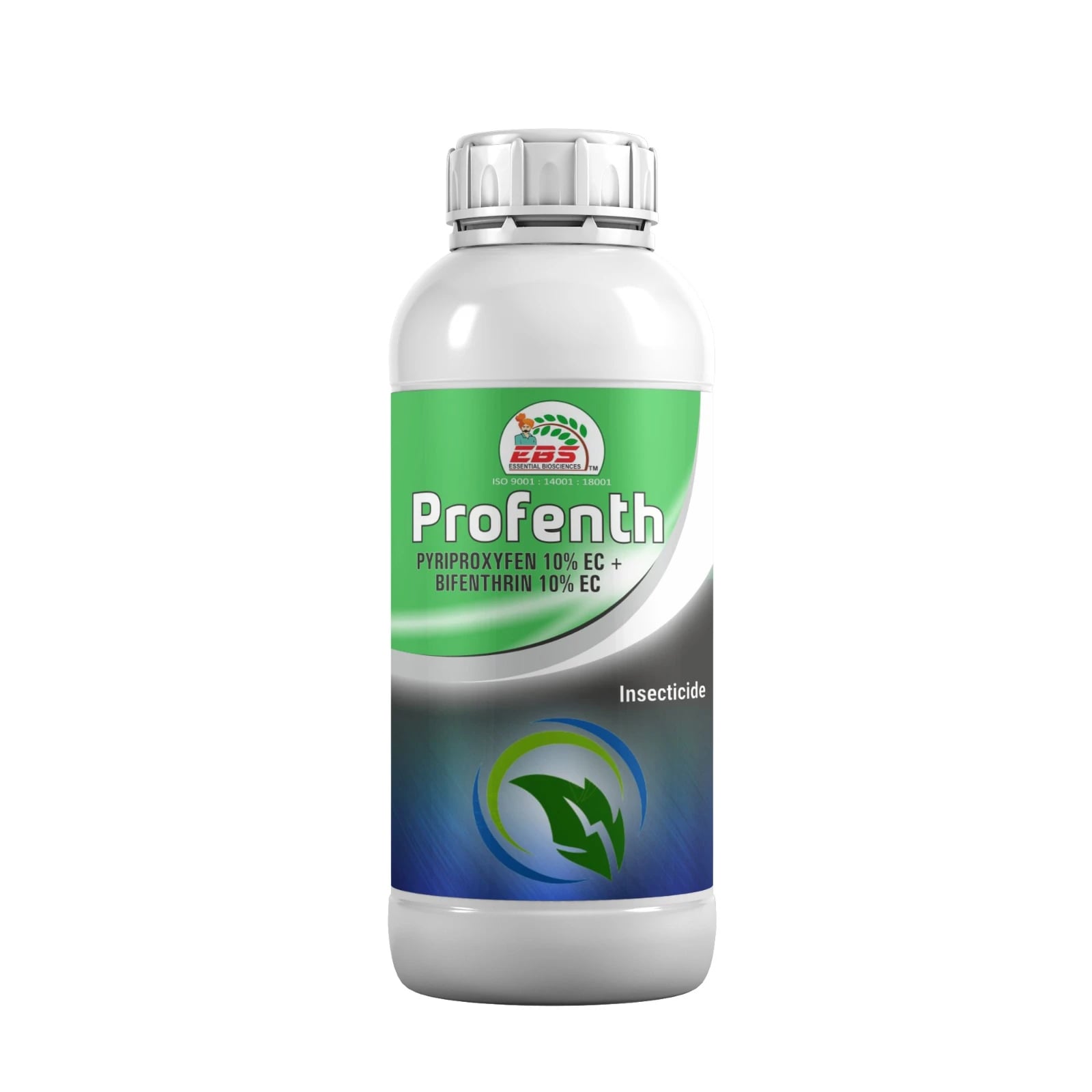
EBS Profenth Insecticide
₹775₹1200
Save ₹42536% Off
🎉 You Save ₹248 (35% OFF)
Buying In Bulk?
Get Special Pricing for large orders, contact us now!
| Brand: | Parijat Industries (India) Private Limited |
| Product Code: | 10476 |
| Country of Origin: | India |
| Category: | Crop Protection |
| Sub Category: | Insecticides |




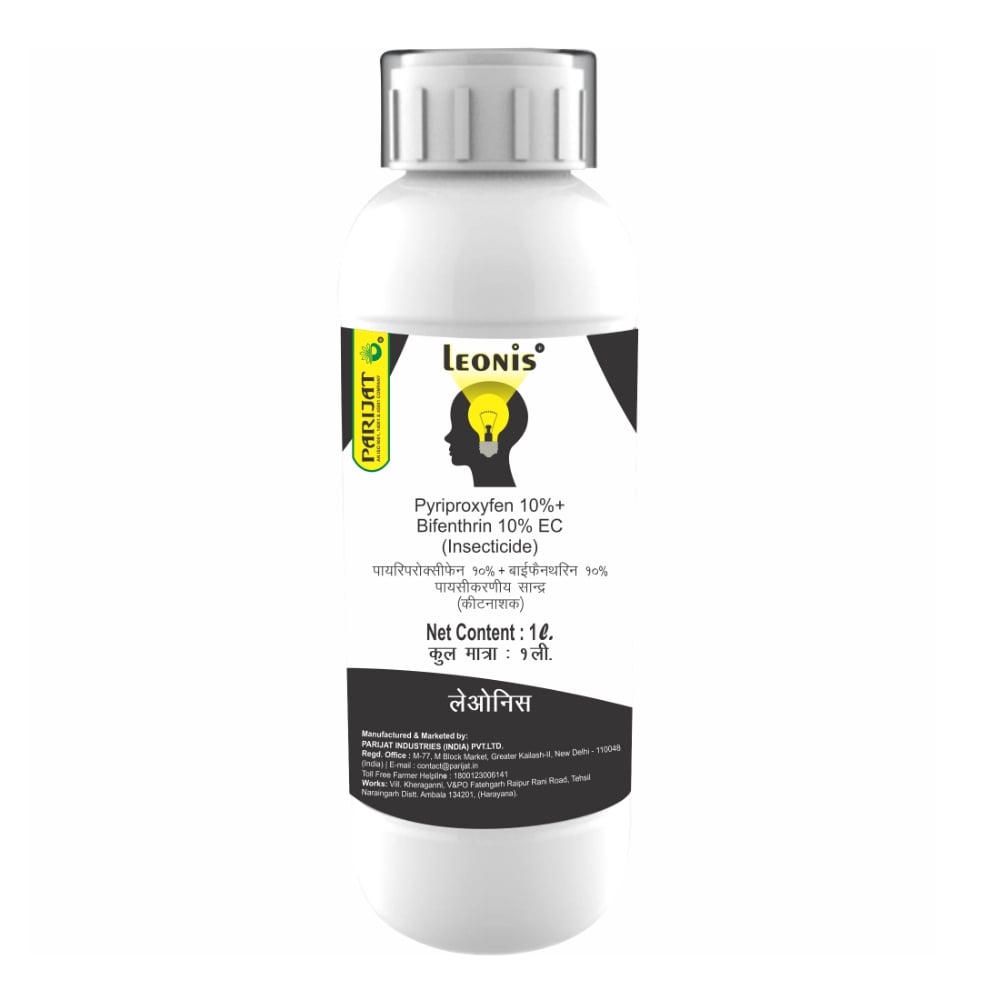
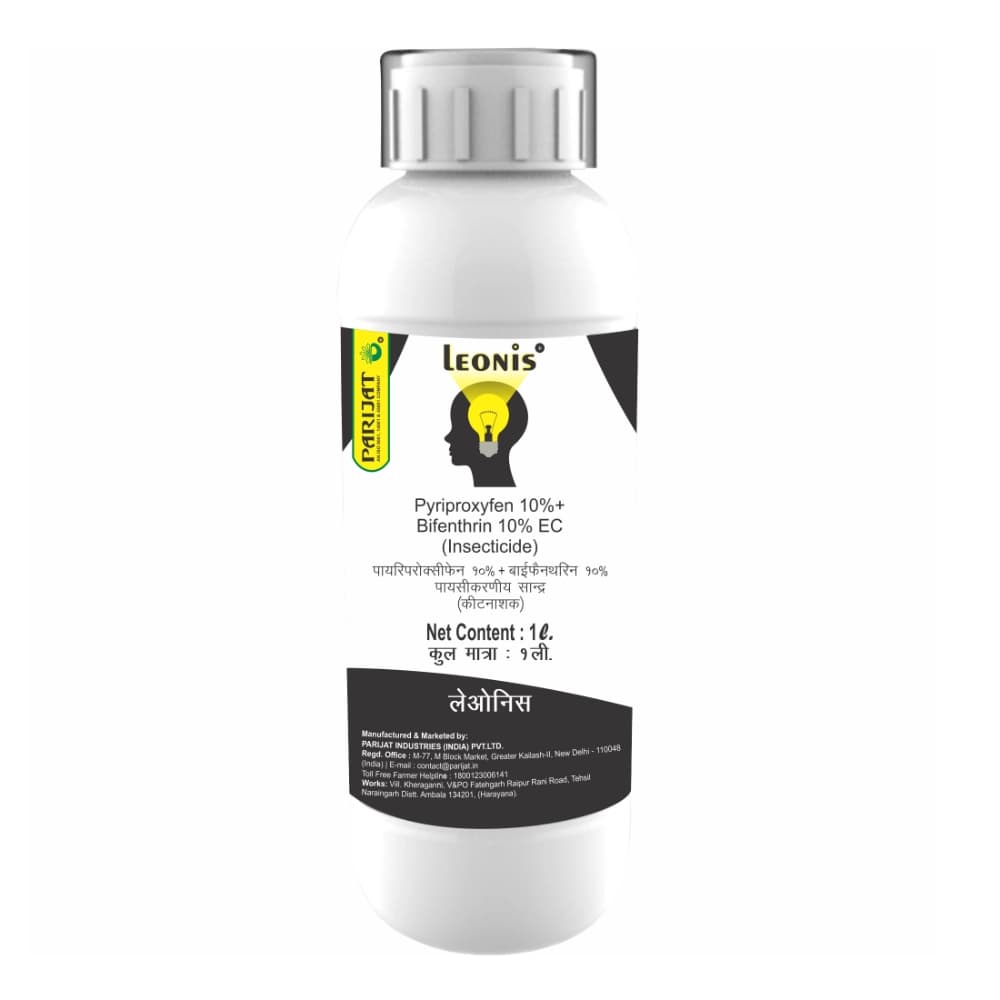
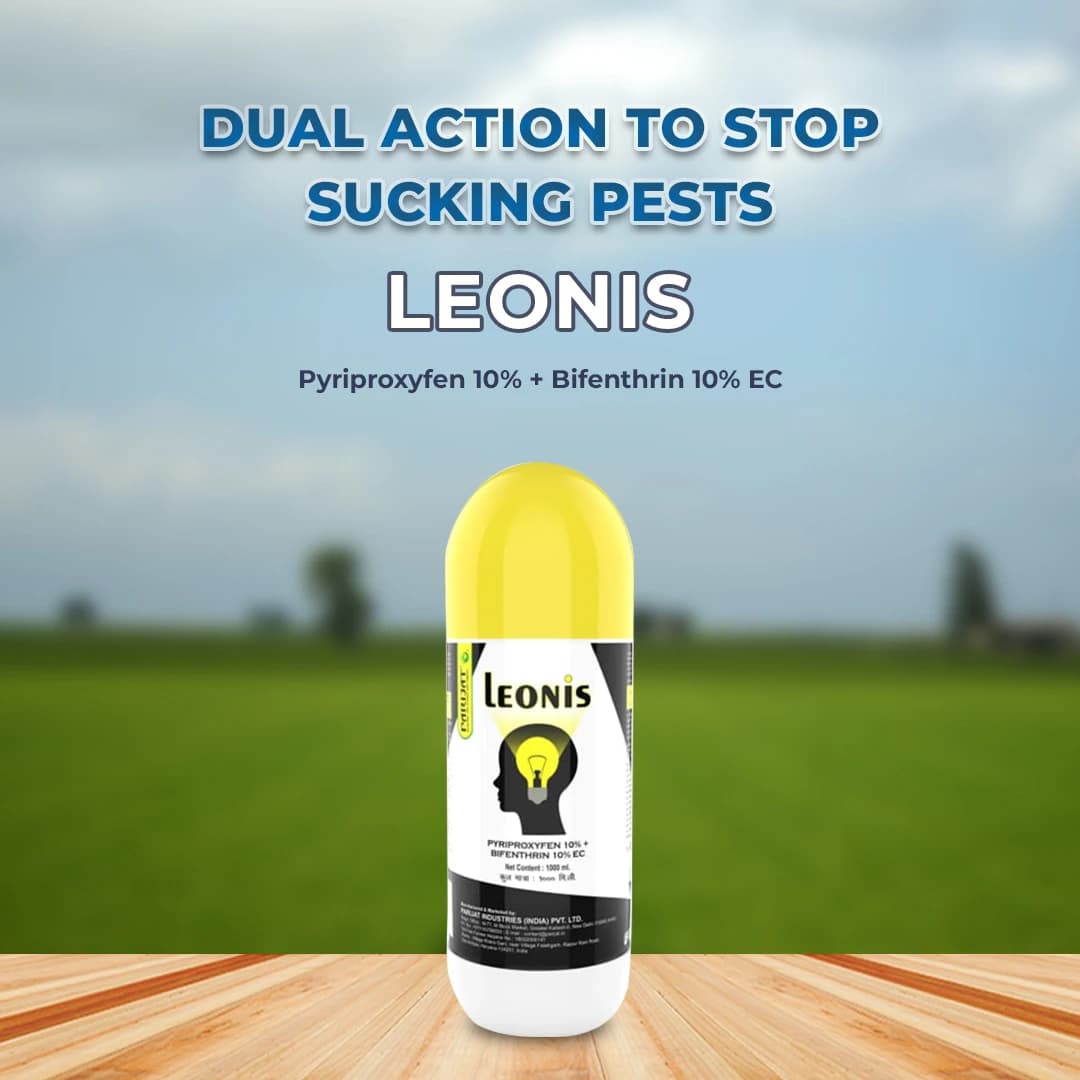
Parijat Leonis is a strong insecticide that is effective against pests like whiteflies. The Parijat insecticide offers contact and stomach modes of action as it interferes with sodium channel gating in the nerves, resulting in paralysis or death of the pests. This insecticide provides quick relief to cotton crops and ensures long-lasting protection. This insecticide has low toxicity, making it suitable for IPM (Integrated Pest Management) techniques due to its low chemical impact, providing various economic and environmental benefits.
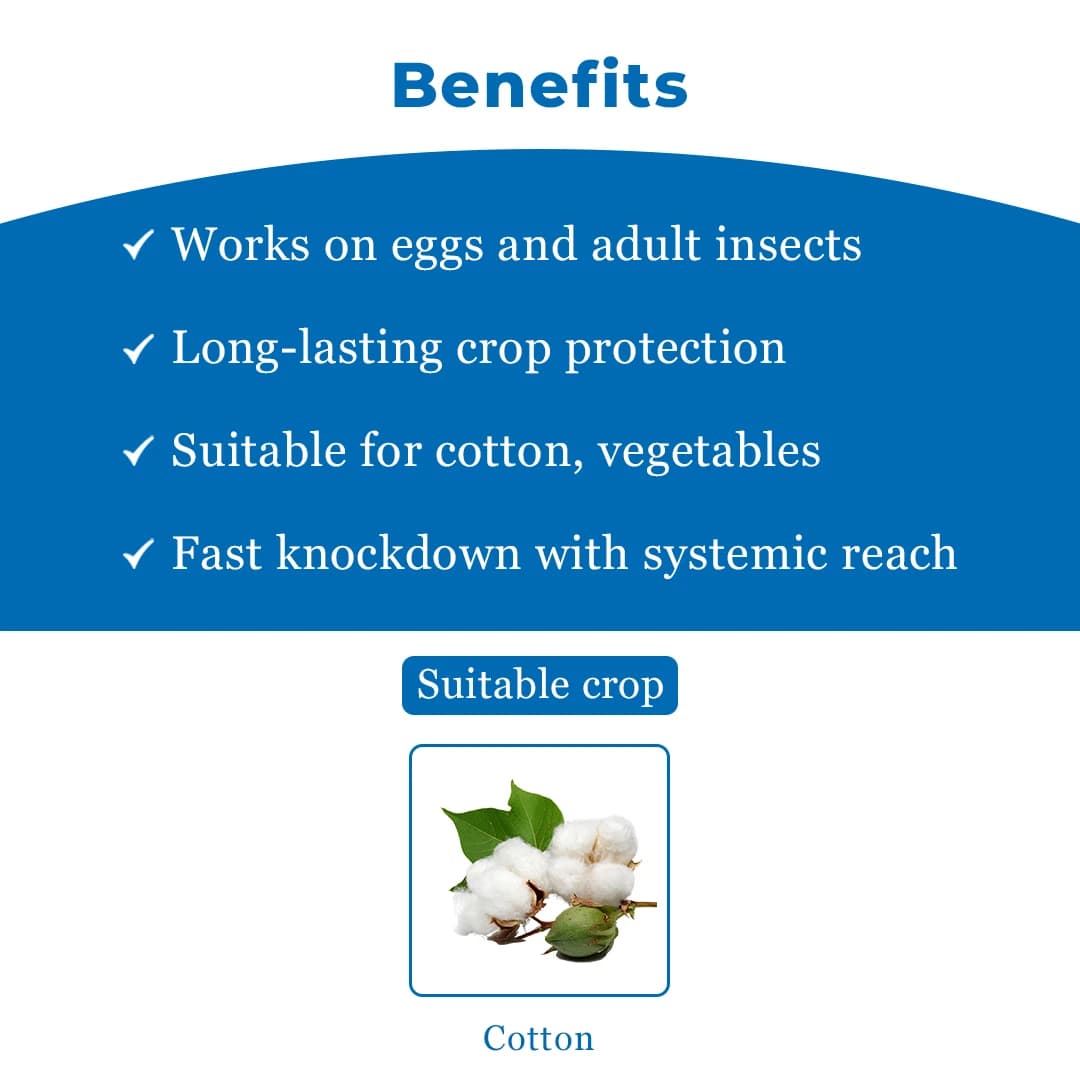
Targeted Control: Parijat Leonis helps manage whitefly eggs, nymphs, and adults in cotton.
Translaminar Activity: Parijat Leonis can reach pests present on the lower leaf surface after proper spray coverage.
Quick Action: Leonis insecticide helps reduce pest movement and feeding after contact with treated crop parts.
IPM Suitable: The product can be used in a planned cotton pest-management program when used carefully.
Cotton Whitefly: Parijat Leonis helps control whitefly populations that damage cotton leaves and weaken crop growth.
Egg Stage: Leonis insecticide helps disturb whitefly egg hatching and reduces fresh pest buildup.
Nymph Stage: Parijat Leonis helps control young whitefly stages present on the lower side of leaves.
Adult Stage: Leonis insecticide gives knockdown support against adult whiteflies feeding on cotton plants.
Sooty Mould Pressure: The product helps reduce honeydew-producing whitefly activity, which can lower sooty mould development.
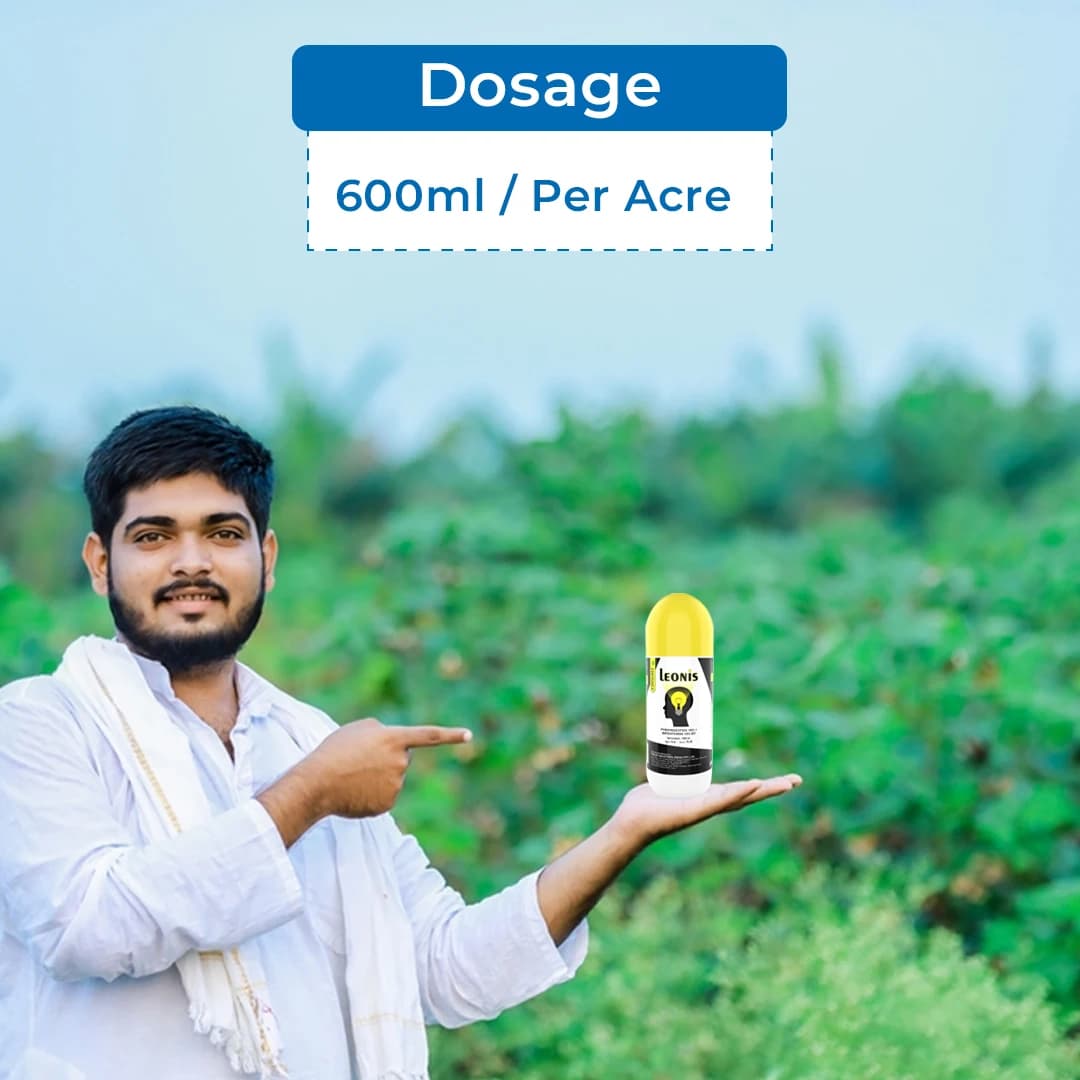
Use the product as a foliar spray in cotton with clean water. Leonis Insecticide Dosage is 2 ml per litre of water, 30 ml per 15-litre spray pump, or about 300 ml per acre. Leonis insecticide should be sprayed evenly on the crop canopy, especially on the lower side of leaves where whiteflies usually stay.
Crop | Target Pest | Dose per Acre | Application Method | PHI |
|---|---|---|---|---|
Cotton | Whitefly eggs | 300 ml | Foliar spray with full leaf coverage | Follow label |
Cotton | Whitefly nymphs | 300 ml | Spray upper and lower leaf surfaces | Follow label |
Cotton | Adult whiteflies | 300 ml | Foliar spray at early pest activity | Follow label |
Cotton | Mixed whitefly stages | 300 ml | Uniform canopy spray with clean water | Follow label |
Cotton | Whitefly-related sooty mould pressure | 300 ml | Spray when whitefly population begins | Follow label |
Measure the required Parijat Leonis quantity as per acre area and pest pressure.
Fill the spray tank halfway with clean water.
Mix the measured Leonis insecticide quantity in a small amount of water first.
Add the prepared Parijat Leonis solution into the main spray tank.
Add the remaining water and stir the mixture properly.
Spray Leonis insecticide uniformly on cotton crop leaves.
Cover lower leaf surfaces because whiteflies mostly remain under leaves.
Apply the product when whitefly population starts appearing in the field.
Use Leonis insecticide before pest pressure reaches a heavy level.
Avoid spraying during strong wind, rainfall, or very hot afternoon weather.
Use the prepared spray solution on the same day.
Apply the product when whitefly activity is first noticed in cotton or before the pest reaches the economic threshold level. Leonis insecticide performs better when eggs, nymphs, and adults are present at early to moderate levels. Morning or evening spraying is better because leaf coverage is more stable and crop stress is lower. The product should not be sprayed on wilted, waterlogged, or severely stressed crops. Timely spray is important because whitefly multiplies fast in warm field conditions.
Frequency of Application: One timely Leonis insecticide spray can help manage early whitefly pressure. Repeat Parijat Leonis only if pest activity continues and label guidance allows it.
Re-Entry Period: Do not enter the treated field for at least 24 hours after Leonis insecticide application without protective gear.
Compatibility: Parijat Leonis should not be mixed with unknown pesticides, fertilizers, micronutrients, or alkaline products without a jar test.
Application Care: Leonis insecticide gives better results when the lower leaf surface receives enough spray.
Resistance Care: Rotate Parijat Leonis with other suitable insecticide groups and avoid repeated use of the same chemistry in every spray cycle.
Read the product label carefully before using Parijat Leonis.
Wear gloves, mask, goggles, long sleeves, and protective footwear while handling Leonis insecticide.
Do not eat, drink, smoke, or chew anything during application.
Avoid direct contact with skin, eyes, and mouth.
Do not inhale spray mist or vapour while applying Parijat Leonis.
Keep Leonis insecticide away from ponds, canals, wells, drinking water, and fish farms.
Avoid spraying Parijat Leonis when bees and beneficial insects are actively moving in the crop.
Do not exceed the recommended dose of Leonis insecticide.
Wash hands, face, and exposed skin properly after spraying.
Keep children, animals, and unprotected workers away until the spray dries.
Store Parijat Leonis in its original sealed bottle.
Keep Leonis insecticide in a cool, dry, shaded, and well-ventilated place.
Keep Parijat Leonis away from direct sunlight, moisture, heat, sparks, and open flame.
Store Leonis insecticide away from food, animal feed, drinking water, seeds, and household items.
Keep Parijat Leonis out of reach of children and farm animals.
Close the bottle tightly after use.
Do not store leftover mixed Leonis insecticide spray solution for later use.
Do not reuse empty bottles for household or farm storage.
Storage Temperature: Follow the storage instruction printed on the pack.
Shelf Life: Check pack label before use.
Specifications | Details |
|---|---|
Product Name | Parijat Leonis Insecticide |
Brand Name | Parijat Industries (India) Private Limited |
Leonis Technical Name | |
Formulation Type | EC - Emulsifiable Concentrate |
Chemical Group | Juvenile hormone mimic + synthetic pyrethroid |
Mode of Action | Insect growth regulation with contact and stomach action on whiteflies |
IRAC Group | Group 7C for Pyriproxyfen and Group 3A for Bifenthrin |
Recommended For | Cotton |
Pack Sizes Available | 100 ml, 250 ml, 500 ml |
Country of Origin | India |
Shelf Life | Check pack label |
Pre-Harvest Interval | Follow crop-wise label guidance |
Application Method | Foliar spray |
Recommended Dose | 2 ml per litre, 30 ml per 15-litre pump, or 300 ml per acre |
Target Pests | Whitefly eggs, nymphs, and adults |
Product Category | Insecticide |