Swal Arryn Fungicide
₹1284₹1800
Save ₹51628% Off

🎉 You Save ₹239 (26% OFF)
Buying In Bulk?
Get Special Pricing for large orders, contact us now!

| Brand: | UPL Limited |
| Product Code: | 8879 |
| Country of Origin: | India |
| Category: | Crop Protection |
| Sub Category: | Fungicides |



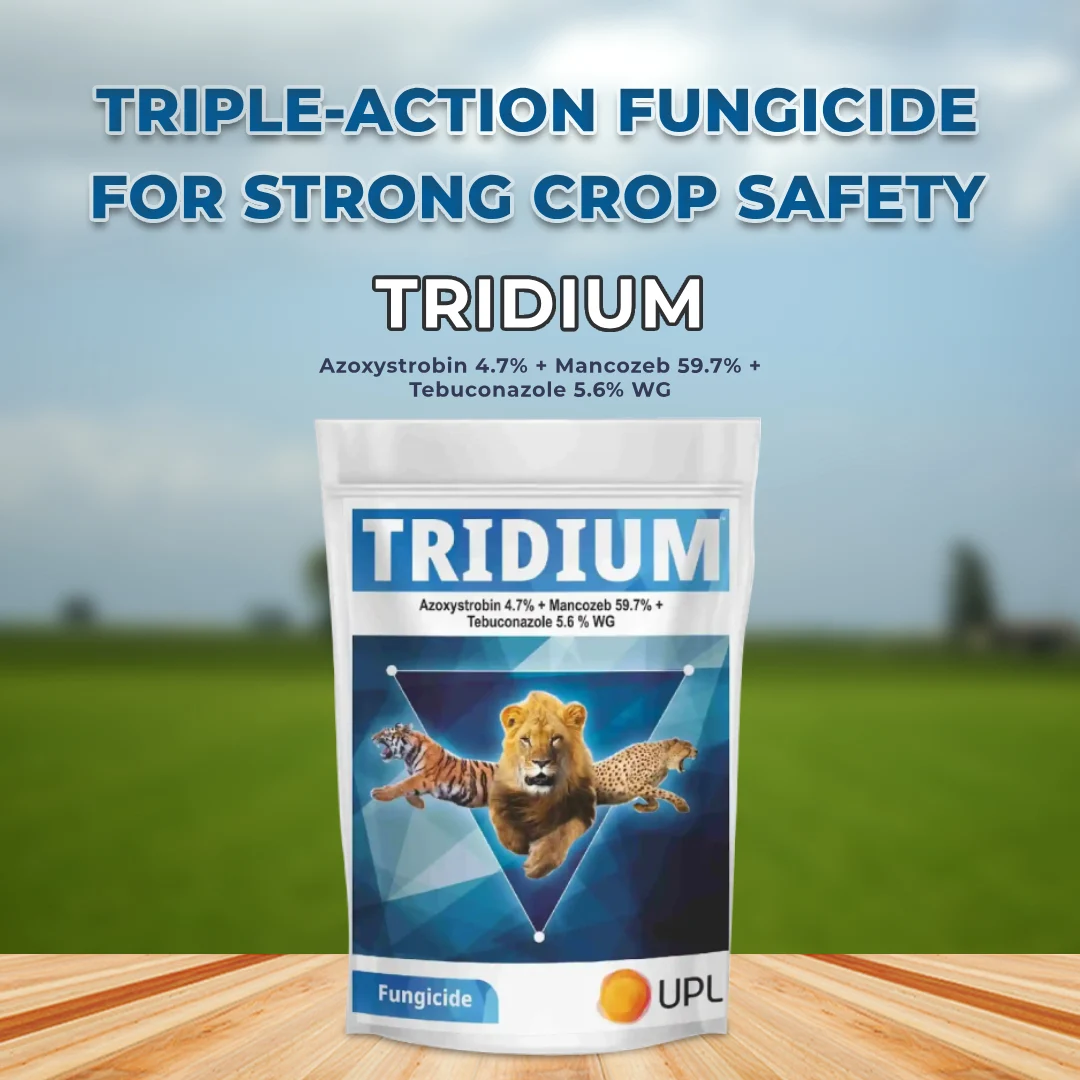
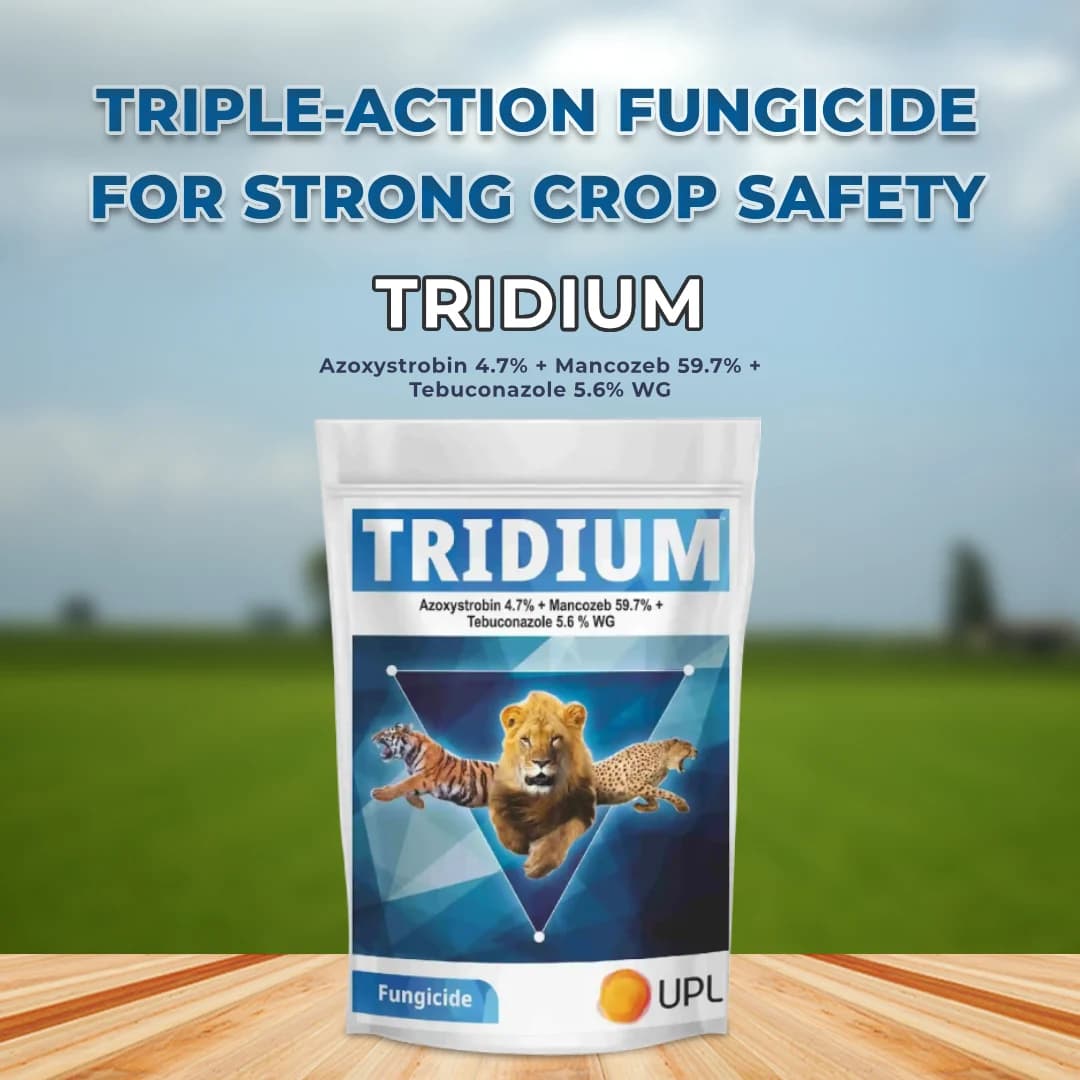
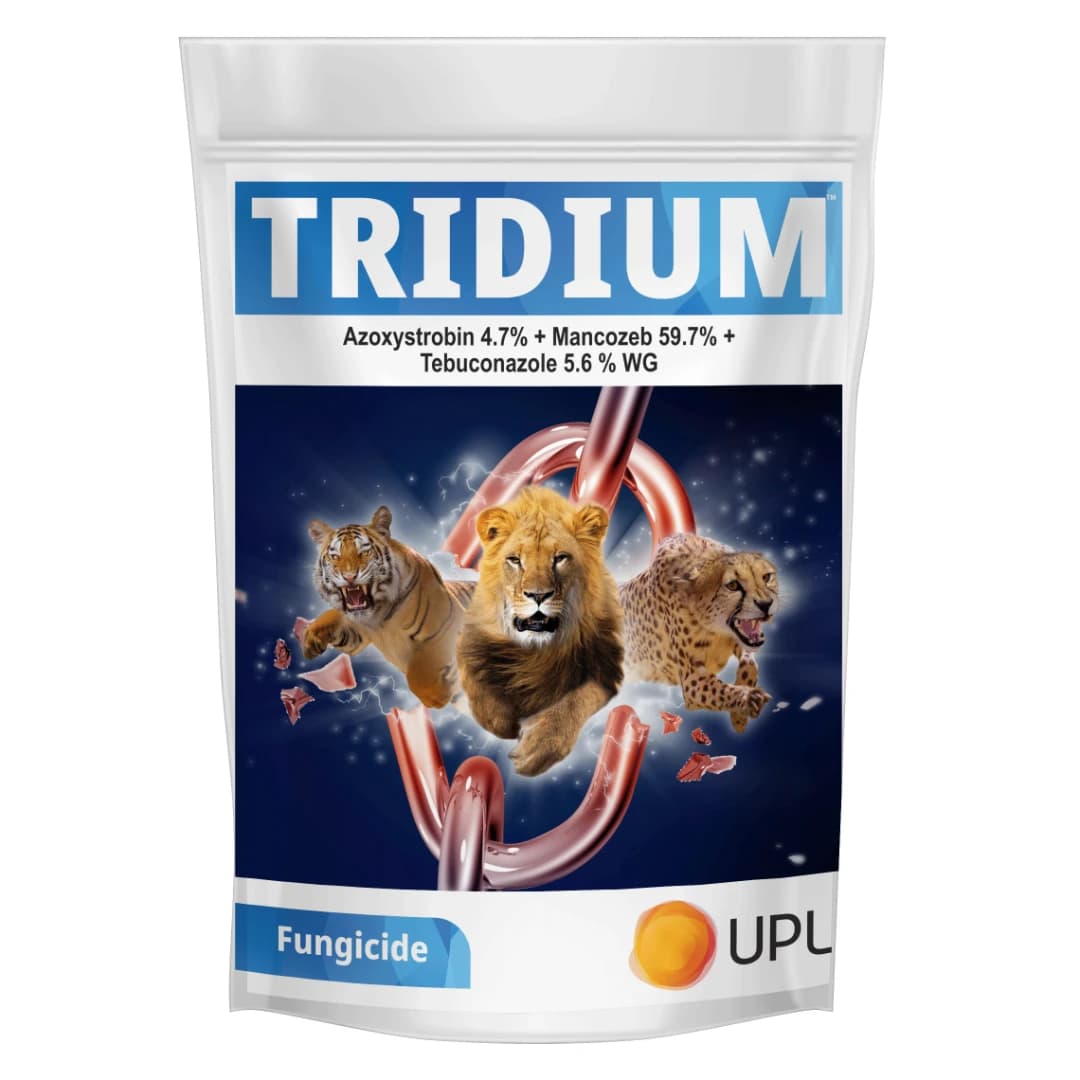
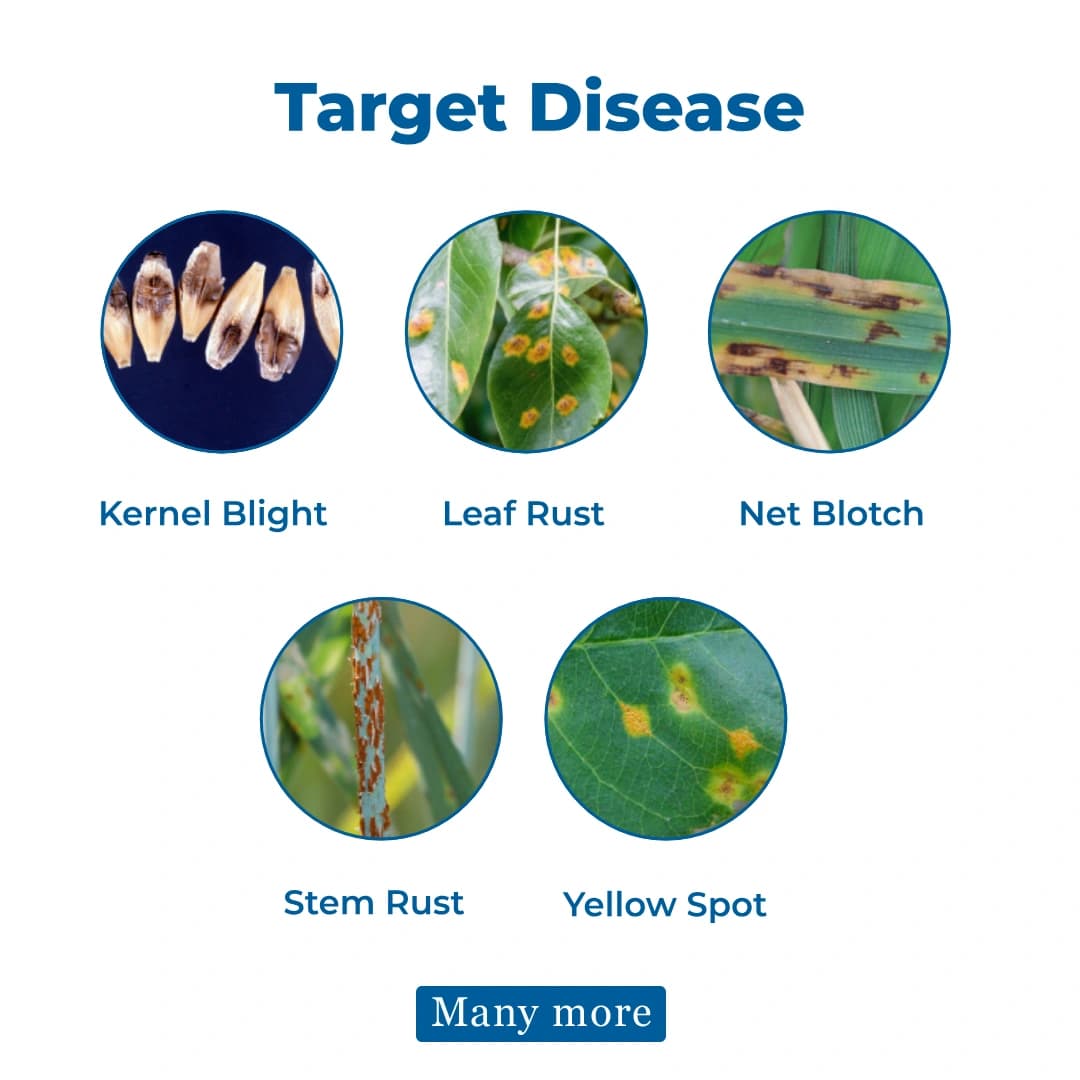
UPL Tridium is a 3-way combination fungicide that contains a triple combination that offers systemic and contact modes of action against fungal diseases like Net Blotch, Kernel Blight, and more. It works by blocking the transfer of electrons, preventing the fungi from producing the energy needed to grow, and disrupting several biochemical processes. The Tridium fungicide offers high resistance management in an easy-to-use formula, making it very beginner-friendly.
Controls Major Fungi: UPL Tridium gives excellent protection against major fungal diseases like powdery mildew, leaf spots, etc.
Resistance Management: The triple formula of the UPL Tridium makes it tough for the pathogens to develop resistance.
Quick Solubility: UPL Tridium fungicide mixes easily in water and offers uniform spread upon application for even application.
Dual Application: UPL Tridium fungicide can be used as a preventive and curative application, providing high versatility.
Safe to Use: The UPL Tridium fungicide can be used on all stages of disease development, making it very flexible to apply.
Tridium fungicide uses cover major fungal diseases across a wide range of crops:
Crop | Target Diseases |
|---|---|
Wheat | Leaf Rust, Stem Rust, Yellow Leaf Spot, Net Blotch, Kernel Blight |
Paddy / Rice | Blast, Sheath Blight, Brown Leaf Spot |
Cucumber / Vegetables | Powdery Mildew, Downy Mildew, Leaf Spot |
Pulses and Oilseeds | Anthracnose, Leaf Spot, Rust |
Fruits | Anthracnose, Powdery Mildew, Leaf Spot |
Plantation Crops | Leaf Spot, Rust, Blight |
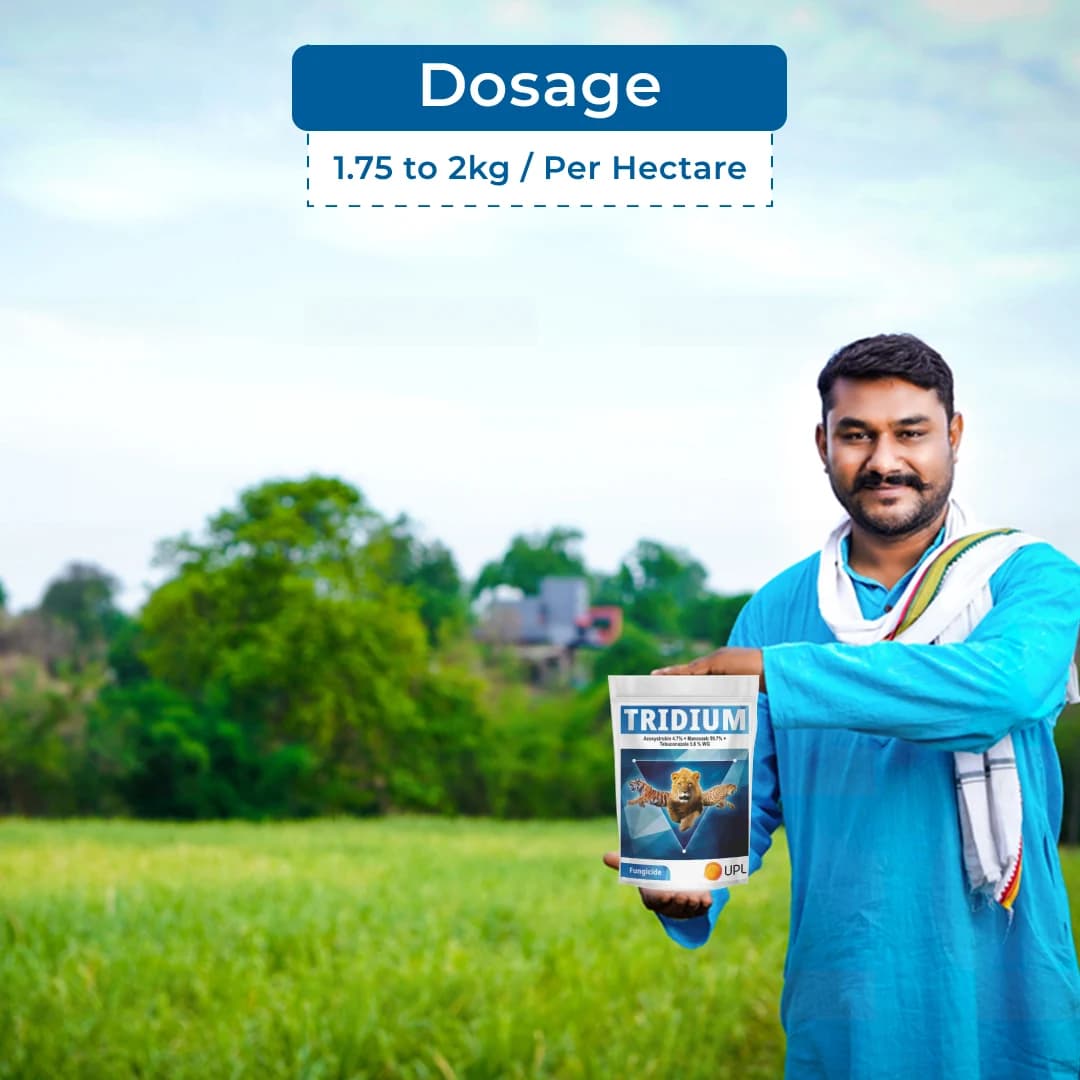
The Tridium fungicide Dose Per Litre is 2.8–3.2 gm per litre of water — equivalent to 700–800 gm per hectare (350–400 gm per acre) and 42–48 gm per 15L pump.
Crop | Target Disease | Dose Per Acre | Per 15L Pump | PHI |
|---|---|---|---|---|
Wheat | Leaf Rust, Net Blotch, Kernel Blight | 350–400 gm | 42–48 gm | 35 days |
Paddy | Blast, Sheath Blight | 350–400 gm | 42–48 gm | 21 days |
Vegetables (Cucumber, etc.) | Powdery Mildew, Downy Mildew | 350–400 gm | 42–48 gm | 7 days |
Fruits | Anthracnose, Leaf Spot | 350–400 gm | 42–48 gm | 14 days |
Measure the required dose of Tridium fungicide as per the crop-wise dose table above.
Pre-mix the measured granules in a small amount of clean water until fully dissolved before adding to the sprayer tank.
Fill the tank with the remaining clean water and mix thoroughly before spraying.
Spray uniformly on all plant parts — upper and lower leaf surfaces, stems, and panicles — for complete crop coverage.
Start application before the first signs of disease appear — preventive sprays during conditions that favour fungal infection give the strongest and most consistent results.
Spray during early morning or late evening — do not apply during the warmest hours of the day or in strong winds.
Rain within 24 hours of application may reduce effectiveness — check the weather before spraying UPL Tridium.
Rinse the sprayer thoroughly with clean water after every use.
Apply Tridium fungicide in the early morning or late evening. Begin preventive sprays before disease symptoms appear — especially during wet, humid, or cool weather when all major fungal classes are most active. For Wheat, spray at the flag-leaf stage for maximum rust and blight protection.
Frequency of Application: Apply every 14–21 days during active disease pressure. Do not exceed 3–4 applications per season. The triple FRAC group combination in UPL Tridium significantly reduces the need for FRAC group rotation between sprays — but always monitor for any signs of reduced efficacy and rotate if needed.
Re-Entry Period: Do not enter treated fields for at least 24 hours after spraying without proper protective gear. Chemical Toxicity: Blue Label.
Tank-Mix Compatibility: Tridium fungicide is compatible with most insecticides and fungicides. Avoid mixing with strongly alkaline products. Always perform a jar test before mixing with unfamiliar inputs.
Wear gloves, goggles, and a face mask before handling or spraying UPL Tridium.
Do not eat, drink, or smoke during mixing or application.
Avoid direct contact with skin and eyes — rinse immediately with clean water for 15 minutes if contact occurs.
Keep children, pets, and livestock away from treated fields for at least 24 hours.
Wash all exposed skin thoroughly with soap and water after every spray session.
Triple rinse empty containers, puncture, and dispose of per local waste guidelines.
Store Tridium fungicide in its original sealed packaging in a cool, dry place away from direct sunlight and moisture.
Keep tightly sealed after use to prevent moisture absorption and granule caking.
Keep away from food, animal feed, and seeds.
Store out of reach of children and farm animals.
Storage Temperature: Below 35°C.
Shelf Life: As indicated on the product label.
Specification | Details |
|---|---|
Product Name | UPL Tridium fungicide |
Brand | UPL Limited |
Tridium Technical Name | Azoxystrobin 4.7% + Mancozeb 59.7% + Tebuconazole 5.6% WG (Water-Dispersible Granule) |
Chemical Class | Strobilurin (Azoxystrobin) + Dithiocarbamate (Mancozeb) + Triazole (Tebuconazole) |
FRAC Groups | Group 11 (Azoxystrobin — QoI, mitochondrial respiration inhibitor) + M3 (Mancozeb — multi-site contact) + Group 3 (Tebuconazole — DMI, sterol biosynthesis inhibitor at 2 sites) |
Mode of Action | Preventive + Contact + Systemic Curative — spore germination inhibition (Azoxystrobin) + multi-site surface kill (Mancozeb) + ergosterol biosynthesis inhibition at 2 sites (Tebuconazole) |
Key Differentiator | India's First 3-Way Fungicide — controls all 4 major fungi classes |
Application | Preventive, Curative, and Eradicative |
Formulation Type | WG — Water-Dispersible Granule |
Application Method | Foliar Spray |
Dose | 2.8–3.2 gm per litre (350–400 gm per acre) |
Pack Sizes Available | 400 gm, 800 gm |
Country of Origin | India |
Pre-Harvest Interval (PHI) | 7–35 days (crop specific) |
No reviews yet. Be the first to review this product!