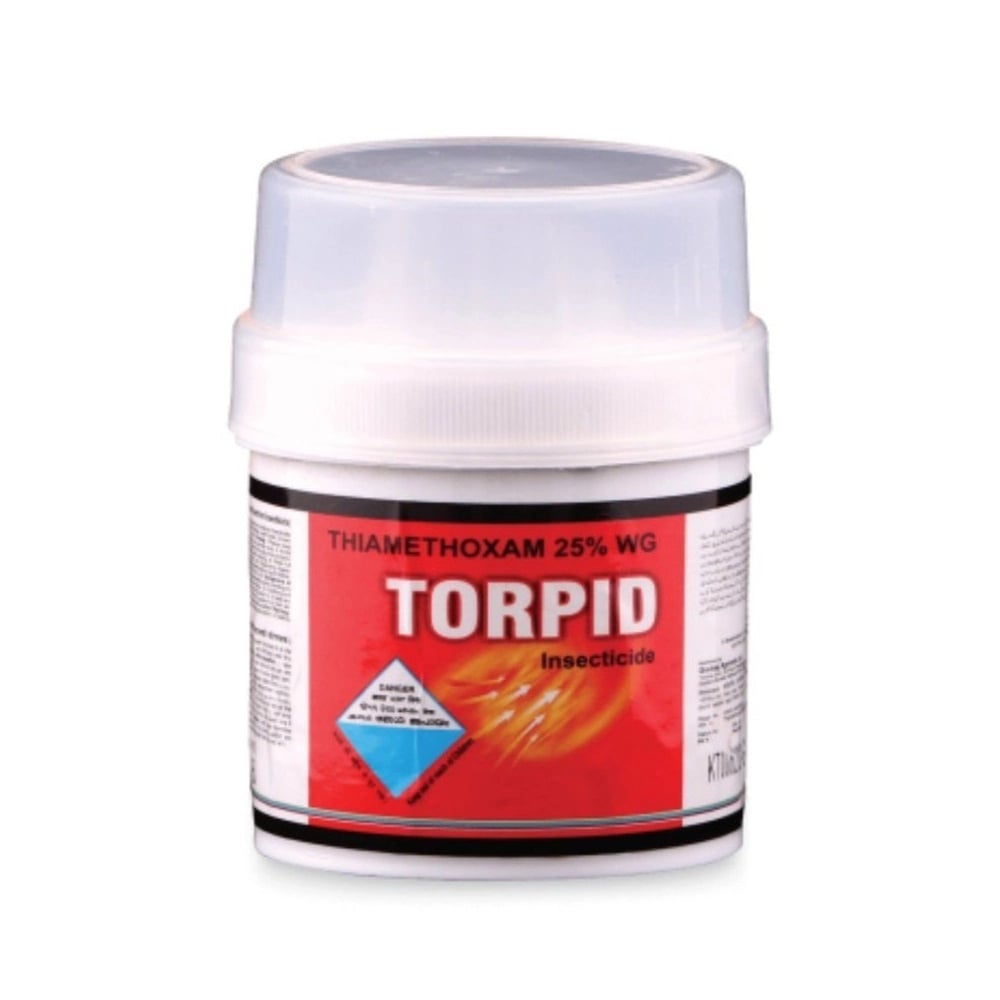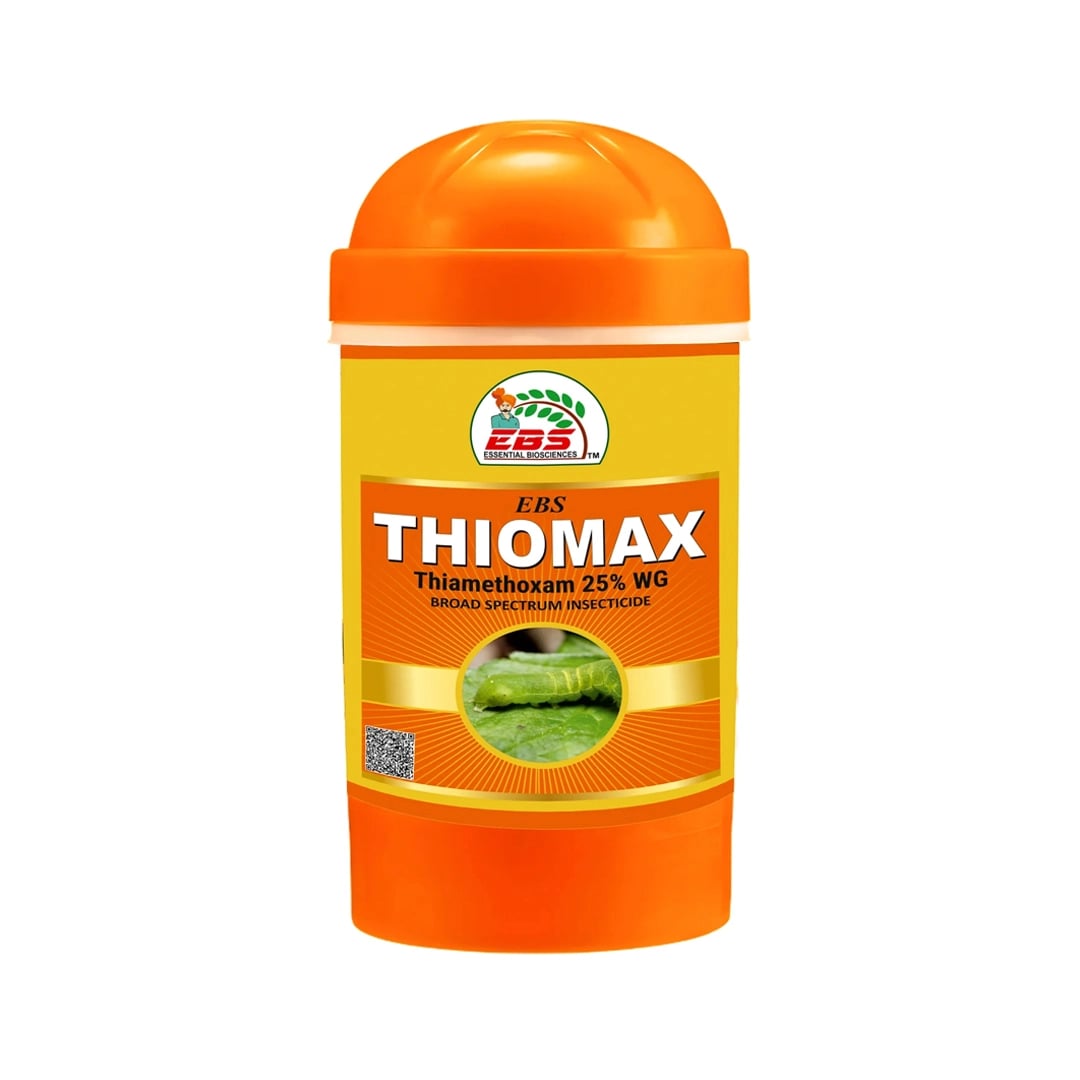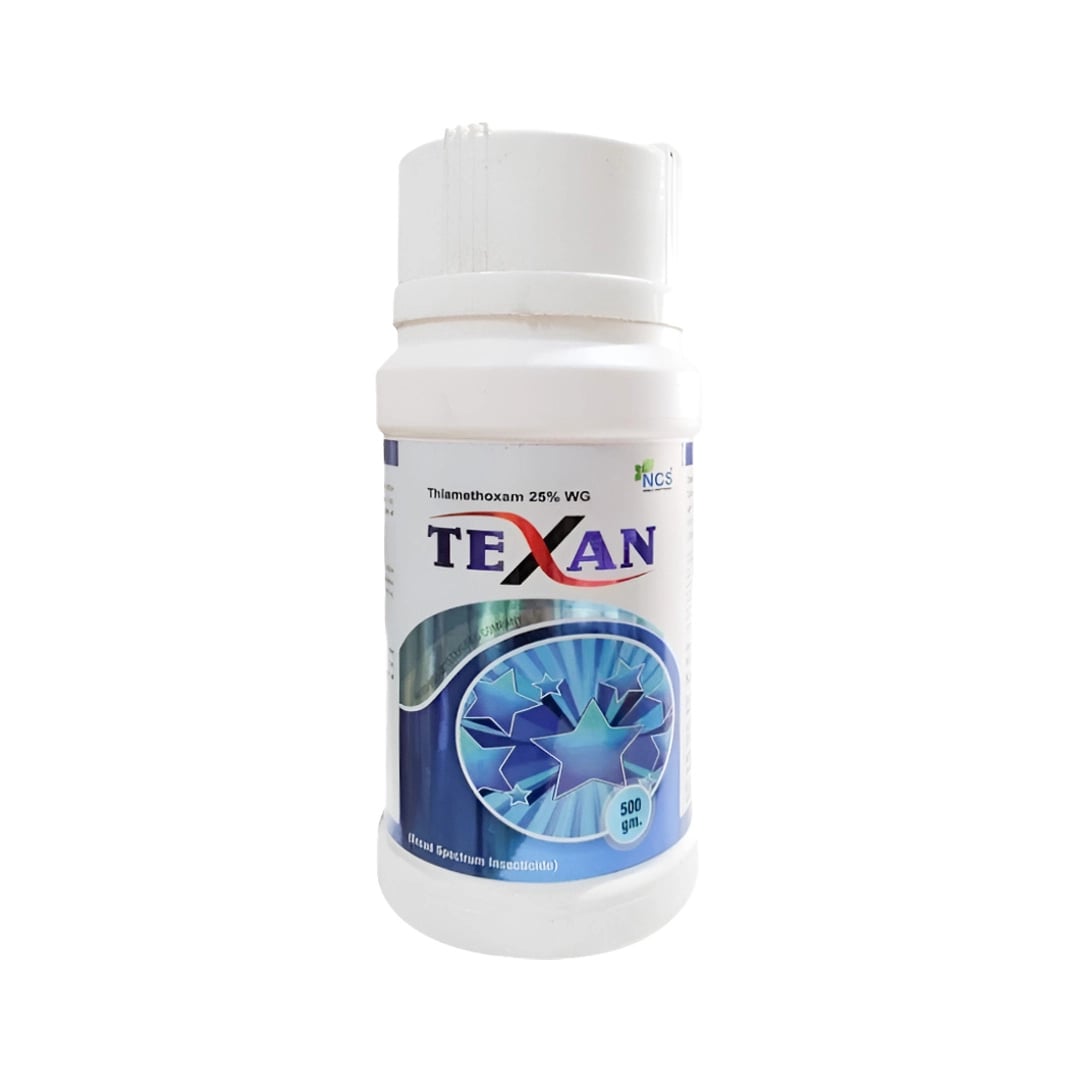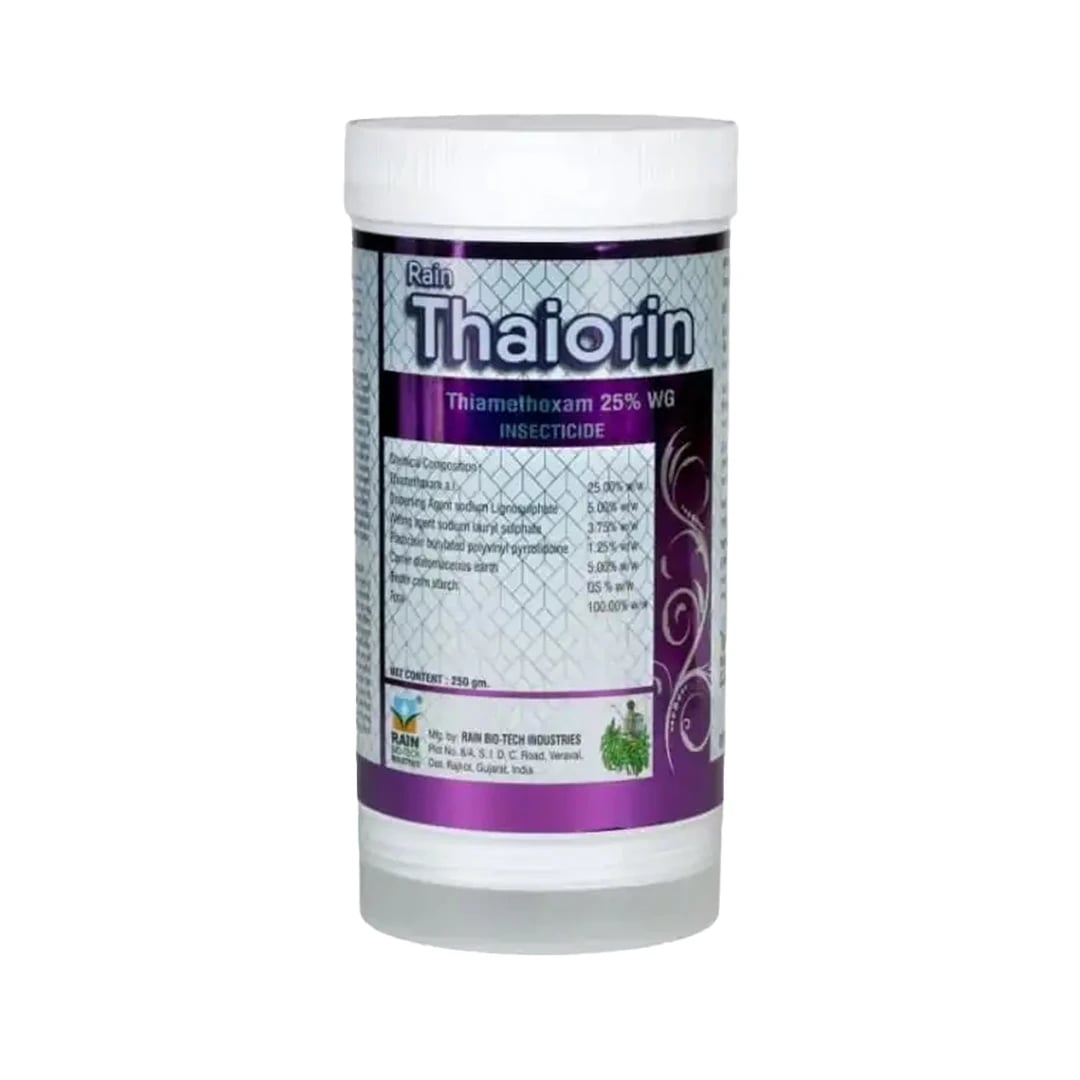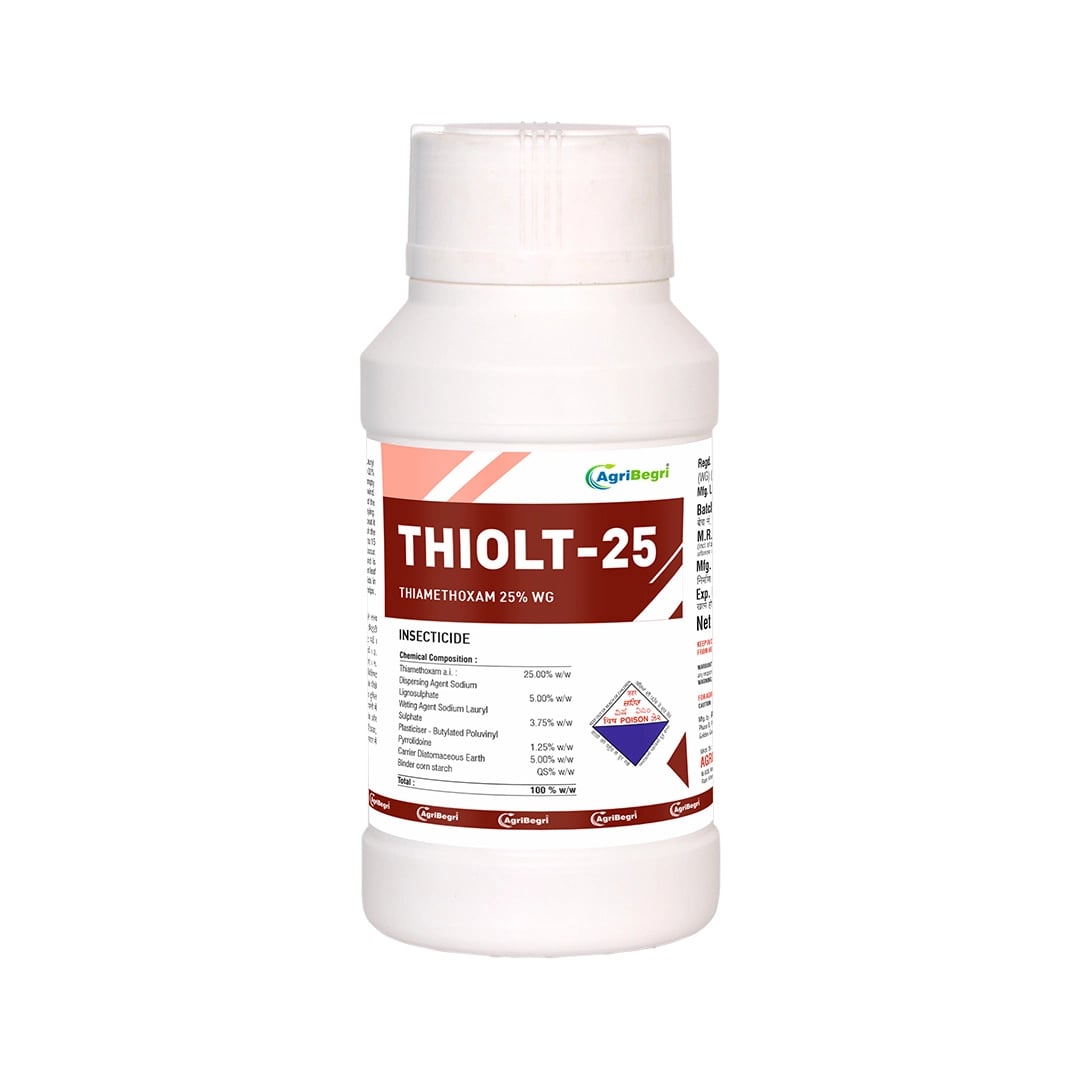
Thiolt-25 Insecticide - Thiamethoxam 25% WG
₹865₹2060
Save ₹119558% Off
🎉 You Save ₹611 (38% OFF)
Buying In Bulk?
Get Special Pricing for large orders, contact us now!

| Brand: | TITAN AGRITECH LIMITED |
| Product Code: | 5622 |
| Country of Origin: | India |
| Category: | Crop Protection |
| Sub Category: | Insecticides |



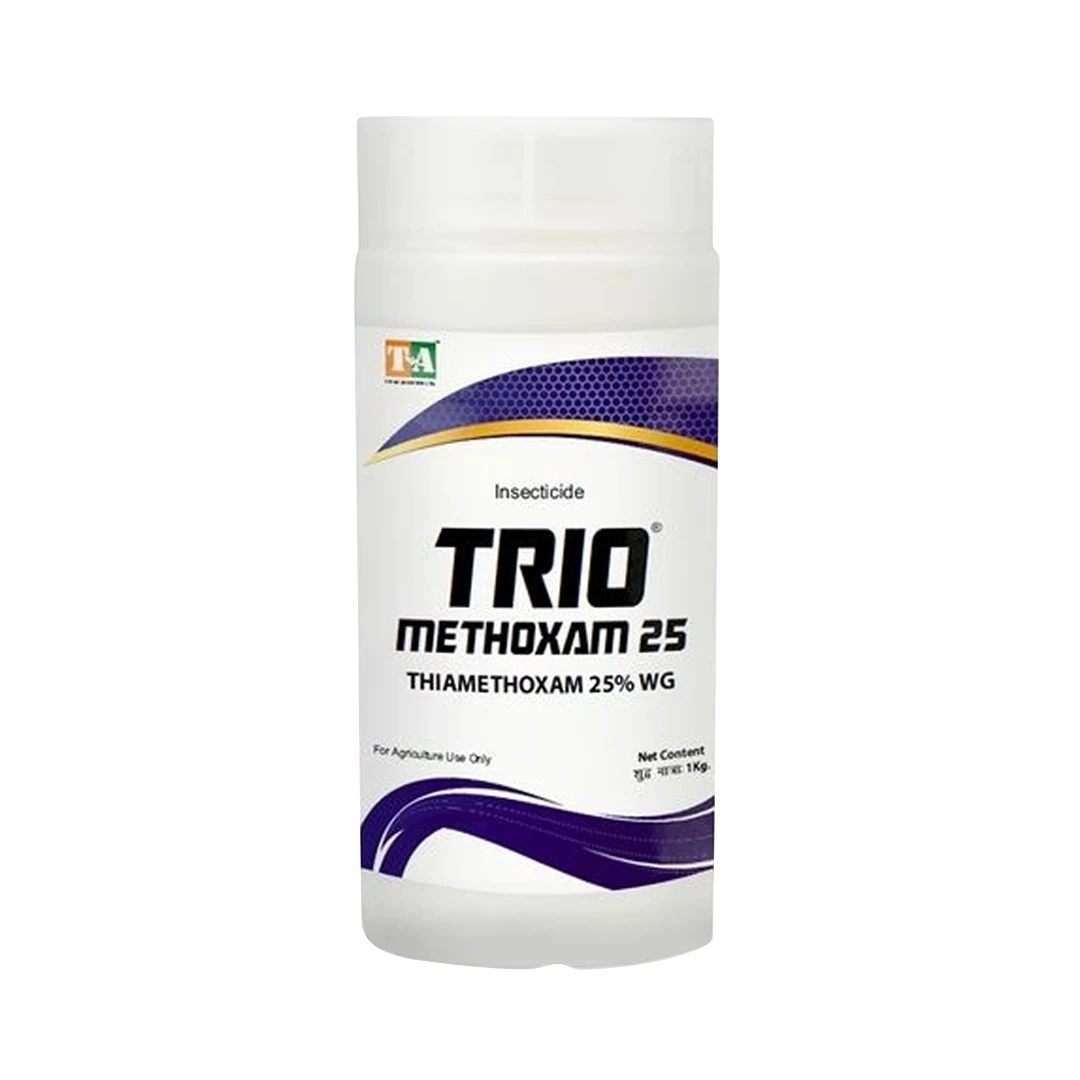
Trio Methoxam 25 insecticide is a broad-spectrum systemic insecticide containing thiamethoxam. Once sprayed, Trio Methoxam 25 insecticide is absorbed by the leaf and carried through the plant's system. It works by jamming the nerve receptors and stops feeding within hours. Trio Methoxam 25 insecticide works by contact and stomach routes as well, providing strong protection. The water-dispersible granules break up cleanly in the tank for easy application and even spread.
Triple Action: Trio Methoxam 25 insecticide offers systemic, contact, and stomach action at once, offering strong pest protection.
Quick Action: A single spray of Trio Methoxam 25 insecticide offers quick pest relief as it stops pest feeding activities.
Low Application: A low quantity of Trio Methoxam 25 insecticide covers an acre, which keeps cost down and reduces the chemical impact.
Rainfast Properties: Once absorbed, Trio Methoxam 25 insecticide cannot be washed away by the rain easily, providing
Resistance Management: Rotating Trio Methoxam 25 insecticide with an unrelated group helps keep sucking pests in check season after season.
Trio Methoxam 25 insecticide is registered against these pests:
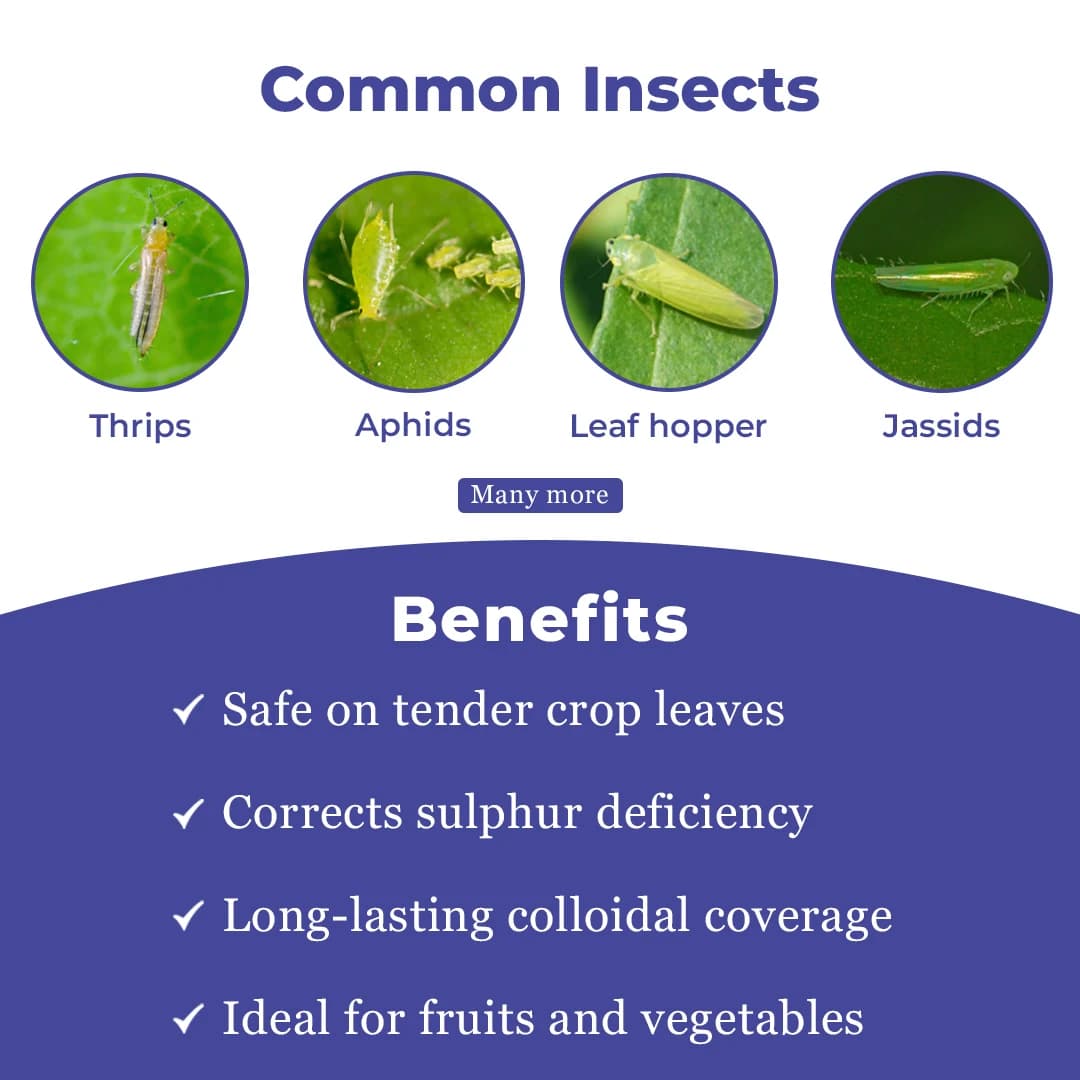
Rice Pests: Stem borer, gall midge, leaf folder, brown planthopper, white-backed planthopper, green leafhopper and thrips.
Cotton Pests: Jassids, aphids and whitefly.
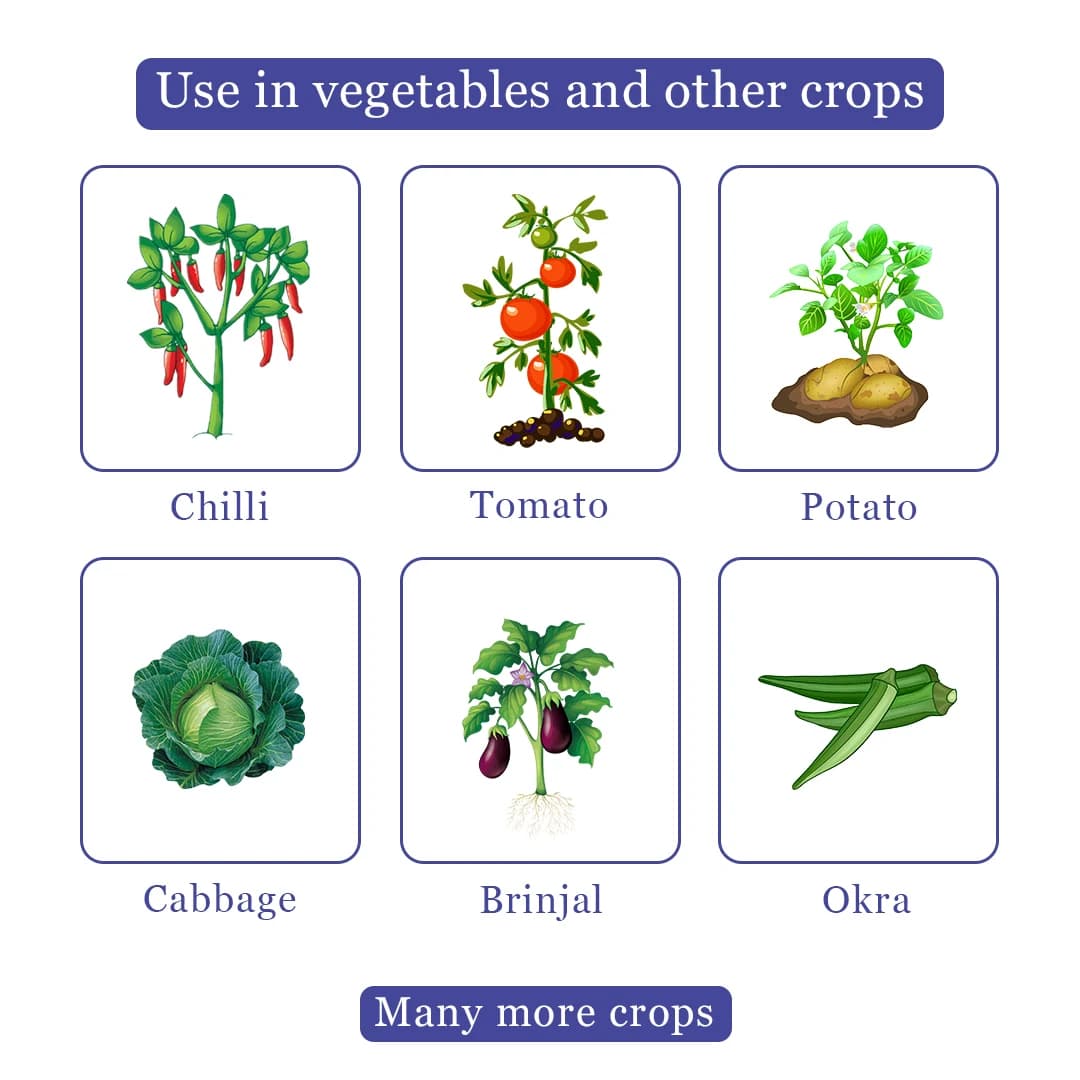
Vegetable Pests: Whitefly and aphids in brinjal and tomato, jassids in okra.
Orchard Pests: Mango hopper and citrus psylla.
Field Crop Pests: Aphids in wheat, mustard, groundnut and cumin.
The Trio Methoxam 25 Dose per Litre of water is about 0.25 to 0.3 grams, which comes to roughly 4 grams in a 15-litre pump. Across most crops, the Trio Methoxam 25 insecticide rate works out to 40 to 80 grams per acre, depending on how heavy the pest pressure is.
Crop | Target Pest | Dose per Acre | Dose per Litre | When To Spray |
|---|---|---|---|---|
Rice | Stem borer, gall midge, leaf folder, hoppers | 40–50 gm | 0.25–0.3 gm | 25–30 days after transplanting |
Cotton | Jassids, aphids, whitefly | 40–50 gm | 0.25–0.3 gm | At first pest build-up |
Okra, Brinjal, Tomato | Jassids, aphids, whitefly | 40–80 gm | 0.25–0.3 gm | Early vegetative and flowering stage |
Groundnut, Cumin | Aphids, jassids | 40–60 gm | 0.25–0.3 gm | Vegetative stage |
Wheat, Mustard, Potato | Aphids | 40–50 gm | 0.25–0.3 gm | At first appearance |
Mango, Citrus | Hoppers, psylla | - | 0.25–0.3 gm | New flush and pre-flowering |
Weigh the Trio Methoxam 25 insecticide granules accurately; since the rate is low, it also costs less money.
Disperse the measured Trio Methoxam 25 insecticide in a mug of clean water and stir until no lumps remain.
Pour the pre-mix into a part-filled spray tank and top up with the balance water.
Agitate the tank so the strength stays even from the first nozzle to the last.
Spray uniformly, covering the underside of leaves where jassids and whitefly settle.
In rice, direct the nozzle low, towards the base of the clumps where hoppers gather.
Allow a few dry hours after spraying; hold off if rain looks close.
Rinse the sprayer thoroughly with clean water once the round is over.
Trio Methoxam 25 insecticide is a systemic product, so it should go on at the first sign of pest incidence rather than after the crop is already damaged. Early morning or late evening is the right window — the crop is cool, wind is low, and honeybees are not out working the flowers.
Frequency: One or two Trio Methoxam 25 insecticide rounds a season are usually sufficient, kept 12 to 15 days apart if pest pressure continues.
Rotation: Do not spray Trio Methoxam 25 insecticide twice in a row. Alternate with a different IRAC group to slow resistance.
Re-Entry: Keep workers and livestock out of the treated field for 24 hours, and re-enter with full protective gear.
Tank-Mix: Trio Methoxam 25 insecticide mixes with most routine sprays, though alkaline partners should be avoided. Jar-test any new combination first.
Go through the label and leaflet properly before the pack is opened.
Wear gloves, goggles, a mask and full-sleeved clothing while measuring and spraying.
Do not breathe the granule dust while weighing, and stand upwind.
Nothing goes in the mouth during the spray job — no food, no water, no tobacco.
Highly toxic to honeybees, so never spray Trio Methoxam 25 insecticide on a crop in full bloom.
Toxic to fish, so keep it away from ponds, canals and drainage channels.
Wash hands, face and exposed skin with soap, and change into clean clothes afterwards.
Triple-rinse empty packs, puncture them, and discard as per local waste rules.
Keep the Trio Methoxam 25 insecticide pack sealed in a cool, dry, shaded place.
Store away from sunlight, heat, moisture, food grain, seed, feed, and drinking water.
Keep it locked away from children, pets, and cattle at all times.
Never shift Trio Methoxam 25 insecticide into a food or drink container.
Specifications | Details |
|---|---|
Product Name | Trio Methoxam 25 insecticide |
Brand Name | Titan Agritech Limited |
Trio Methoxam 25 Technical Name | Thiamethoxam 25% WG |
Formulation Type | Water Dispersible Granules (WG) |
Chemical Group | Neonicotinoid |
Mode of Action | Systemic, with contact and stomach action; acts on the nicotinic acetylcholine receptor |
IRAC Group | Group 4A |
Recommended For | Rice, cotton, okra, brinjal, tomato, groundnut, cumin, wheat, mustard, potato, mango and citrus |
Pack Sizes Available | 100 gm, 250 gm, 500 gm, 1 kg |
Country of Origin | India |
Shelf Life | As printed on the pack |
Pre-Harvest Interval | Varies by crop — follow the label |
Application Method | Foliar spray; soil drenching in rice nursery |
Recommended Dose | 40 to 80 gm per acre; 0.25 to 0.3 gm per litre |
Target Pests | Aphids, jassids, whitefly, thrips, planthoppers, leafhoppers, stem borer, gall midge, leaf folder, mango hopper and citrus psylla |
Product Category | Broad-spectrum systemic insecticide |
No reviews yet. Be the first to review this product!