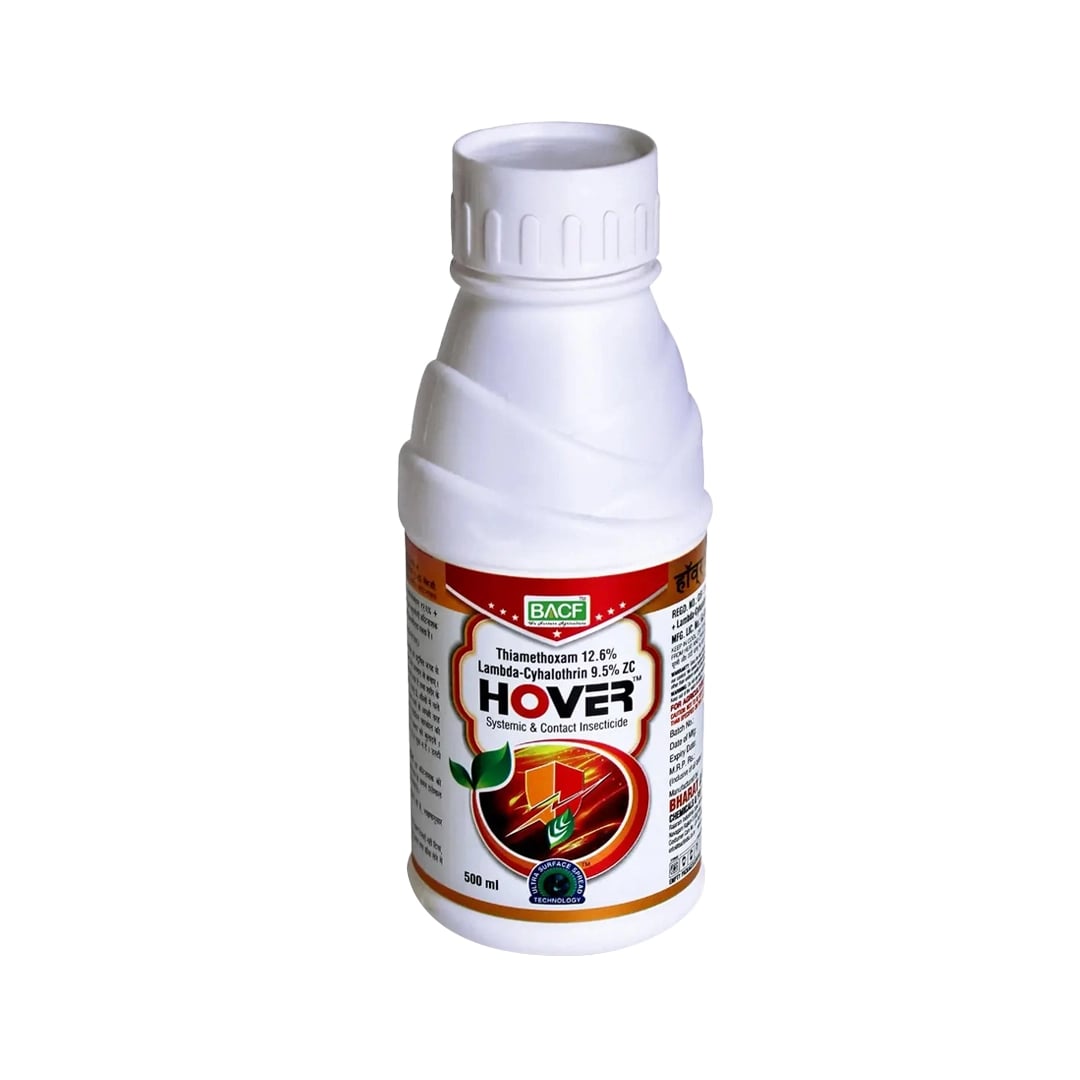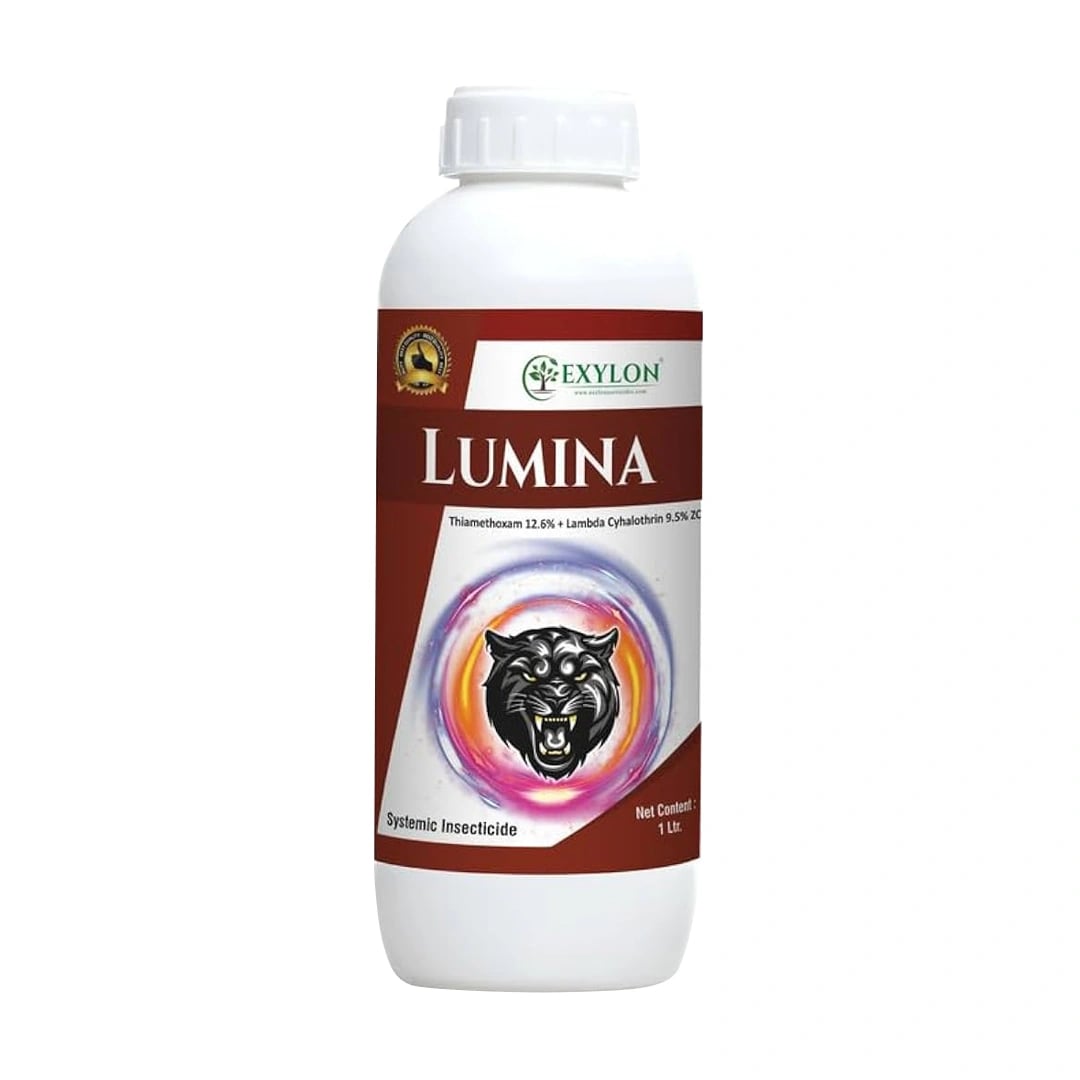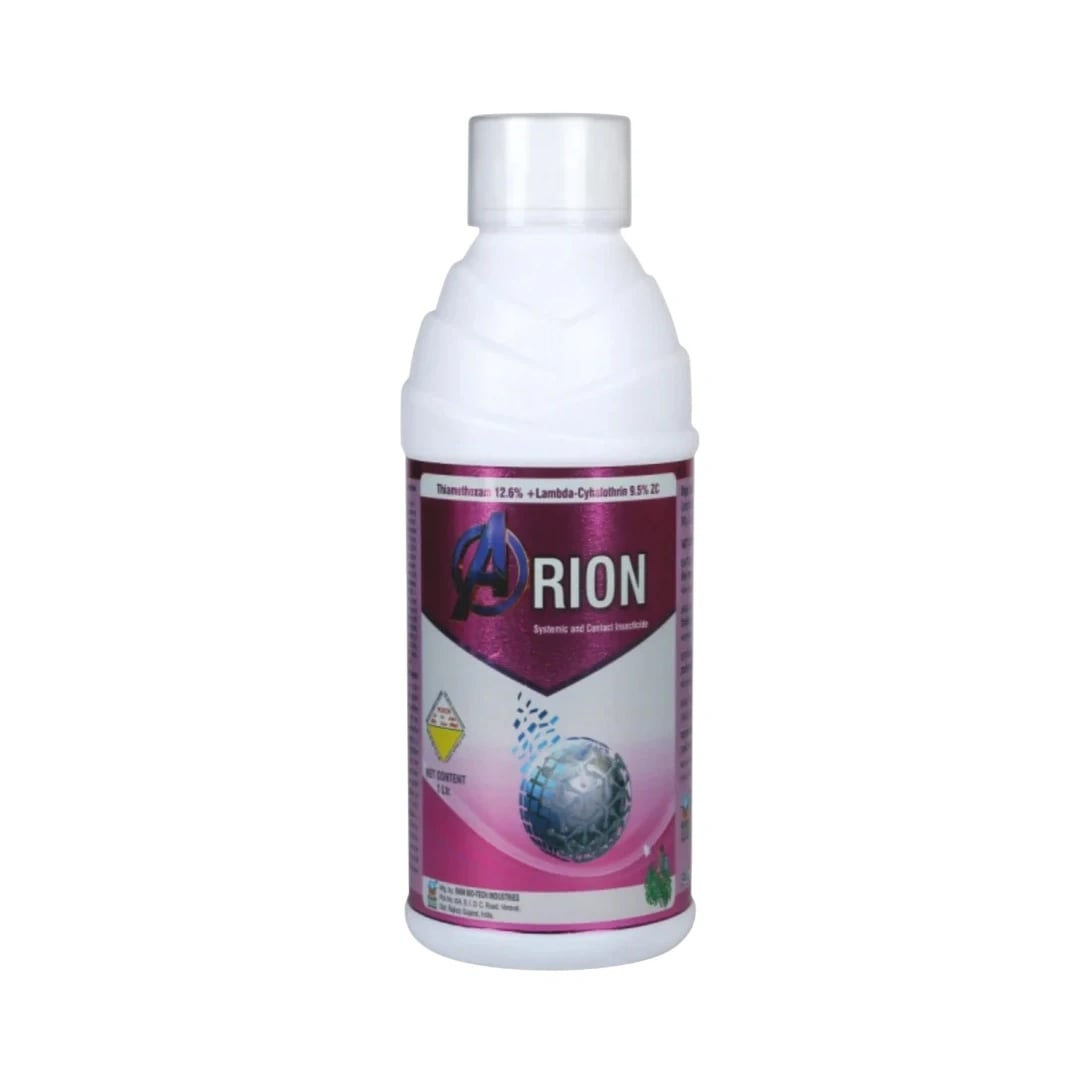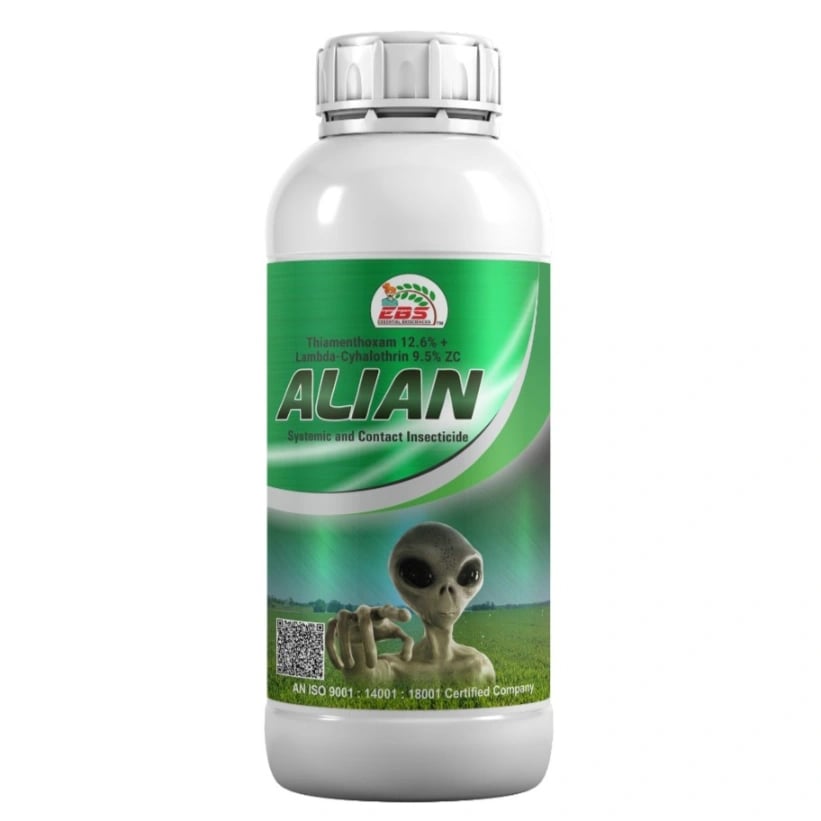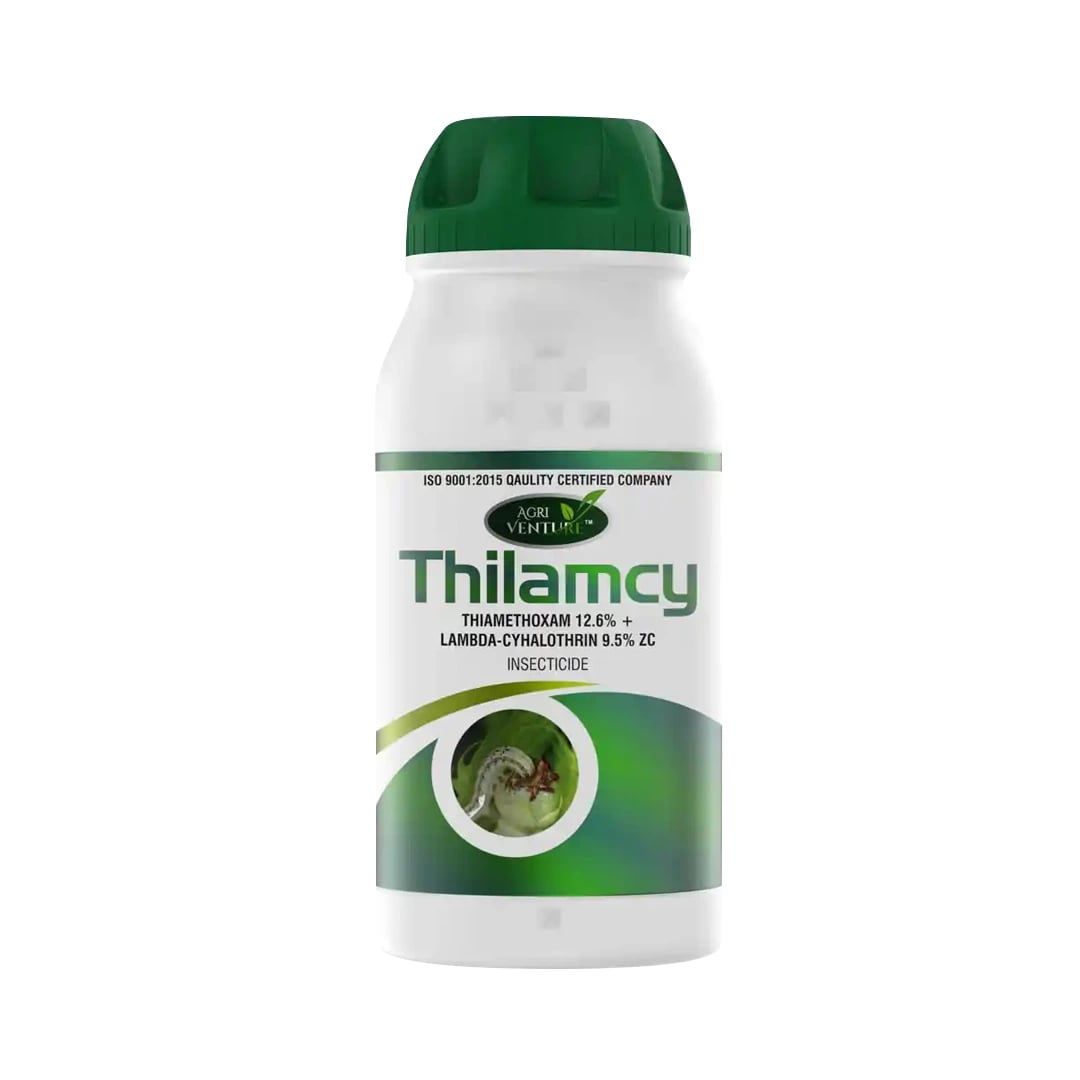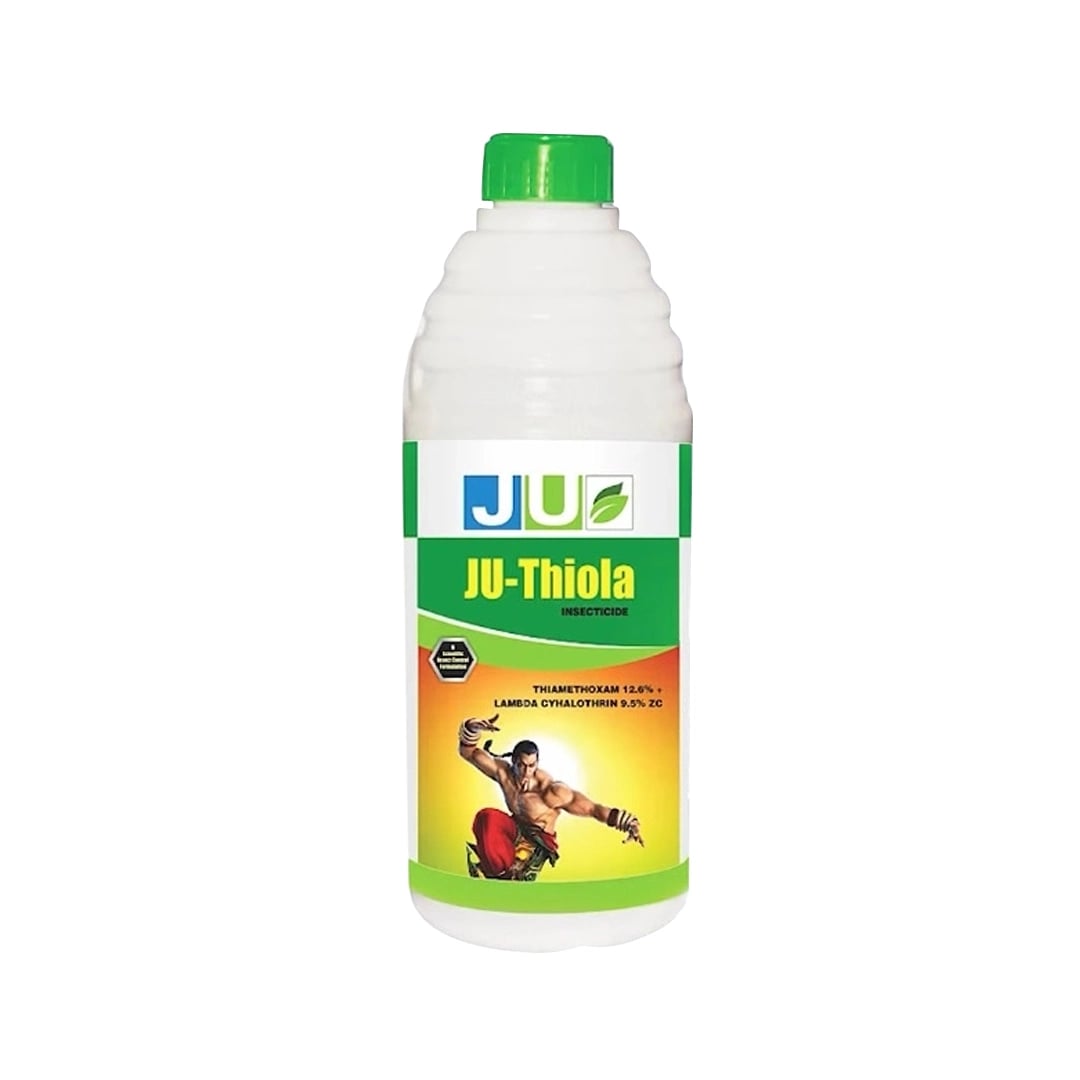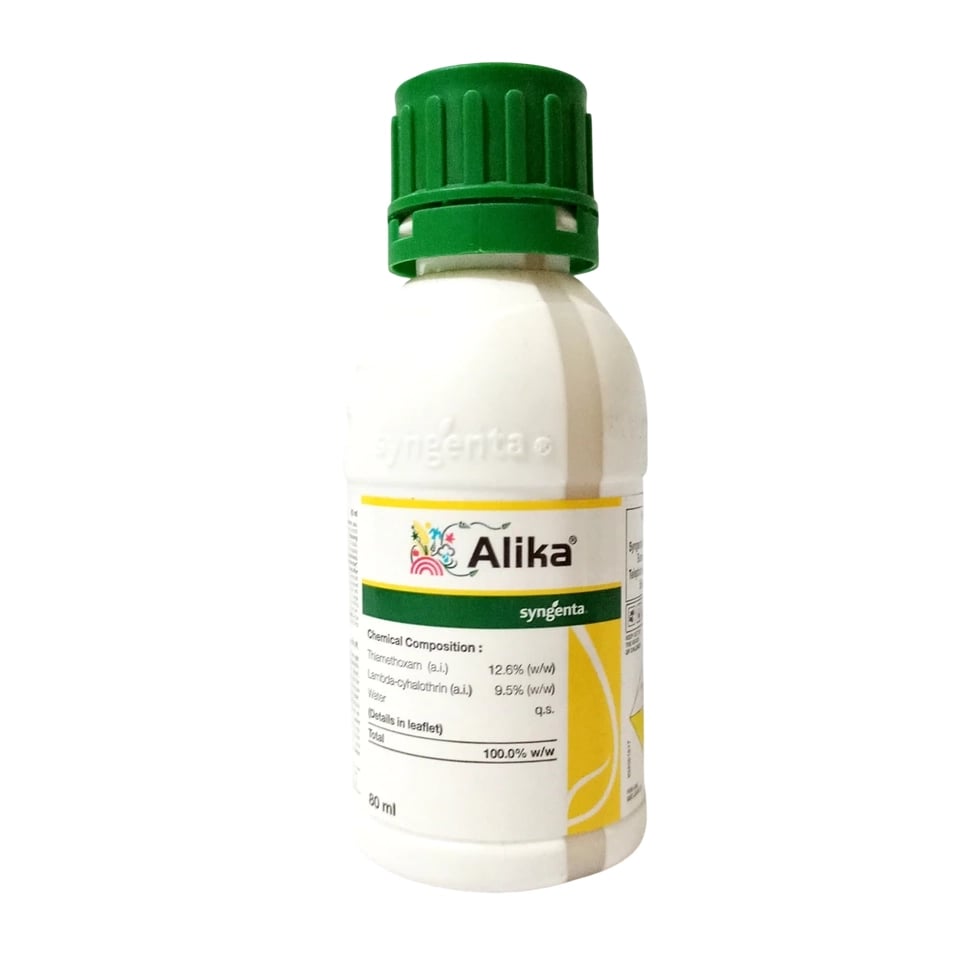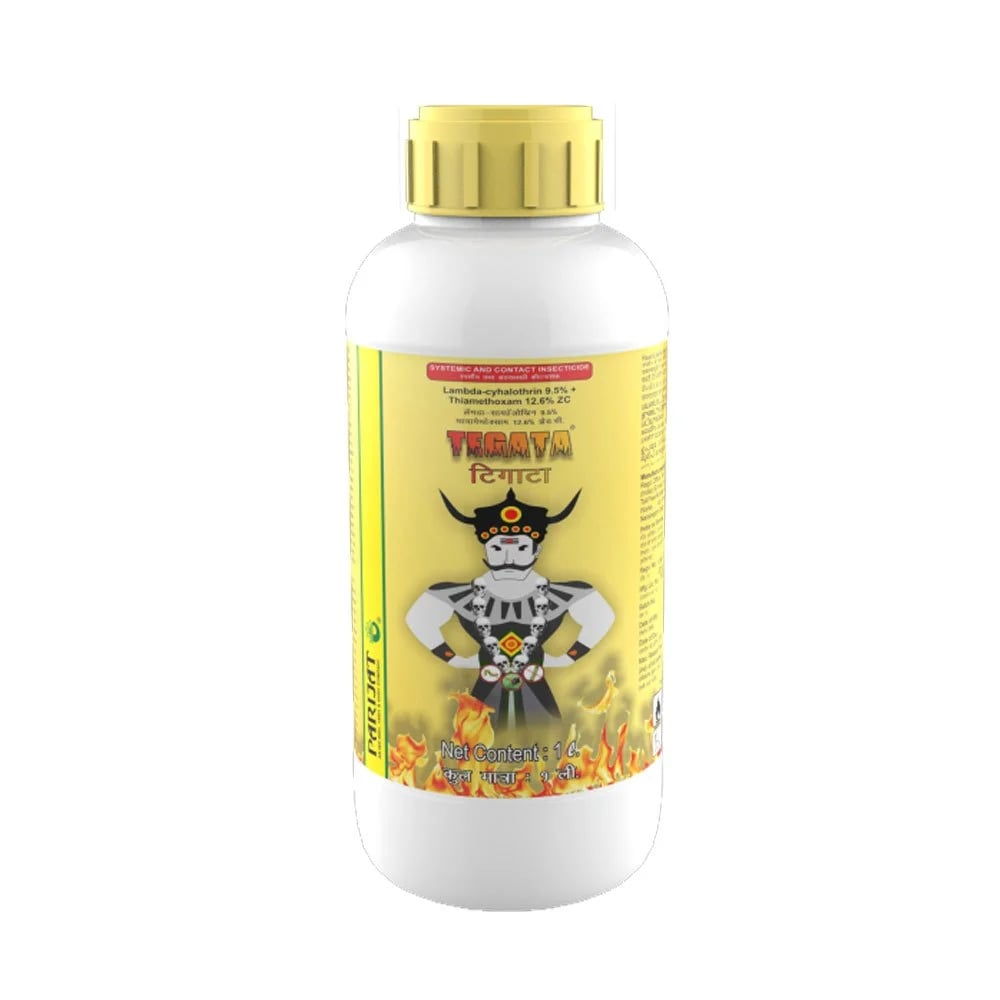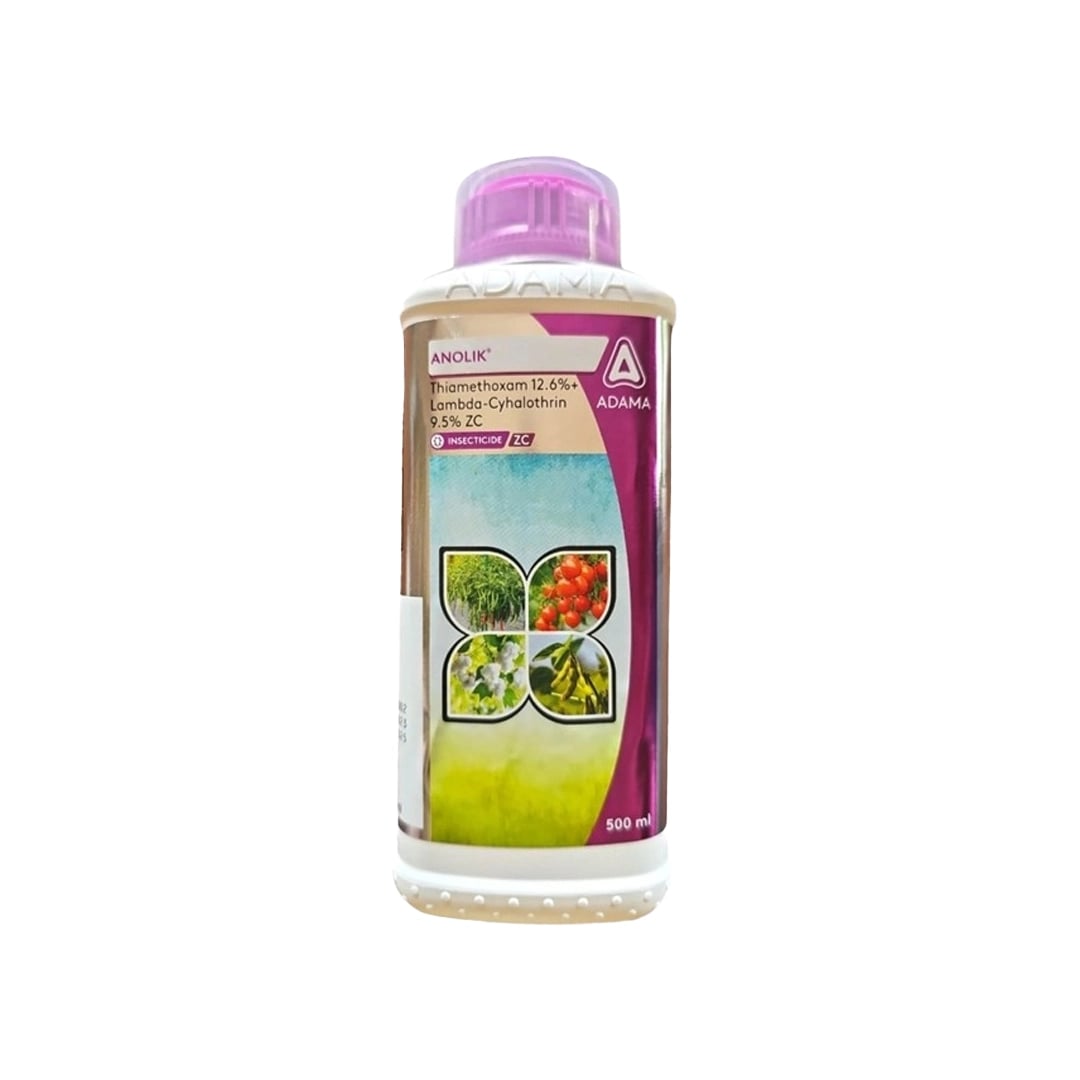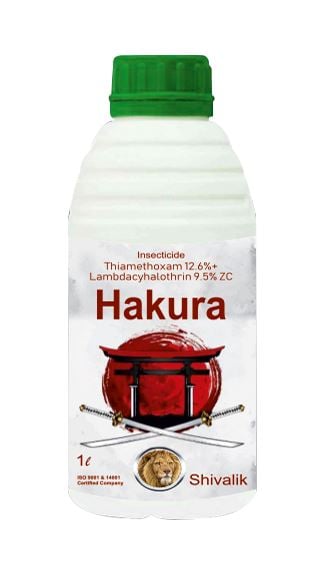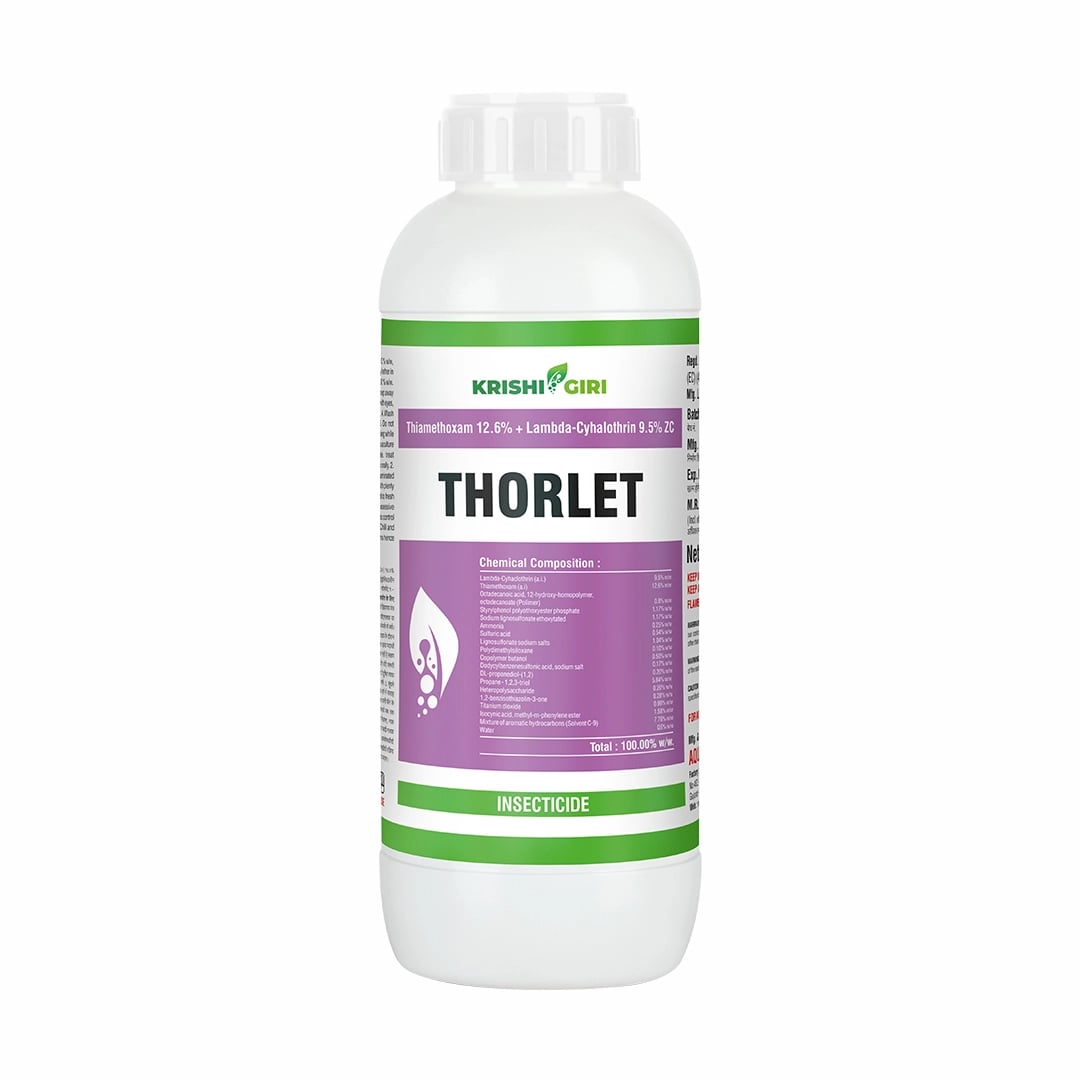
Thorlet Insecticide (Thiamethoxam 12.6% + Lambda Cyhalothrin 9.5% Zc) for Pest Control in Cotton, Chilli & Soybean
₹1240₹2600
Save ₹136053% Off
🎉 You Save ₹713 (23% OFF)
Buying In Bulk?
Get Special Pricing for large orders, contact us now!
| Brand: | Dhanuka Agritech Limited |
| Product Code: | 6744 |
| Country of Origin: | India |
| Category: | Crop Protection |
| Sub Category: | Insecticides |




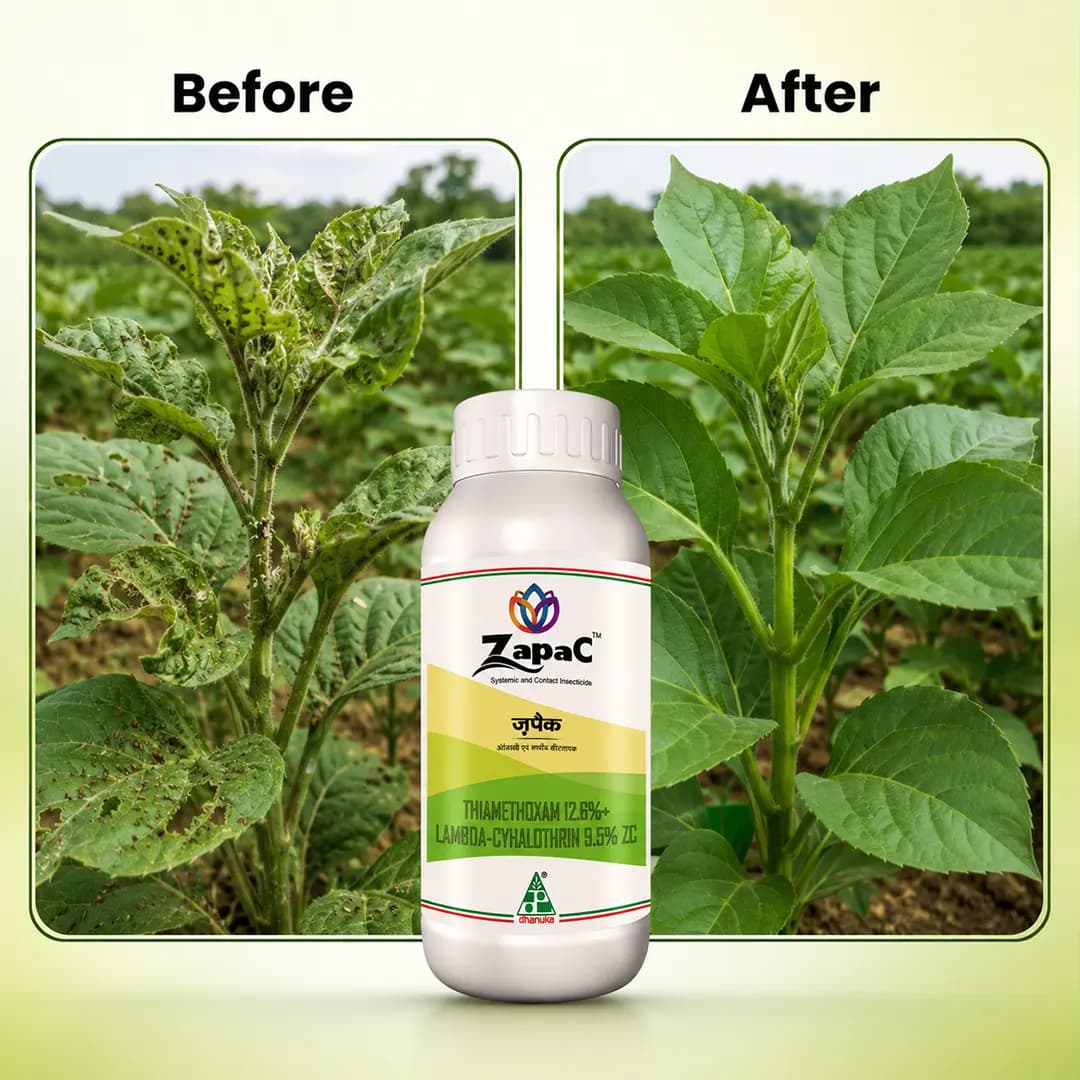
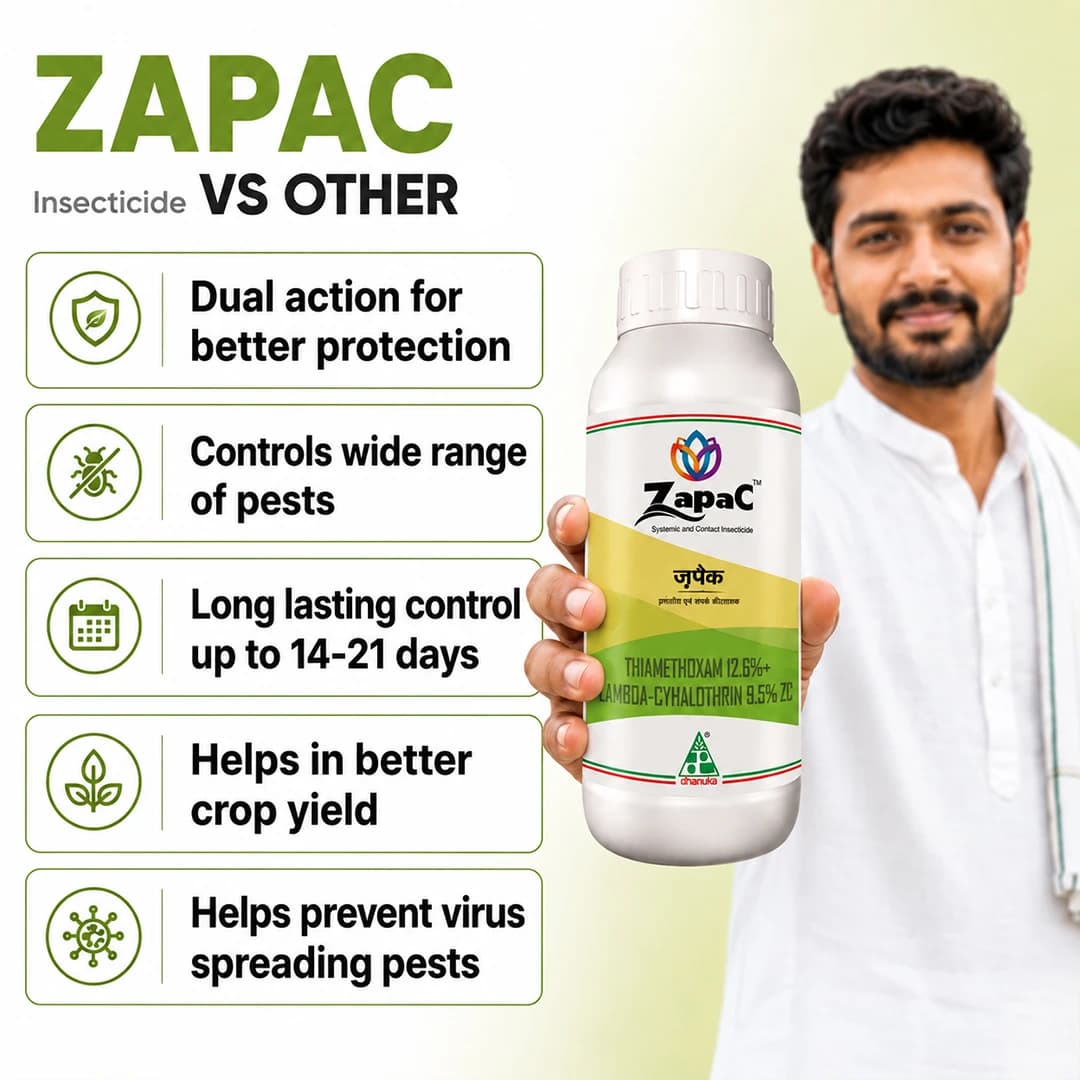
Dhanuka Zapac is a broad-spectrum, dual-action insecticide that offers systemic and contact modes of action. This insecticide works by interfering with the pest’s nerve impulses and disrupting the sodium channels in the nerve cells, leading to paralysis and death. Dhanuka Zapac insecticide is an excellent pest remedy that provides high resistance management, while being effective against a wide range of pests.
Resistance Management: Dhanuka Zapac offers a dual chemical formula that makes it tough for the pest to develop resistance.
Dual Protection: Zapac Insecticide offers systemic and contact modes of action for the best protection, providing better yields.
Prolonged Effects: Dhanuka Zapac provides long-lasting protection for up to 14 to 21 days per spray, reducing the need for frequent application.
Broad-Spectrum: This insecticide helps control a wide range of pests like Aphids, Thrips, Bollworms, Shoot Fly, and many others.
Prevents Virus Spreading: Dhanuka Zapac insecticide eliminates pests that are carriers of harmful viral diseases.
Zapac Insecticide covers both sucking and chewing pests across all registered crops:
Sucking Pests: Aphids, Jassids, Thrips, Whiteflies, Leaf Hoppers, Tea Mosquito Bug
Chewing and Boring Pests: Bollworms, Fruit Borer, Stem Borer, Shoot Fly
Caterpillars: Semilooper, Leaf Eating Caterpillars, Hairy Caterpillar
Other Pests: Girdle Beetle (Soybean), Stem Fly (Soybean), Brown Plant Hopper (BPH)
Mix Dhanuka Zapac in 150–200 litres of water per acre for foliar spray. Apply at the first sign of pest activity or at the Economic Threshold Level.
The Zapac Insecticide Dose Per Litre is approximately 0.4–0.5 ml per litre of water, equivalent to 60–80 ml per acre.
Crop | Target Pest | Dose Per Acre | Per 15L Pump | PHI |
|---|---|---|---|---|
Cotton | Jassids, Aphids, Thrips, Bollworms | 60–80 ml | 4.5–6 ml | 21 days |
Maize | Aphids, Shoot Fly, Stem Borer | 60–80 ml | 4.5–6 ml | 21 days |
Groundnut | Leaf Hopper, Leaf Eating Caterpillars | 60–80 ml | 4.5–6 ml | 21 days |
Soybean | Stem Fly, Semilooper, Girdle Beetle | 60–80 ml | 4.5–6 ml | 21 days |
Chilli | Thrips, Fruit Borer | 60–80 ml | 4.5–6 ml | 7 days |
Tea | Tea Mosquito Bug, Thrips, Semilooper | 60–80 ml | 4.5–6 ml | 5 days |
Tomato | Thrips, Whiteflies, Fruit Borer | 60–80 ml | 4.5–6 ml | 7 days |
Measure the required dose of Zapac insecticide as per the crop-wise dose table above.
Add the measured quantity to a sprayer tank half-filled with clean water and mix well.
Fill with the remaining water and agitate thoroughly before spraying to form a uniform solution.
Use a hollow cone or flat fan nozzle for thorough coverage — ensure the spray reaches the underside of leaves where sucking pests cluster most densely.
Apply at the first sign of pest activity or at the Economic Threshold Level for the target pest.
Do not apply during flowering of the crop — Dhanuka Zapac is highly toxic to bees.
Spray during early morning or late evening — avoid midday heat and active bee foraging hours.
Rinse all sprayer equipment thoroughly with clean water after every use.
Apply Zapac insecticide in the early morning or late evening. For Cotton bollworms and Chilli fruit borers, apply at the first sign of egg hatching or early larval infestation. For sucking pests, apply when colonies first appear on young leaves and shoots.
Frequency of Application: Apply at the first sign of pest infestation. Repeat every 10–14 days if pest pressure continues. Do not exceed 2–3 applications per season — rotate with insecticides from different IRAC groups after 2 consecutive applications to prevent resistance.
Re-Entry Period: Do not enter treated fields for at least 24 hours after spraying without proper protective gear.
Tank-Mix Compatibility: Dhanuka Zapac is compatible with most fungicides and insecticides. Avoid mixing with strongly alkaline products. Always perform a jar test before mixing with unfamiliar products.
Wear gloves, goggles, and a face mask before handling or spraying Zapac insecticide.
Do not eat, drink, or smoke during mixing or application.
Avoid direct contact with skin and eyes — rinse immediately with clean water for 15 minutes if contact occurs.
Highly toxic to bees — do not spray during active bee foraging hours, during crop flowering, or near beehives.
Do not allow spray drift onto flowering weeds, hedges, or flowering crops in the vicinity.
Keep children, pets, and livestock away from treated fields for at least 24 hours.
Wash all exposed skin thoroughly with soap and water after every spray session.
Triple rinse empty containers, puncture, and dispose of per local waste guidelines.
Store Dhanuka Zapac in its original sealed container in a cool, dry place away from direct sunlight and heat.
Keep away from food, animal feed, and seeds.
Store out of reach of children and farm animals.
Storage Temperature: Below 35°C.
Shelf Life: 2 years from the date of manufacture.
Specification | Details |
|---|---|
Product Name | Dhanuka Zapac Insecticide |
Brand | Dhanuka Agritech Limited |
Zapac Insecticide Technical Name | |
Chemical Class | Neonicotinoid (Thiamethoxam) + Pyrethroid (Lambda Cyhalothrin) |
IRAC Group | 4A (Thiamethoxam — nAChR Antagonist) + 3A (Lambda Cyhalothrin — Sodium Channel Modulator) |
Mode of Action | Systemic (Thiamethoxam — absorbed and translocated) + Contact + Stomach (Lambda Cyhalothrin — sodium channel disruption → paralysis → death) |
Formulation Type | ZC — Zeon Concentrate (Micro-encapsulated) |
Application Method | Foliar Spray |
Dose | 60–80 ml per acre (0.4–0.5 ml per litre of water) |
Pack Sizes Available | 200 ml, 500 ml |
Country of Origin | India |
Shelf Life | 2 years from date of manufacture |
Pre-Harvest Interval (PHI) | 5–21 days (crop specific) |