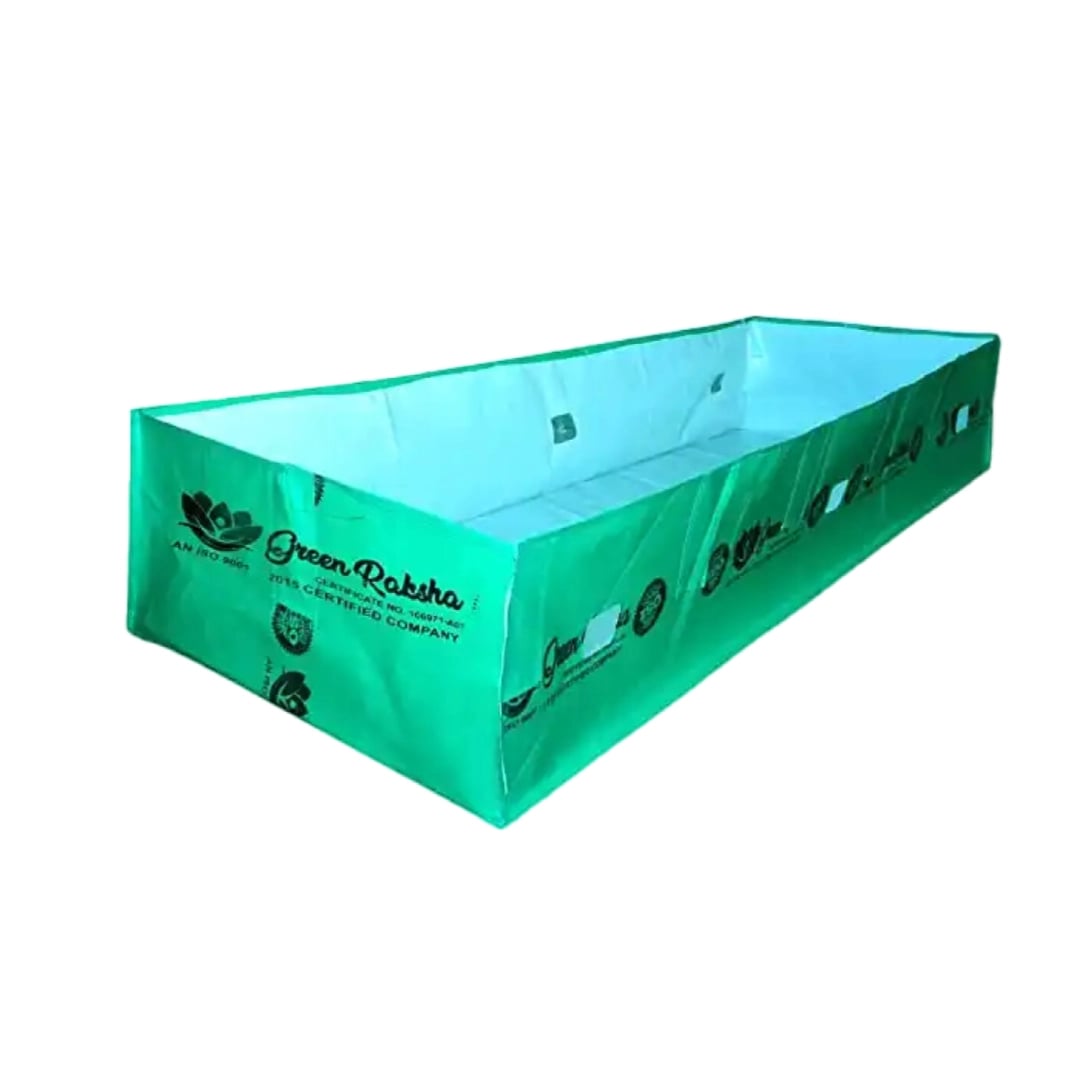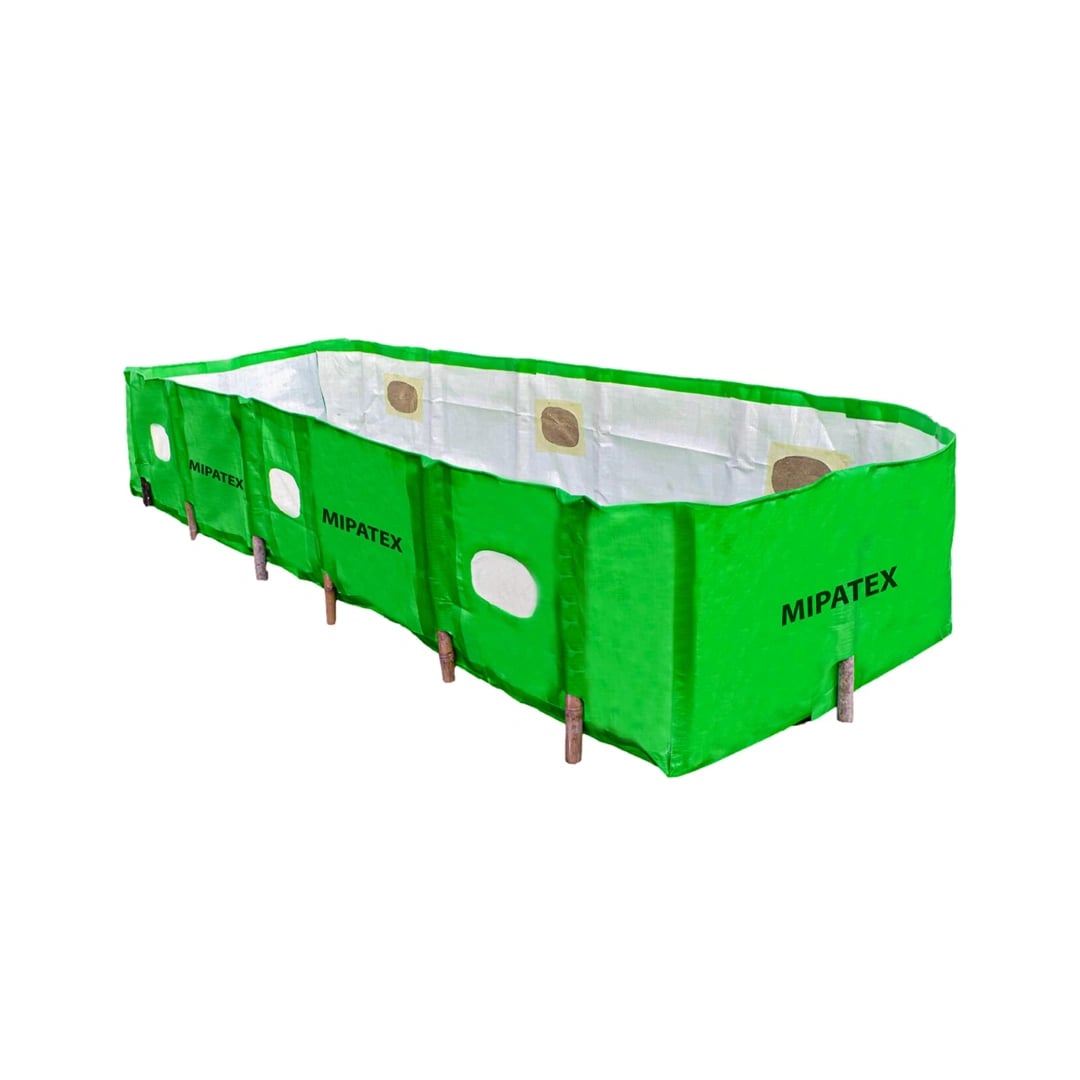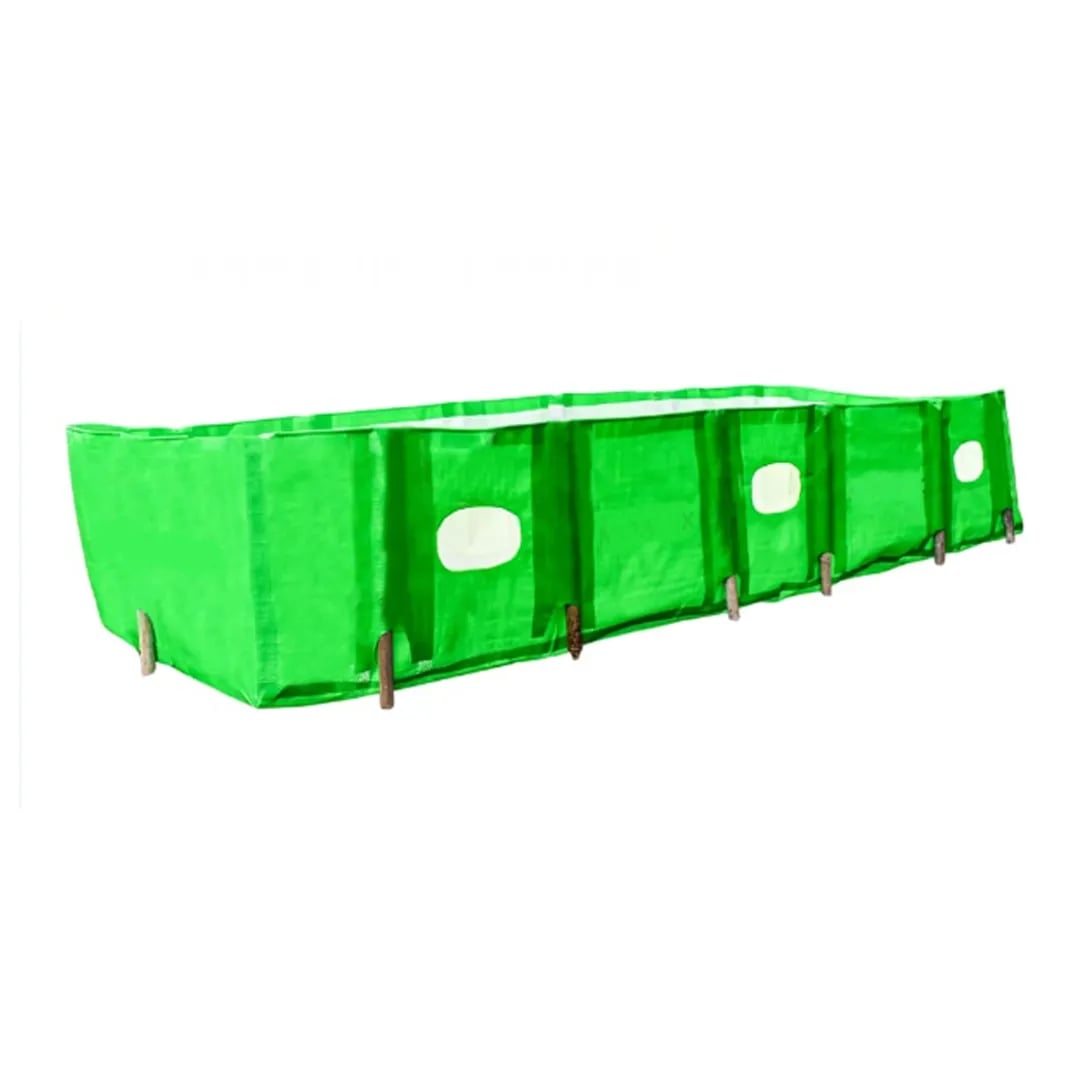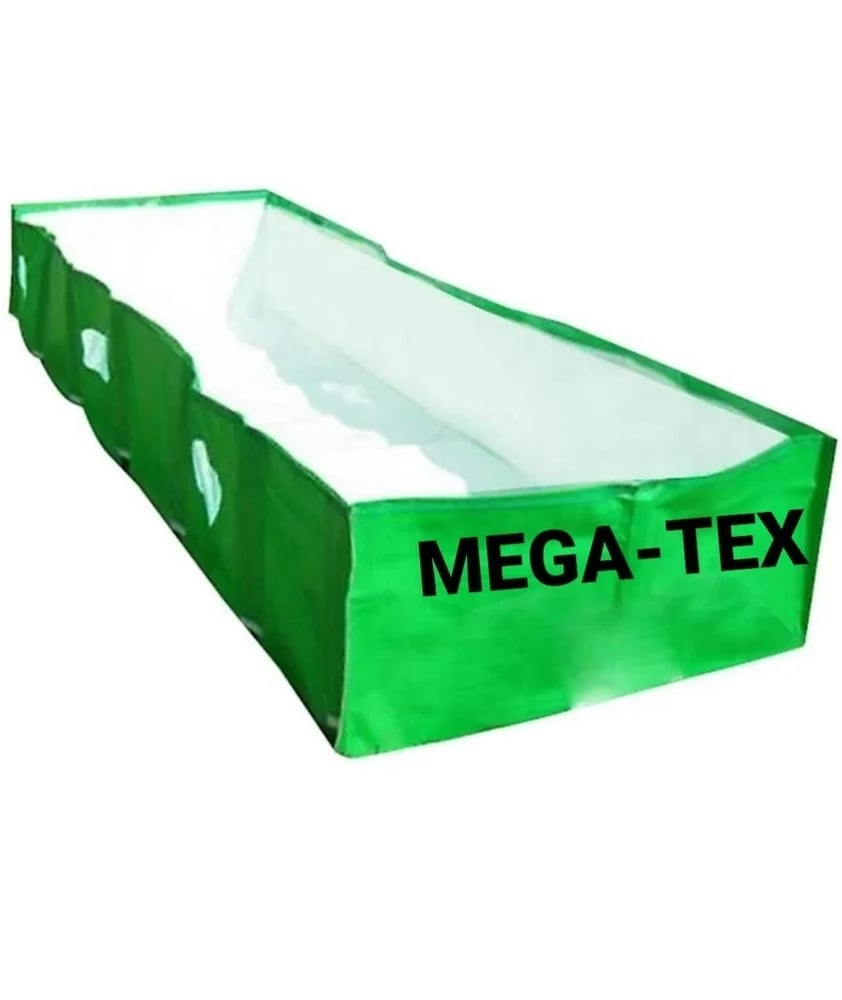
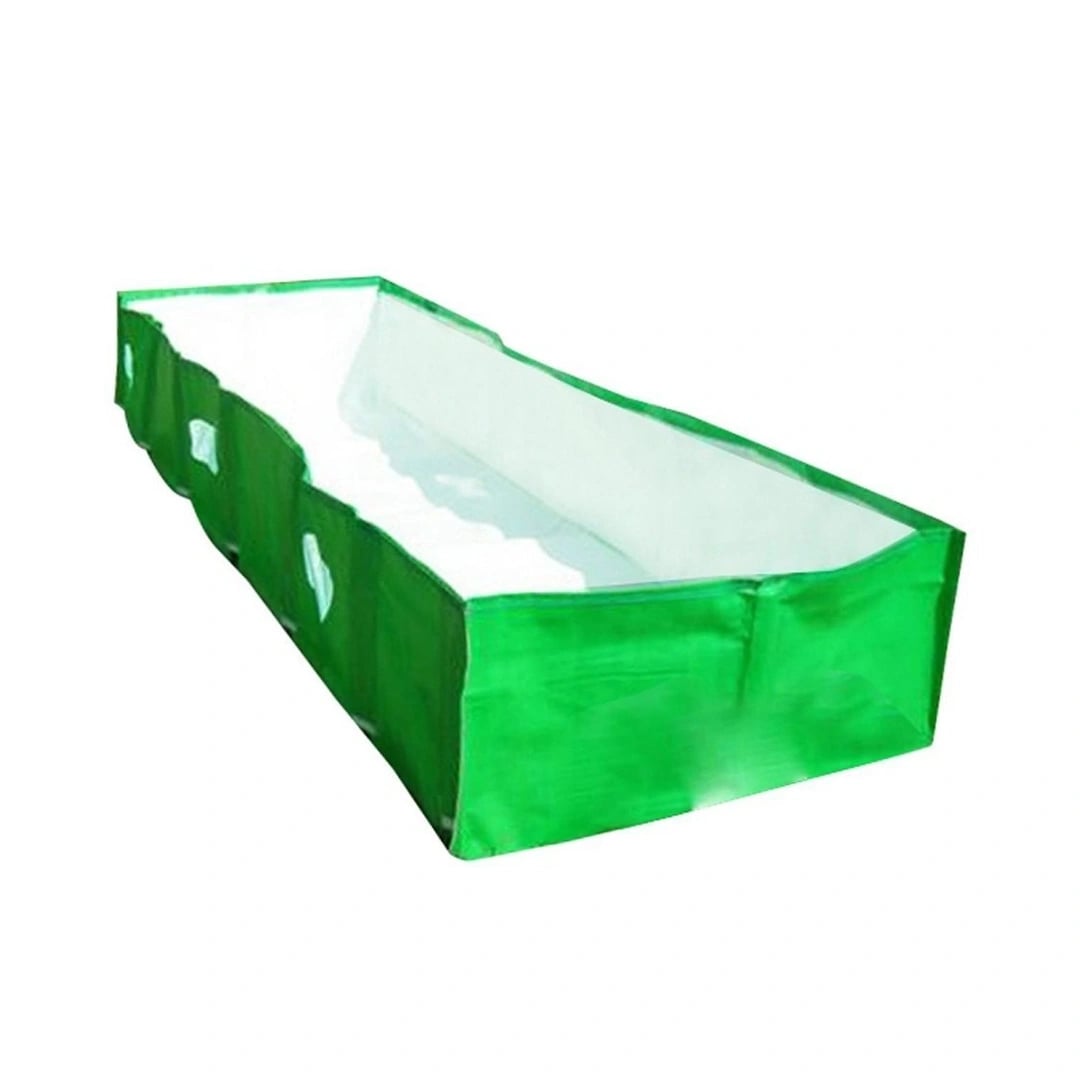
Real Trust HDPE Vermicompost Bed
₹1438₹2650
Save ₹121246% Off
🎉 You Save ₹809 (44% OFF)
Buying In Bulk?
Get Special Pricing for large orders, contact us now!

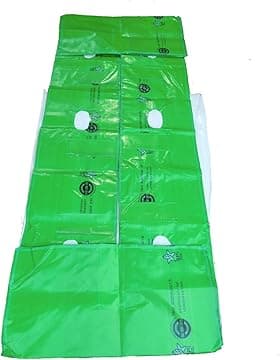
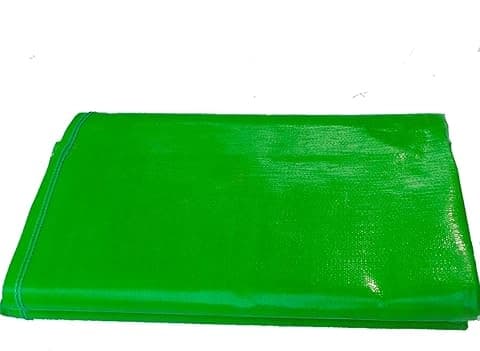
| Brand: | Greeno Biotech |
| Product Code: | 4705 |
| Country of Origin: | India |
| Category: | Equipments |
| Sub Category: | Vermicompost Bed |




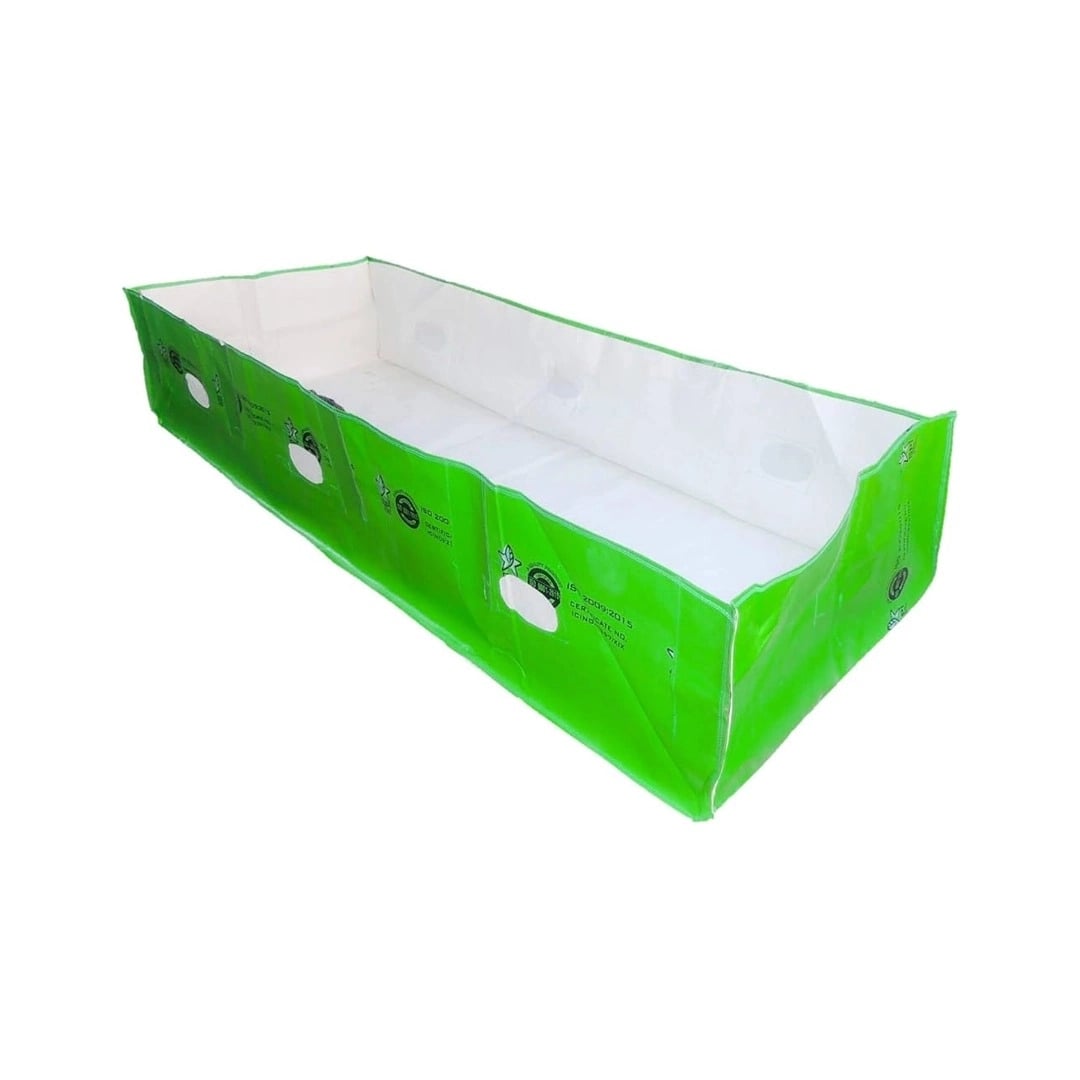
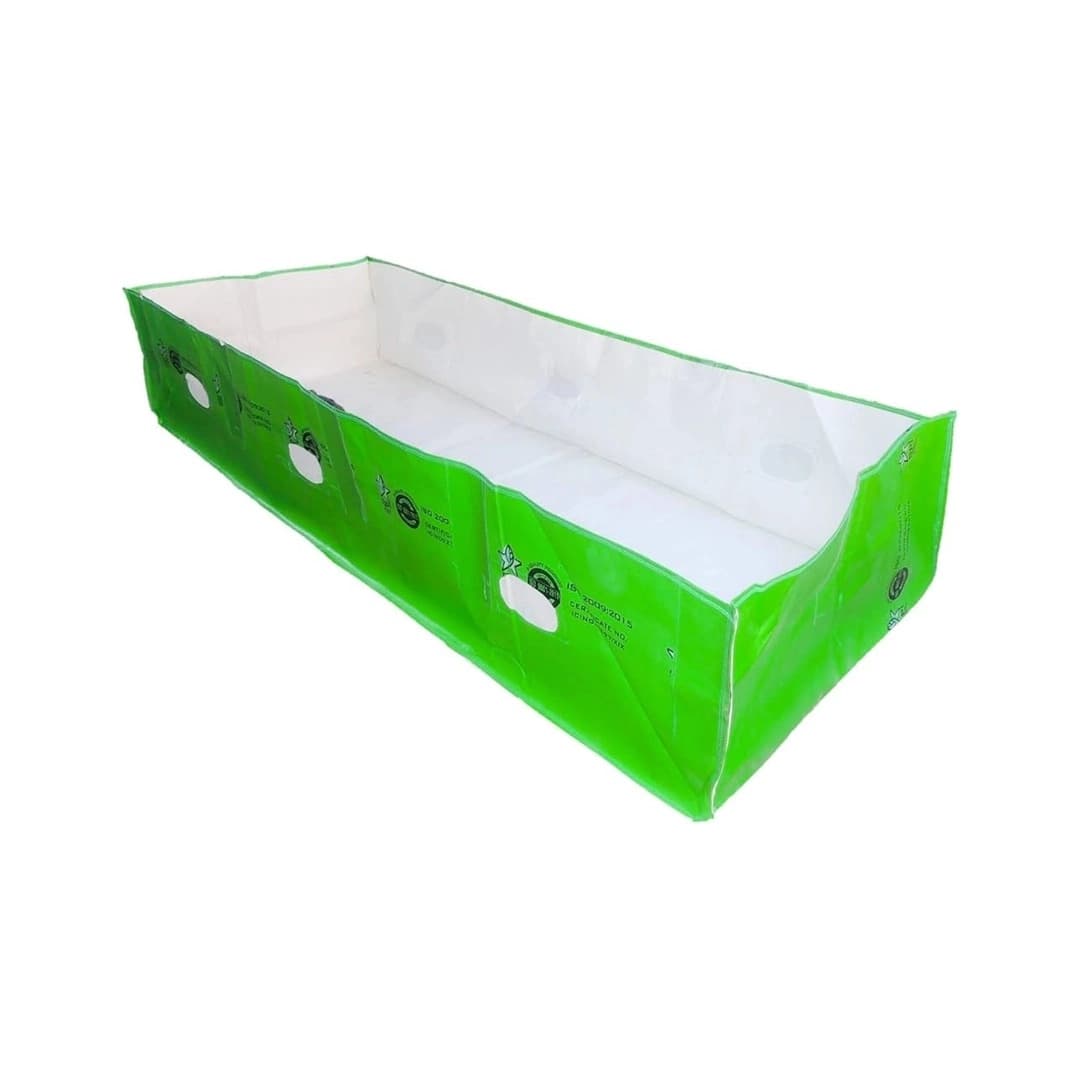
The Greeno Biotech Vermi Bed 450 GSM is a strong, long-life HDPE bed built for fast, clean, and high-yield vermicompost making at home or on the farm. The thick 450 GSM woven fabric is UV-treated, so the bed stays soft and crack-free even after years of sunlight, rain, and field use. The reinforced corners and double-stitched seams hold heavy compost loads without tearing at the base. The vermi bed 450 gsm sets up in minutes on flat ground, holds the right moisture inside, and lets extra water drain out from the side outlets. Farmers can make ready-to-use vermicompost in just 45 to 60 days, all from kitchen waste, cow dung, and crop residue.
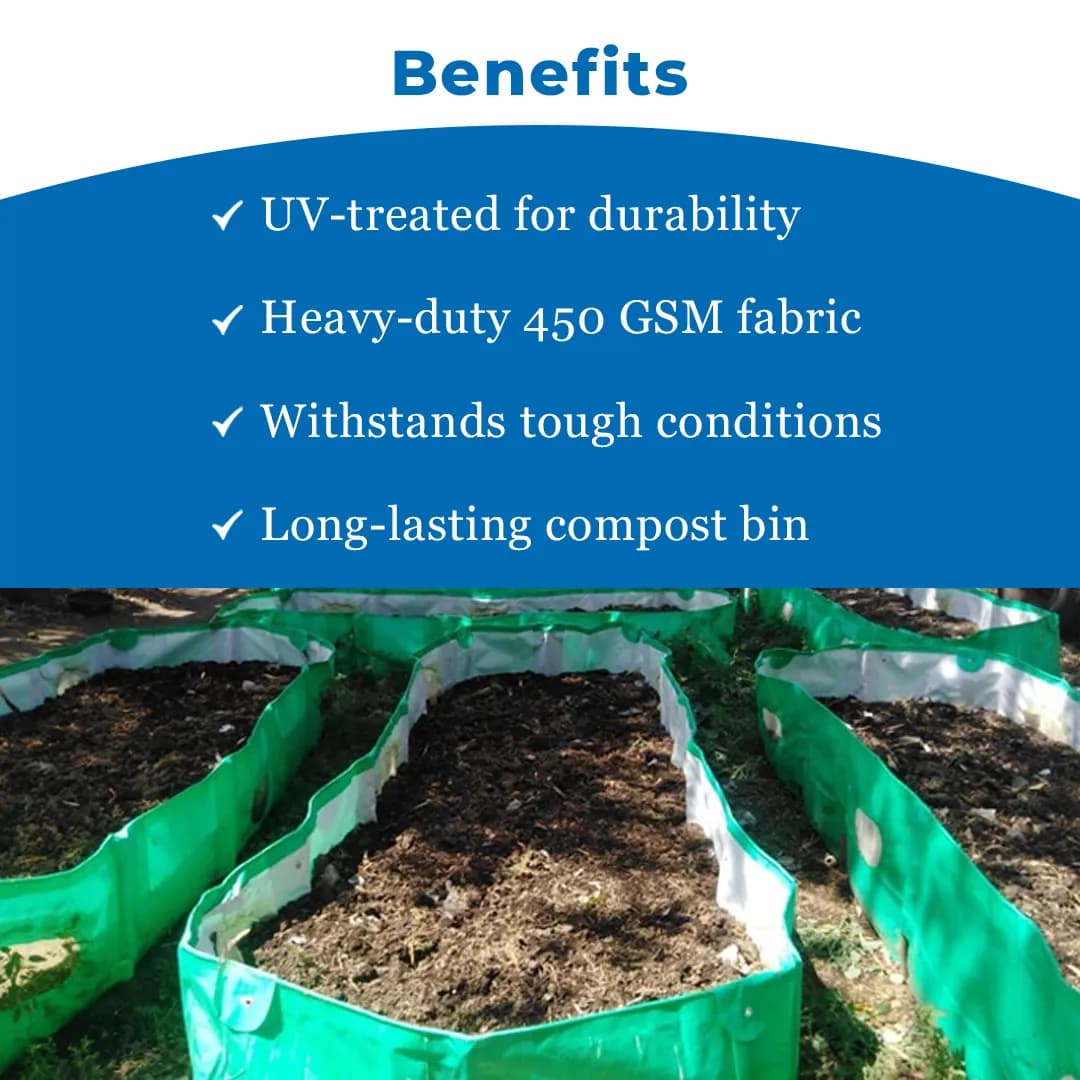
Heavy 450 GSM Build: The vermi bed 450 gsm is woven from thick HDPE fabric that holds heavy compost loads without sagging or tearing.
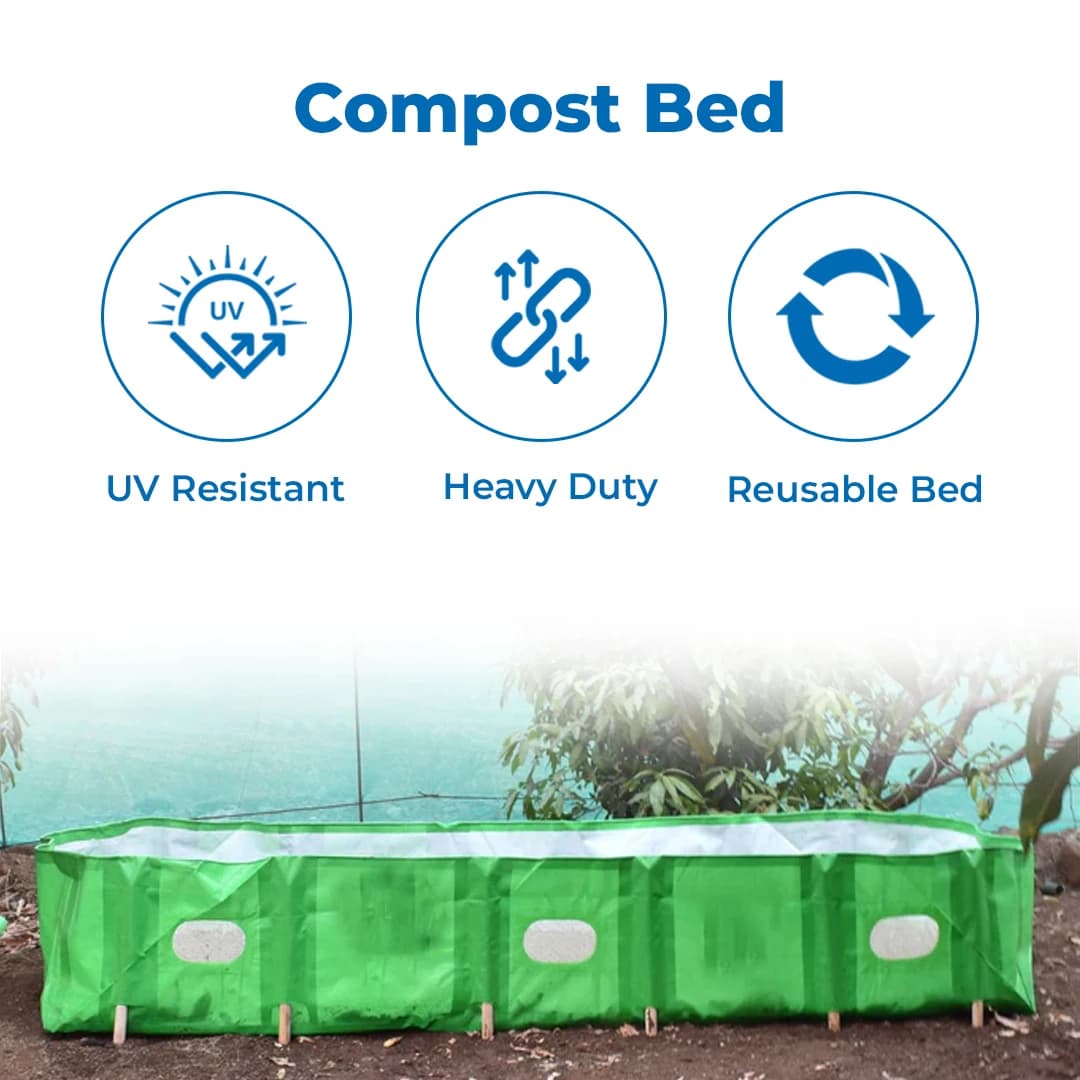
UV-Treated Body: The outer layer is UV-coated, so the bed does not fade, crack, or weaken under long hours of sunlight.
ISO Quality Material: The vermi bed is made from ISO-grade HDPE that follows strict quality checks for thickness, strength, and stitch finish.
Side Drain Holes: The vermi bed 450 gsm has small side outlets that drain extra water out, keeping the compost from turning soggy.
Reinforced Corners: All four corners and stress points are double-stitched, so the bed holds shape even when fully loaded.
Reusable for Years: A single vermi bed 450 gsm gives 3 to 5 years of regular use, with no need for replacement every season.
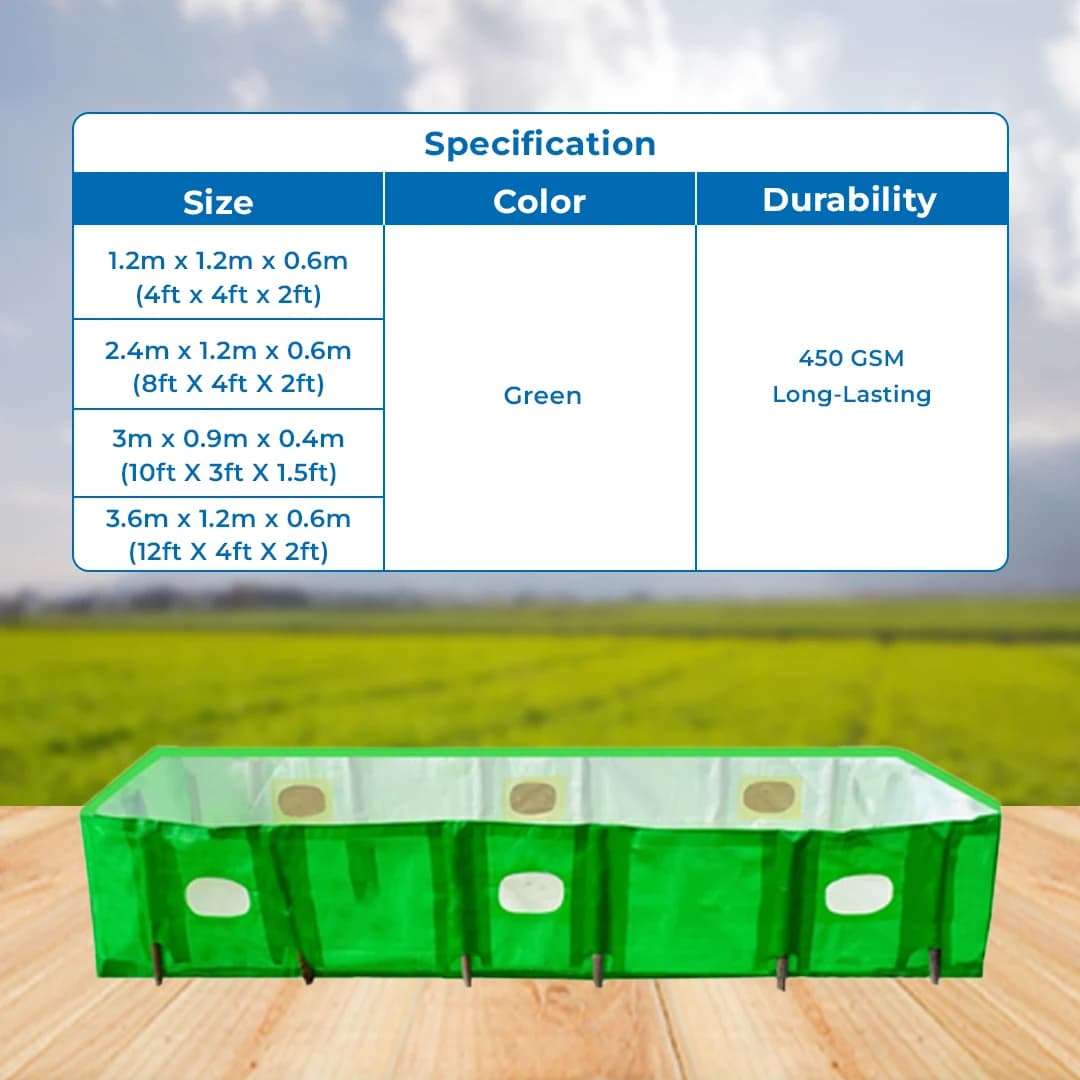
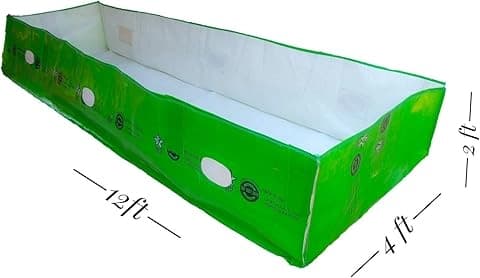
Multiple Size Options: The bed comes in different sizes from 4×4 ft up to 12×4 ft, fitting both small kitchen gardens and large compost units.
Specifications | Details |
|---|---|
Product Name | Greeno Biotech HDPE Vermi Compost Bed |
Brand | Greeno Biotech |
Material | HDPE (High-Density Polyethylene) |
GSM | 450 GSM |
UV Treatment | Yes, UV Treated |
Quality Standard | ISO Material |
Color | Green |
Size Options | 4×4×2 ft, 8×4×2 ft, 10×3×1.5 ft, 10×4×2 ft, 12×3×1.5 ft, 12×4×2 ft |
Stitching | Double-Stitched Seams with Reinforced Corners |
Drainage | Side Drain Outlets |
Service Life | 3 to 5 years |
Application | Vermicompost Making, Organic Waste Composting |
Country of Origin | India |
Pick a flat, shaded spot under a tree, shed, or open polyhouse for setting up the vermi bed 450 gsm, since direct sunlight dries the bed too fast.
Clear the ground of stones, sharp stubble, and broken roots that can damage the base of the vermi bed during compost loading.
Lay a thin layer of dry sand or straw on the ground first, then unfold the vermi bed 450 gsm flat on top to protect the base from sharp soil bits.
Open out the four side walls of the bed and stand them up at full height; the bed holds shape on its own once filled, no extra frame is needed.
Tie the corner ropes (if provided) to nearby poles or bamboo stakes to keep the side walls straight during the first loading.
Fill the bottom of the vermi bed with a 4 to 6 inch layer of dry leaves, sugarcane trash, or coconut husk to allow good drainage.
Add a 6 to 8-inch layer of semi-dry cow dung over the base, sprinkle water lightly, and let it rest for 5 to 7 days to cool down before releasing earthworms.
Release earthworms on top of the cow dung, cover the bed with a jute or gunny sack, and water the bed lightly once every 2 to 3 days to keep moisture steady.
Sprinkle water lightly on the vermi bed 450 gsm every 2 to 3 days to keep the inner moisture at the right level, but never flood the bed with heavy water.
Cover the top of the bed with a wet gunny sack or jute cloth at all times, since direct sunlight dries the compost and harms the earthworms inside.
Empty the vermi bed fully after each batch (every 45 to 60 days), shake out the side corners, and brush off stuck compost with a soft broom.
Wash the empty vermi bed 450 gsm with plain water (no soap or detergent), let it dry fully in shade, and then refold for storage or fresh loading.
Check the side drain outlets every week and clean any blocked openings, since trapped water turns the compost smelly and attracts flies.
Store the rolled vermi bed in a clean, dry shed during the off-season, raised off the floor on a wooden plank, and away from rats and termites.
Inspect the seams and corners once a month during active use, and patch small tears right away with HDPE repair tape before they grow bigger.
The compost yield depends on the bed size. A 4×4×2 ft vermi bed 450 gsm makes around 100 to 150 kg of finished compost per batch, while the larger 12×4×2 ft bed gives 500 to 700 kg per batch. A full compost cycle takes 45 to 60 days from loading to harvest, and most farmers run 5 to 6 batches a year in the same bed.
The Eisenia fetida (red wiggler) and Eudrilus eugeniae (African nightcrawler) are the two most common species used inside the vermi bed 450 gsm. Both species feed on cow dung and farm waste at room temperature, breed quickly, and finish a compost cycle in 45 to 60 days. About 1 to 1.5 kg of fresh earthworms is enough for an 8×4×2 ft bed.
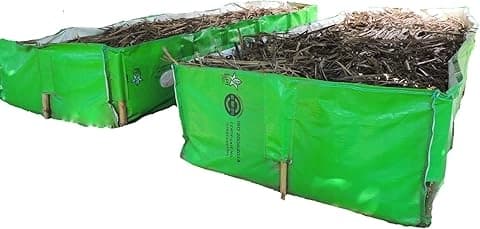
The Greeno vermi bed 450 gsm is self-standing once filled with compost material; the heavy load inside keeps the side walls upright. For the first loading, tying the four corners to bamboo stakes or wall hooks helps keep the bed shape straight. A wooden frame is not needed, but can be used for permanent indoor setups.
The GSM number shows the thickness and strength of the HDPE fabric. A 250 GSM bed is the lightest and lasts about 1 to 2 years, a 350 GSM bed lasts 2 to 3 years, and a 450 GSM bed is the strongest with a 3 to 5 year service life. The vermi bed 450 gsm also handles heavier compost loads, more rough handling, and stronger sunlight without tearing.
The vermi bed 450 gsm is UV-treated and can handle direct sunlight, but full open exposure dries the compost too fast and harms the earthworms inside. The best spot is under a tree, shed, polyhouse, or shade net where the bed gets soft light all day. For open-field setups, cover the top of the bed with a damp jute sack to keep the inside cool and moist.