Zn Global Nation 300 Micron HDPE Geomembrane Fish Pond Liner, Waterproof, Durable For Fish And Shrimp Farming
₹482₹499
Save ₹174% Off
🎉 You Save ₹2896 (33% OFF)
Buying In Bulk?
Get Special Pricing for large orders, contact us now!
| Brand: | ANIL PACKAGING |
| Product Code: | 4283 |
| Country of Origin: | India |
| Category: | Equipments |
| Sub Category: | Pond Liner |




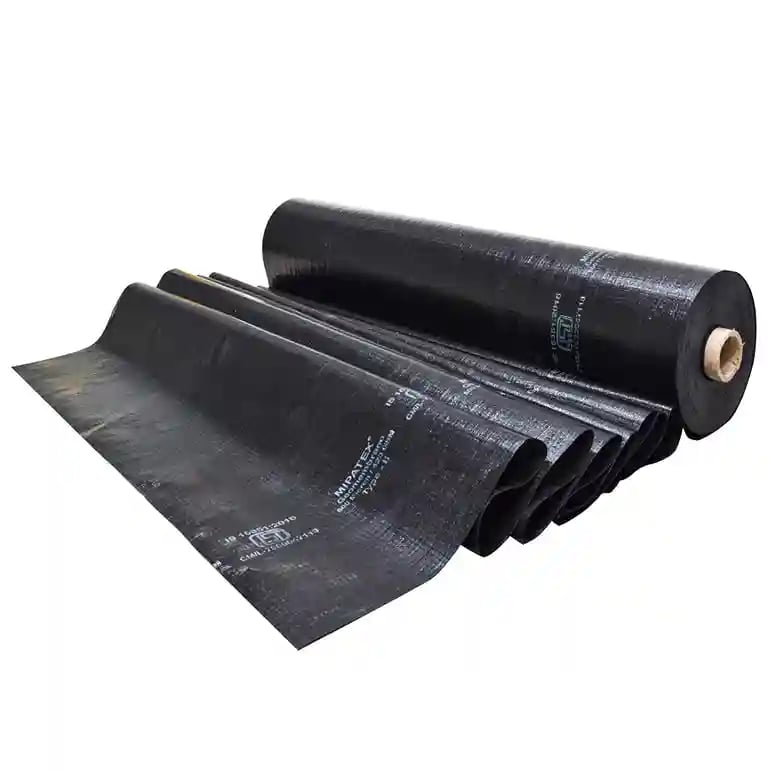
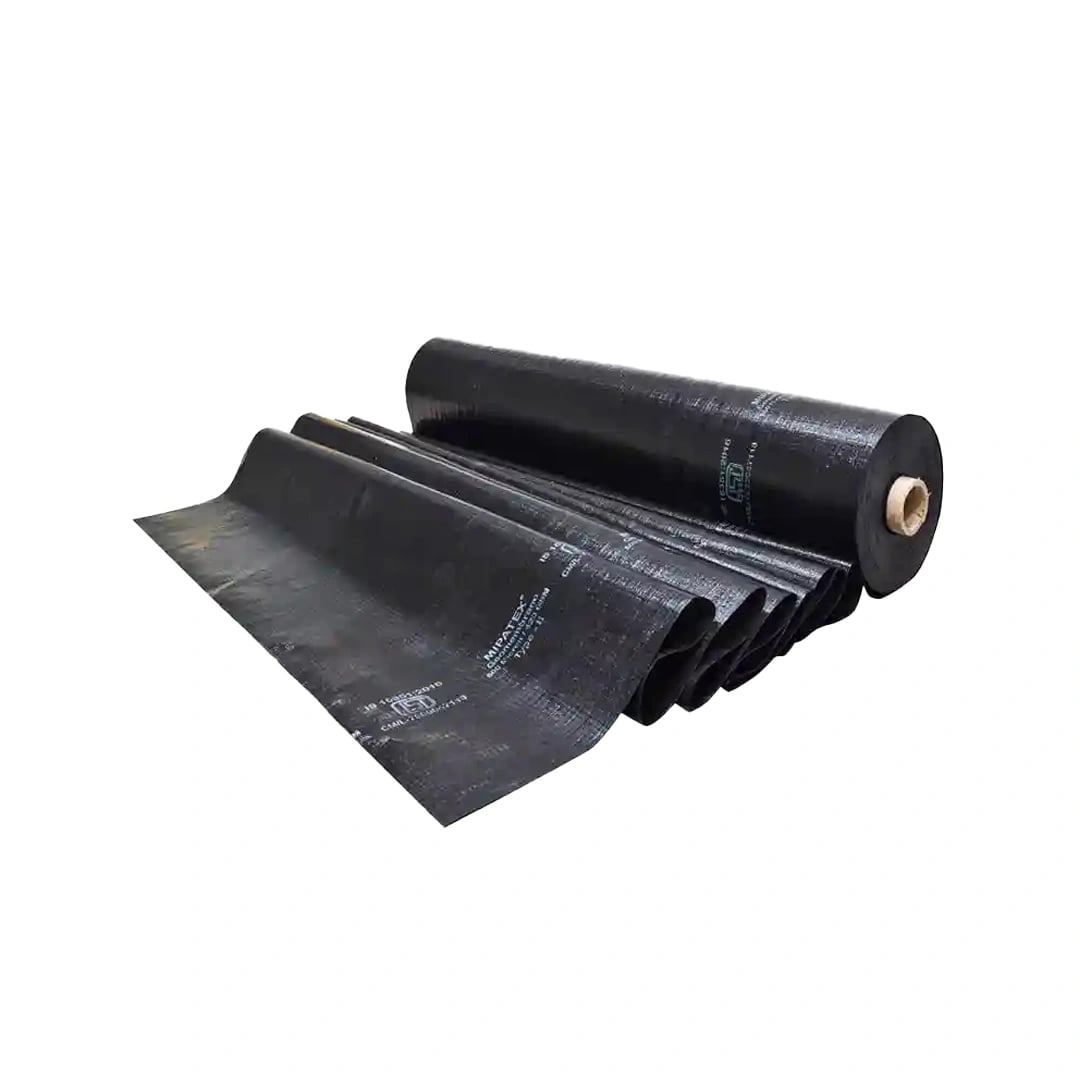
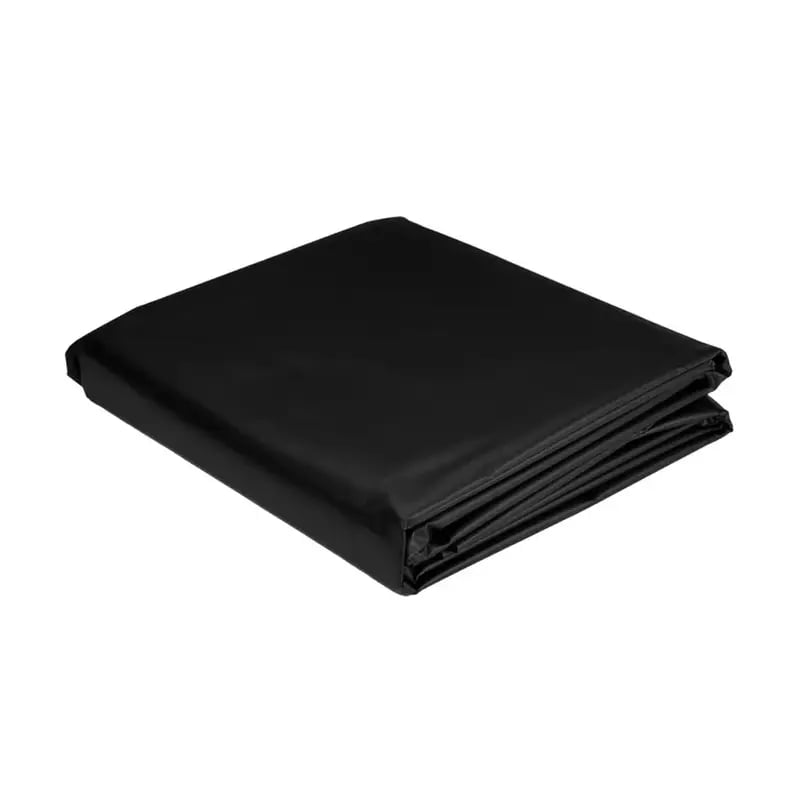
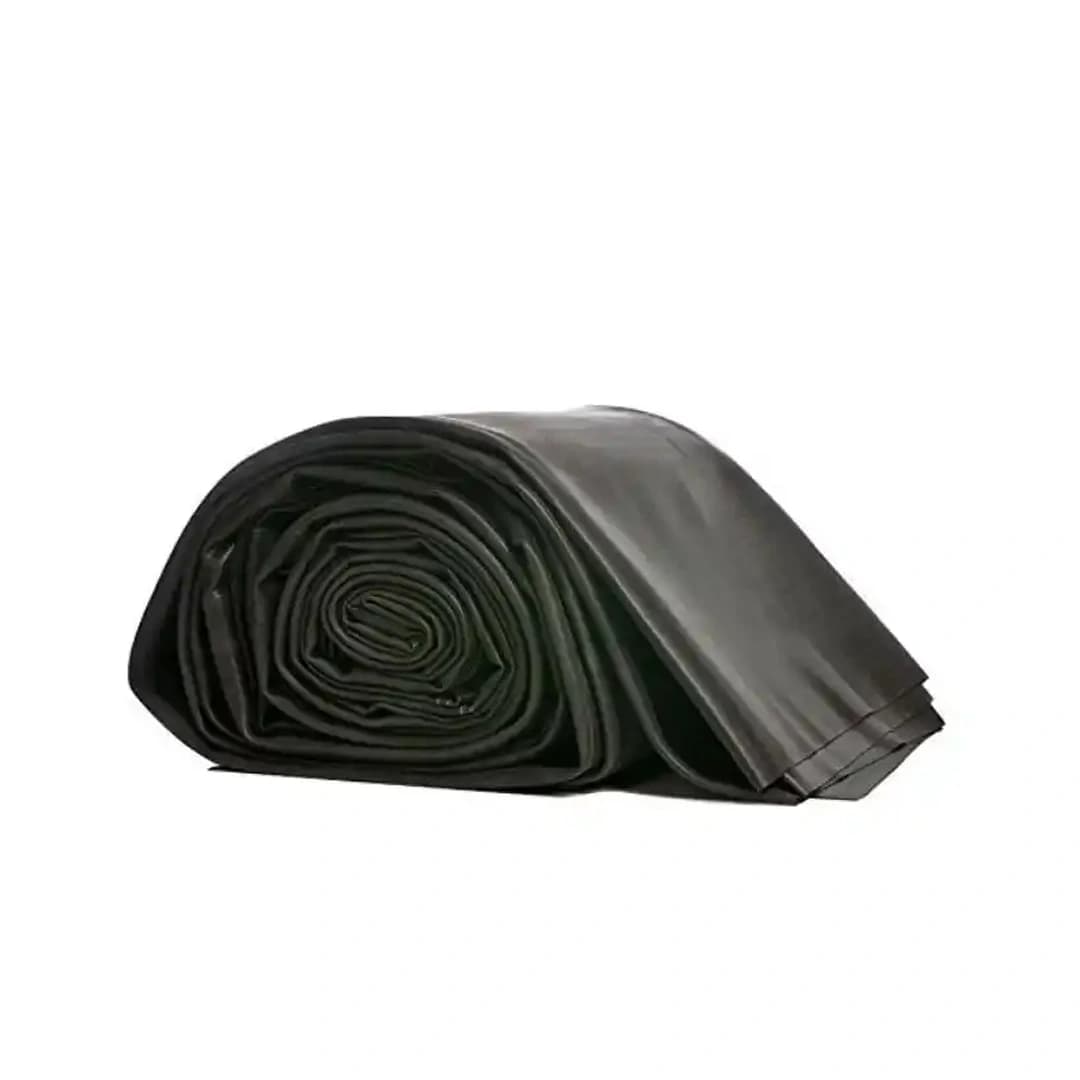
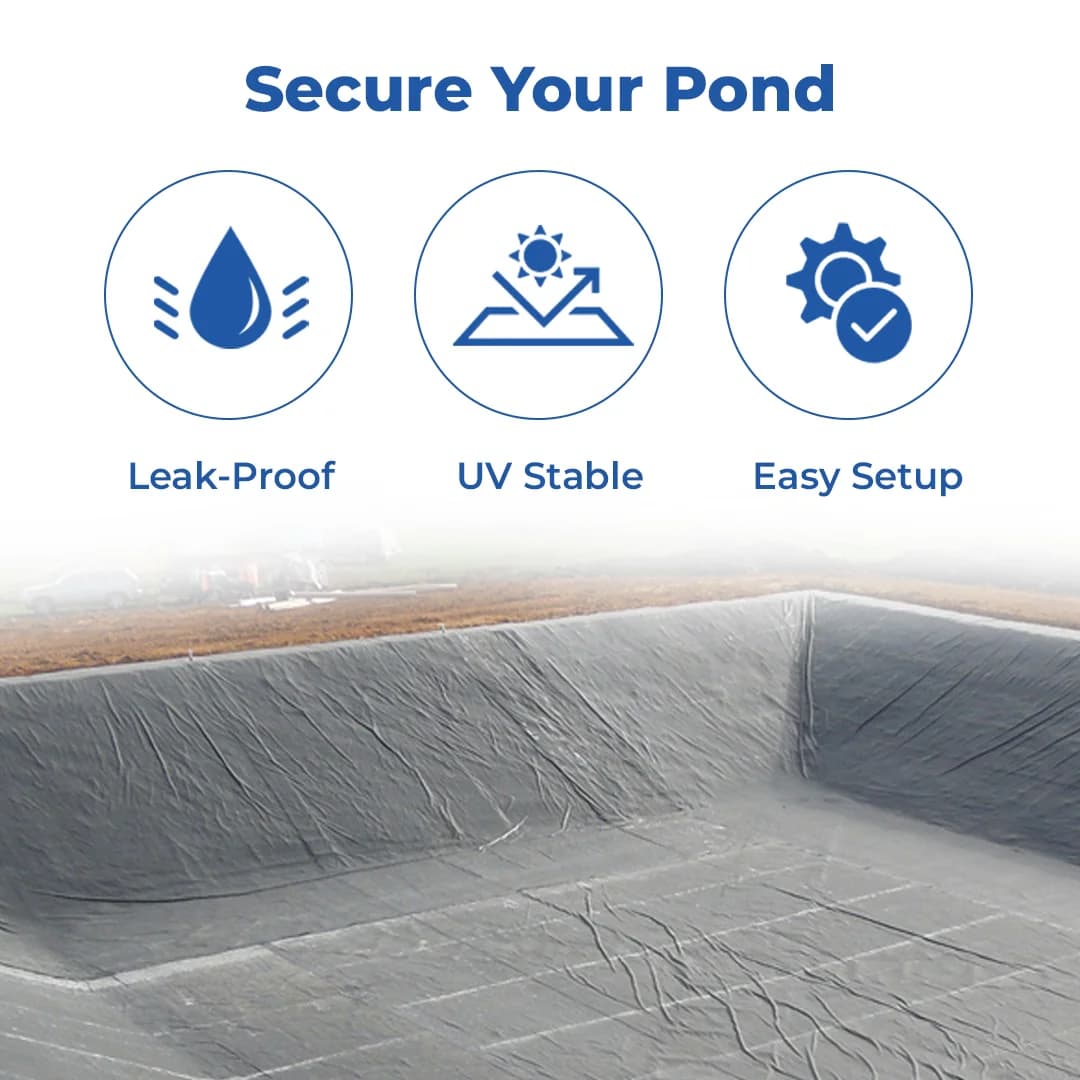
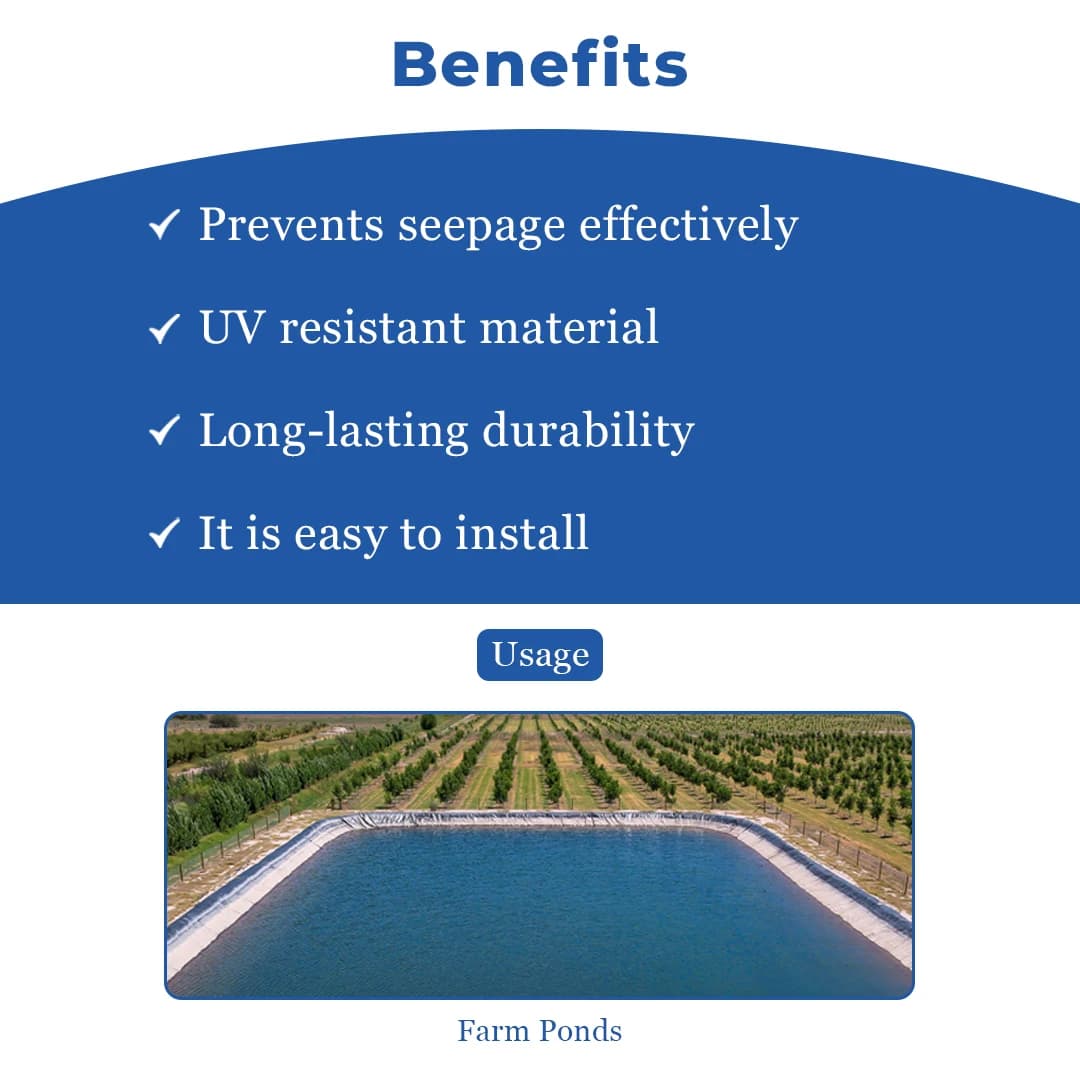
The Pond Liner is a heavy-duty HDPE geomembrane pond liner built for fish farming, aquaculture, water storage, rainwater harvesting, and irrigation reservoir construction. Available in 300, 400, and 500 micron thickness options, the pond liner is made from 100% virgin HDPE plastic with UV stabilisation, multi-layer construction, and heat-welded seams for full waterproofing. These sheets install quickly over a prepared pit, replacing expensive concrete tanks with a leak-proof, flexible barrier that lasts 10 to 20 years.
Premium HDPE Construction: The pond liner tarpaulin is made from 100% virgin HDPE plastic, giving high tensile strength, puncture resistance, and a service life of 10 to 20 years.
Multi-Layer Geomembrane: This geomembrane pond liner tarpaulin has 3 to 5 reinforced layers for full waterproofing, with heat-welded seams that stay sealed under water pressure.
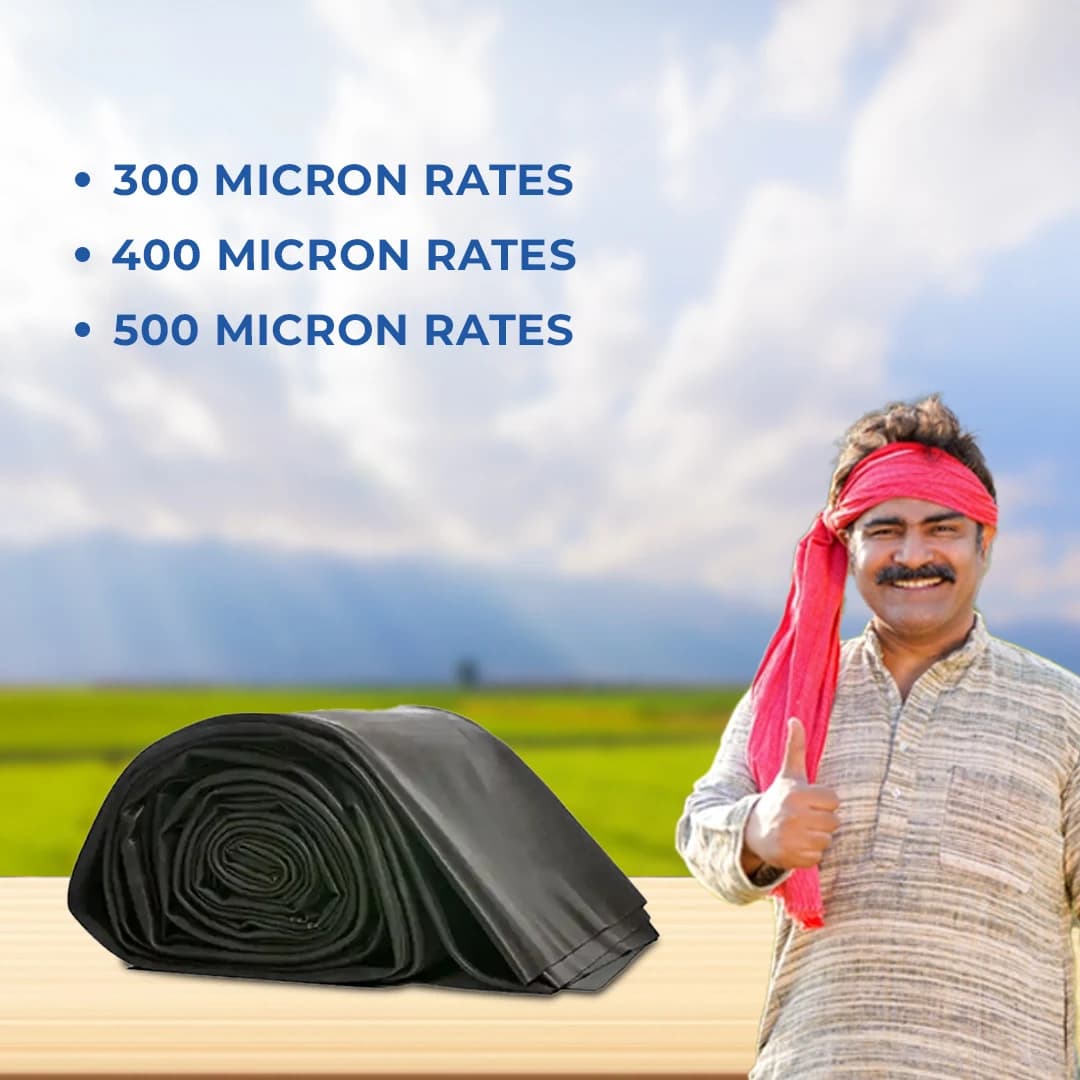
Three Thickness Options: The pond liner sheet is available in 300, 400, and 500 micron thickness — choose based on water depth, pond size, and intended use.
UV Stabilised: The pond liner sheet is treated with UV-resistant additives that resist sun damage, fading, and cracking over the years of open-air exposure.
Leak-Proof and Tear-Resistant: The pond liner tarpaulin shows zero seepage, even under high water pressure or sharp soil edges.
Versatile Application: The pond liner sheet suits fish farms, biofloc tanks, water storage, rainwater harvesting, irrigation reservoirs, and landfill covers.
Cost-Effective Alternative: A single pond liner tarpaulin replaces expensive concrete or cement tanks at a fraction of the cost and installs in just a few days.
Specifications | Details |
|---|---|
Product Name | Pond Liner (HDPE Geomembrane Sheet) |
Type | Geomembrane Pond Liner |
Material | 100% Virgin HDPE Plastic |
Thickness Options | 300, 400, 500 Microns |
Sizes Available | 7.3 m x 9.1 m |
Colour | Black |
Construction | Multi-Layer (3 to 5 layers) with Heat-Welded Seams |
UV Stabilised | Yes |
Service Life | 10 to 20 years (with proper care) |
Waterproof | 100% Leak-Proof |
Tear Resistance | High |
Common Uses | Fish farms, biofloc tanks, water storage, rainwater harvesting, irrigation reservoirs |
Country of Origin | India |
Choose a level, well-drained site for the pond, avoiding rocky ground, tree roots, or sloping terrain that can puncture or stretch the pond liner sheet.
Mark the pond outline 1 to 2 feet larger on all sides than the desired water-holding area, to allow overlap for anchoring the pond liner sheet.
Excavate the pit to the planned depth, smoothing the floor and sides; remove all sharp stones, sticks, and debris that could pierce the geomembrane pond liner.
Spread a soft base layer of sand, sawdust, or old shade net at the bottom to cushion the pond liner sheet against punctures from below.
Unfold the pond liner tarpaulin carefully and drape it over the prepared pit, leaving at least 1 to 2 feet of extra material on every side for anchoring.
Gently push the pond liner sheet into the corners and along the slopes so it lies flush with the soil contours, leaving no air pockets.
Trim the excess material around the edges using a sharp knife, leaving enough overlap for burial.
Anchor the edges of the pond liner sheet by digging a 6 to 8 inch deep trench around the perimeter, tucking the liner into the trench, and backfilling with soil.
Fill the pond slowly with clean water, checking for leaks, stretches, or wrinkles in the pond liner sheet as the water level rises.
Never lay the liner directly on rough or stony soil; always cushion the base with sand, sawdust, or geotextile fabric to prevent punctures.
Keep the liner away from open flames, welding sparks, and hot machinery, since HDPE plastic melts and burns under high heat.
Avoid sharp tools, livestock hooves, and metal stakes near the installed liners; even small punctures can grow into major leaks under water pressure.
Inspect the pond liner sheet weekly during the first month for signs of stretching, settling, or leaks, and address issues before they worsen.
Keep small children and pets away from open pond edges, as the smooth liner surface can be very slippery when wet.