Introduction
As an Indian farmer, you are likely aware that agriculture depends heavily on water. Without water, there are no crops, and without crops, income is lost. If you have a solar-powered pump then you need not to worry about monthly electricity bills or waiting for petrol or diesel availability. That is what this modern irrigation system in agriculture assures you of.
This blog will further help you understand its definition, its benefits, main challenges and the position of the technology regarding the future of farmers like you.
What is Solar-Powered Irrigation?
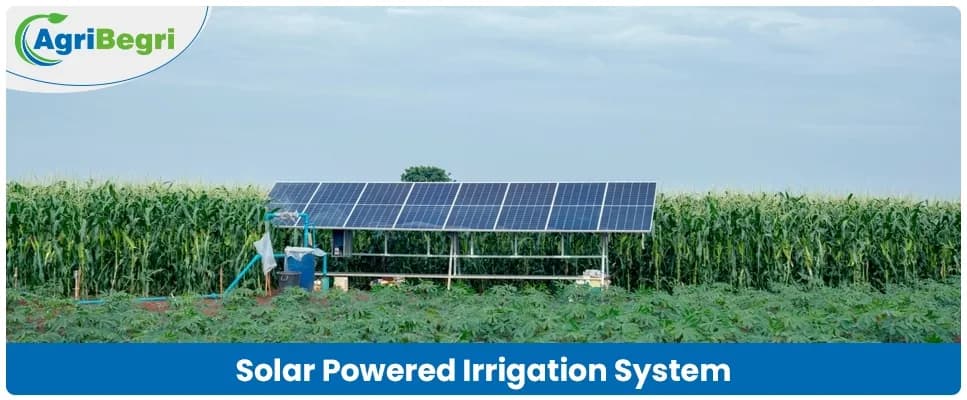
Solar-powered irrigation uses energy from the sun to pump and distribute water across farmland, reducing reliance on electricity or diesel. Solar panels capture sunlight and convert it into electrical energy. This powers the motor to draw water from sources such as underground reservoirs, canals, rivers or borewells. This thereby eliminates the need for diesel engines or grid electricity.
It signifies the freedom for the farmers of India. You are not required to pay electricity bills or be anxious about the escalation in the cost of diesel.
How Does a Solar Irrigation System Work?
At first, solar panels are put in place - either on a rooftop, or open land, or near the borewell. These panels are meant to absorb sunlight and change it into electricity. This energy is available most of the time in India where the sun is almost shining all year round.
The pumped electricity then powers a solar water pump. It is similar to your typical diesel or electric pump except that you do not have to pay for the fuel or wait for the power supply because the sun is doing all the work for you. The pump takes water from the reservoir - a borewell, a well, a canal or a pond near you.
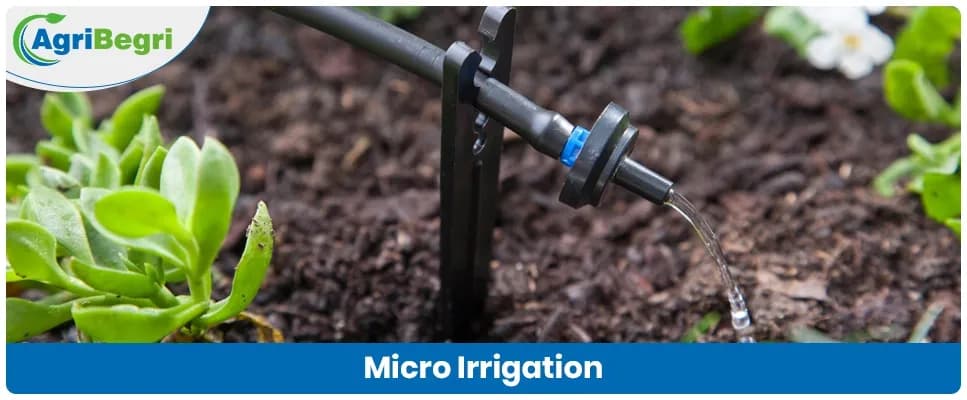
Once water is pumped, it can be directed through small canals, drip lines to deliver water directly to the roots or sprinklers that evenly distribute water like rainfall. No matter if you decide to grow wheat, rice, vegetables, or fruits, the system can be tailored to your crops.
This system is absolutely amazing because it is very simple and it does not require much maintenance. You do not have to constantly check the fuel nor pay for the electricity. Just make sure to clean the solar panels once in a while so that they can absorb the maximum amount of sunlight. After that, the system is basically self-operated.

Components of Solar Irrigation System
To understand the concept of solar-powered irrigation better, let’s break down its components into a simpler way:
Solar Panels
Solar panels are the heart of the solar irrigation system. Placed in sunlight, they convert solar energy into electricity to power the water pump. Hence, if they get more light, they can produce more of their energy.
The Solar Water Pump
This is the apparatus that takes water out directly. It can either be a DC or an AC pump. A DC pump gets its power directly from the panels. On the other hand, the AC pump needs an inverter for functioning. The depth of the well and the quantity of the water decide the kind.
Pipes and Irrigation System
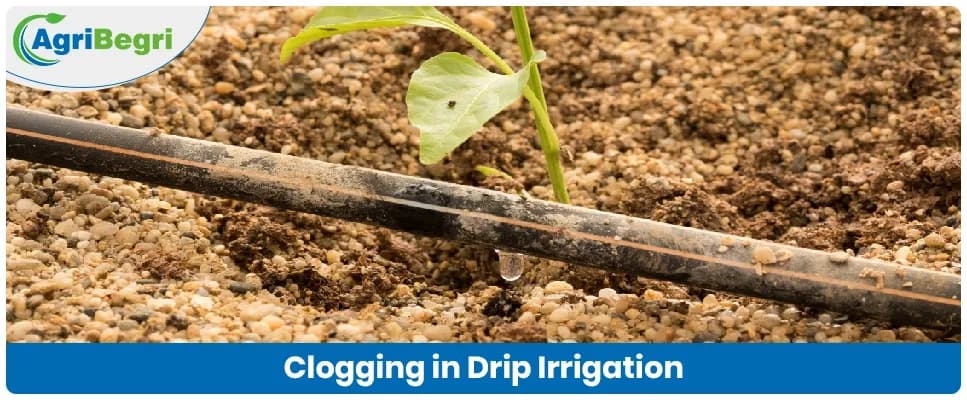
Once the water comes out, it has to reach your crops. Thus, pipes, sprinklers, or drip systems are at your service. A drip system feeds water to the roots drop by drop, whereas sprinklers distribute it as rain over the field. Farmers can decide according to their crop.
Types of Solar-Powered Irrigation System
Solar Surface Pumps
If water is simple to access near the surface of the ground, then a solar surface pump is the right device to be utilized. They find their main usage in water-lifting from rivers, canals, or ponds or shallow wells.
For farms near a village or canal, a solar surface pump can easily draw water and distribute it across the field. These simple and cost effective methods are not for use in areas where it is necessary to draw water from extreme depths.
Solar Sprinkler Systems
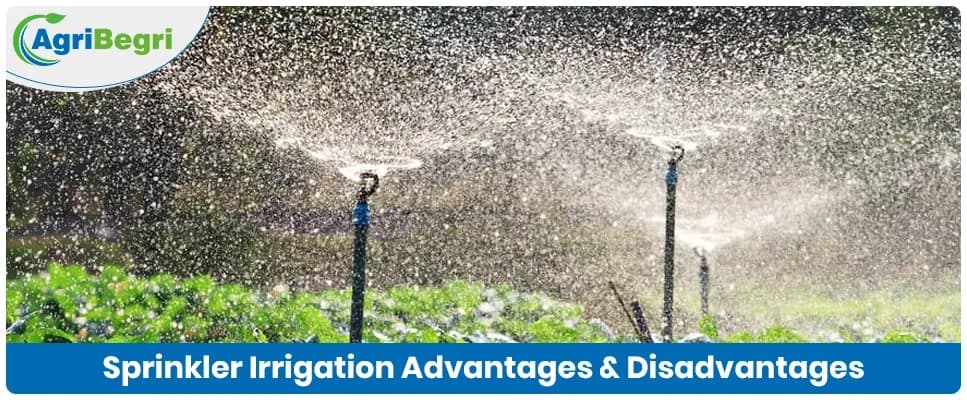
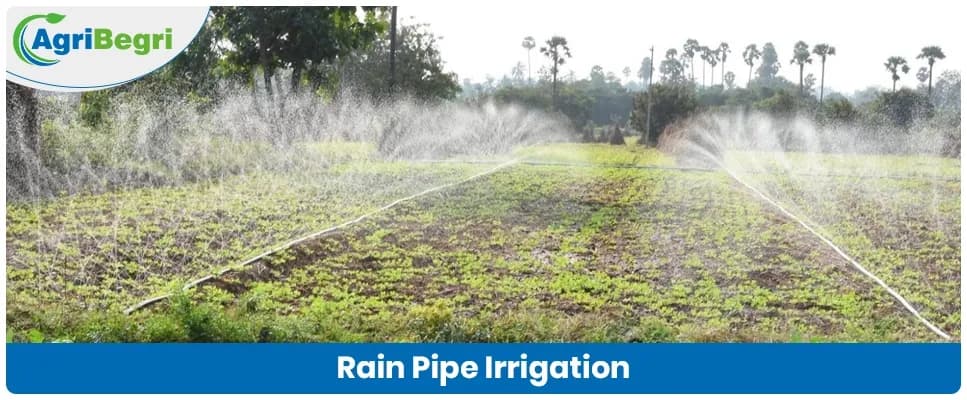
The system is designed to spray water all over the field, which is just like natural rain. It is a decent idea for huge fields and crops such as wheat, paddy, corn, or sugarcane. Those farmers who move from excessive irrigation to the use of sprinklers can easily notice the vigor of the plants and the lesser waterlogging situation.
Solar sprinklers are ideal for areas where even irrigation is challenging across large fields.
Benefits of Solar-Powered Irrigation System
Let’s have a look at the reasons as to why solar-powered irrigation system is being adopted by so many farmers:
No Electricity Bill
Solar energy is free and abundant. Once panels are installed, there are no ongoing electricity or fuel costs. For a farmer who is already struggling with low-profit, it’s a very big saving. A lot of small farmers now believe that this is the first time for them that they can farm without the fear of rising costs.
Reliable Supply of Water
For a lot of Indian villages, electricity either comes for a few hours or arrives at odd times. Farmers were then left with no other choice but to water their crops at dark, which was not only dangerous but also exhausting. However, solar irrigation has completely changed the situation. Since sunlight is available daily, farmers can irrigate crops at optimal times without depending on electricity supply.
Government Subsidies for Solar Irrigation
One important thing that the Indian government is fully aware is of the advantages that solar irrigation can bring to the farmers. Therefore, in order to encourage the use of solar- powered irrigation pumps in agriculture, there are many programs that have been launched. This includes, PM-KUSUM (Pradhan Mantri Kisan Urja Surkasha evam Utthaan Mahabhiyan) which is offering a subsidy of up to 60-70% of the total costs of the solar pumps.
Therefore, you can get a big discount. A portion of the money can be contributed by the government and banks so that not only large-scale farmers but also small and medium farmers can also get the benefits.
Challenges in Adopting Solar-Powered Irrigation
As with all other technologies, solar irrigation also has some issues. The farmers need to be aware of these problems. This will save them from having any surprises later.
High Initial Cost
The biggest challenge is the starting capital. A small portion of the money that must be spent upfront is usually covered as a subsidy by the government but the farmers are still required to bring the rest of the money which can be a problem.
Suppose a 2-acre farmer, he might not be very keen on putting up a solar powered water pump for irrigation that would cost hundreds to thousands. However, after a couple of years, the pump pays back within a few years, through savings on diesel and electricity.
Sunlight Dependence
The solar pump functions best during the bright and shining sun. On cloudy or rainy days, the power ejected may be lower. For a water consumer, this is a problem.
Modern systems often include batteries or water storage tanks, allowing irrigation to continue even during cloudy periods or at night. Gradually, this is making solar irrigation dependable in the rainy season as well.
Future of Solar-Powered Irrigation in Agriculture
The future of solar-powered irrigation in agriculture is bright. With India getting plenty of sunlight, the introduction of solar systems is a revolutionary step. Just figure out the advantages if every farmer is having a solar irrigation system, as a result, there would be no electricity and diesel consumption.
Moreover, if solar irrigation is used in conjunction with the drip system and smart sensors then the farming will be more water-efficient. The water consumption that used to go to waste will now be utilized for growing crops. However, after a few years, solar irrigation will not only be an option but it may be the trendsetter of agriculture.
Conclusion
Water is essential for the survival of the farming community in India. Solar-powered irrigation is a smart, money-saving, and eco-friendly method, which is of course, the need of the hour in agriculture. Yes, the starting cost is high, but with subsidies and long-term savings, it becomes a wise investment.
Pests, weather, and price fluctuations are already very tough challenges for farmers, but water supply is still a big problem. At least, with solar irrigation, the water can be provided more easily and safely. The sun is free, strong, and always there. So why not capture its energy for your farm?