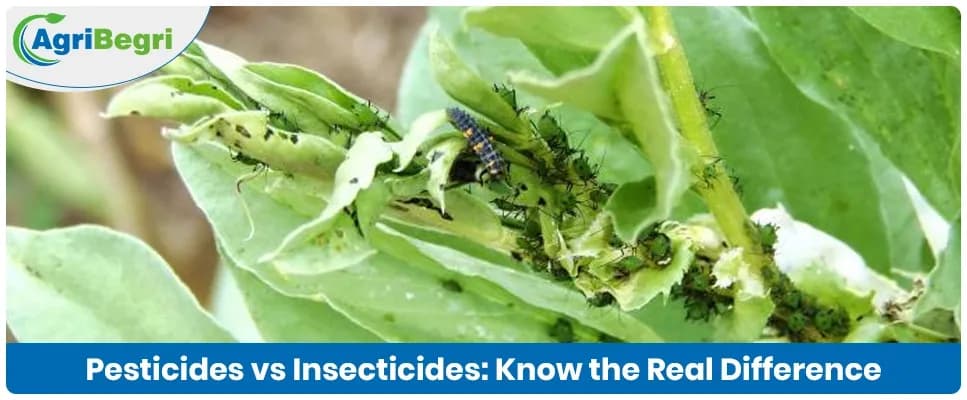
Introduction:
Just imagine that you get into your cotton or rice field at sunrise and find a multitude of caterpillars feeding on the fresh leaves. These organisms, if left unmanaged, will waste your efforts in a very short time. Such scenarios are typical for numerous Indian farmers throughout the crop season. That’s the point at which contact insecticides become the farmer’s aid.
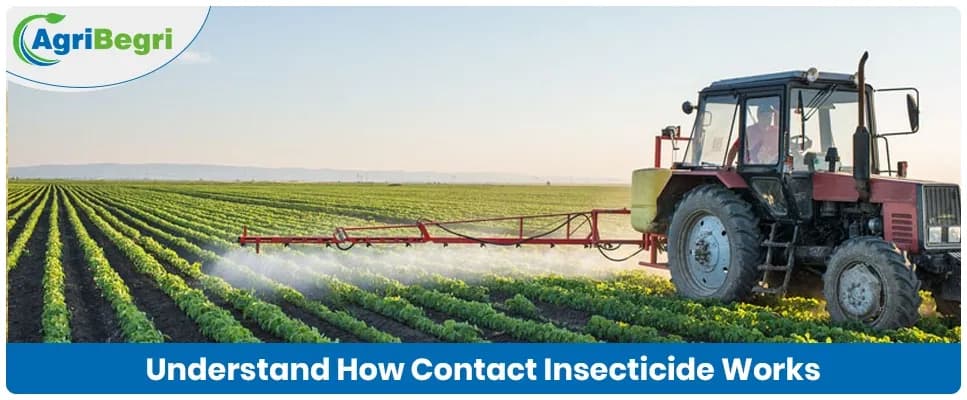
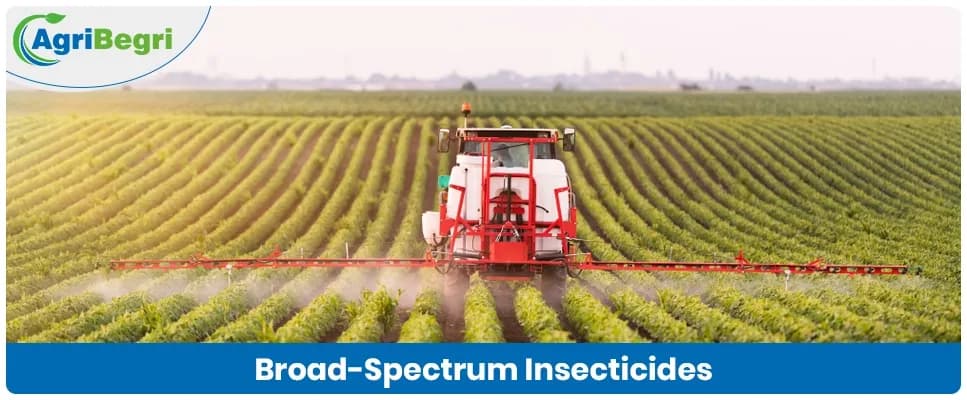
Contact insecticides are those that directly kill pests when the insects come into contact with sprayed surfaces. Fast action, easy accessibility, and a broad spectrum of insecticides are some of the characteristics they possess. Here, we will learn about their mechanism of action, along with their advantages, familiar instances, safety precautions, and the best ways to utilize them effectively.
What is Contact Insecticide and How Does It Work?
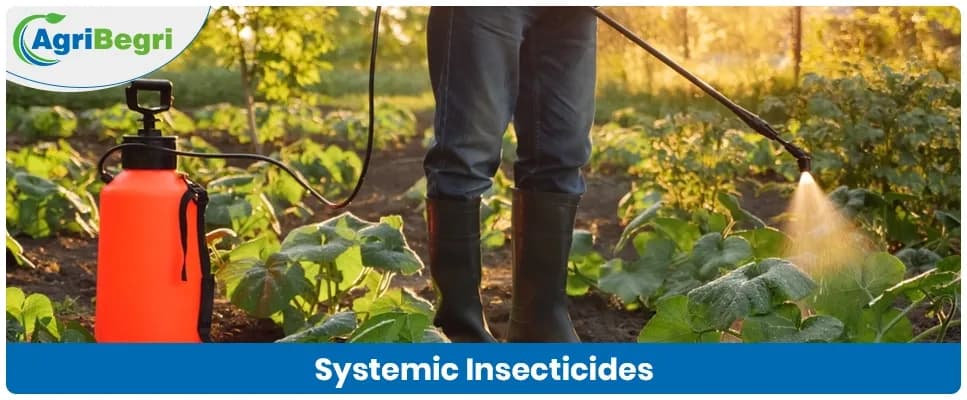
Contact insecticide is a pest control chemical that kills insects when they directly touch treated surfaces. Unlike systemic insecticides, which are absorbed by plants and kill pests through feeding, contact insecticides remain on leaves, stems, and soil surfaces. If an insect is crawling, landing or feeding on the surface that has been treated by a spray, it will affect the whole process. The chemical will enter the insect body through the cuticle and interfere with the functioning of the nervous system or respiration.
For example, if a caterpillar touches a cypermethrin treated leaf, it’ll die shortly after the chemical enters its skin. This attribute of contact insecticides makes them very potent in fighting leaf-eating caterpillars, beetles, aphids, and other ground-based pests that attack the visible part of the plants directly.
Common Examples of Contact Insecticides Used in Agriculture
Most of the farmers use the below contact insecticides:
Cypermethrin
This insecticide works very well against the caterpillars, leaf-eaters, and sucking insects. In cotton, vegetables, and chilli crops also it is used. It gives quick and reliable results.
Chlorpyrifos
The usage is mainly in paddy and this organophosphate is the stem borers, leaf folders, and other pests’ agent of control. This has been a trusted choice for many years in rice growing areas.
Malathion
Fruits and vegetables are sprayed with it to control the fruit flies and the sucking insects. It is thus one of the major insecticides for horticulture because of its uniqueness and effectiveness.
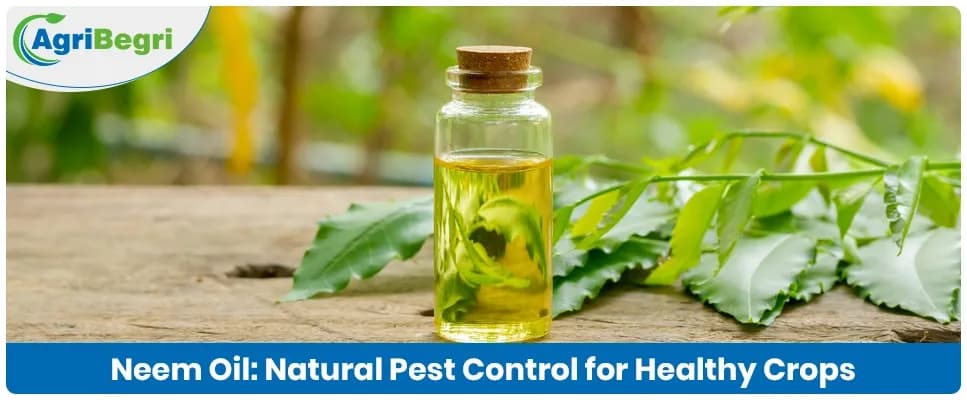
Neem Oil like Botanical Options
Neem oil is one of the safest contact sprays. They are also used in the growth and feeding of insects. With time, pests become weak, and eventually stop causing damage. This thereby makes them a farmer-friendly and eco-safe option.
What are The Benefits of Contact Insecticides For Farmers?
Contact insecticides have multiple benefits for Indian farmers, and those in particular are easy to explain in the case of sudden pest outbreaks:
Fast Action
These insecticides kill pests quickly. When in contact with the sprayed leaves or stems of the plants, the insects die in a short span of time. This way farmers can rescue their crops before the destruction gets too large.
Immediate Visibility
The effect is visible in the first few hours itself. The farmers can easily see the insect count on the plants is lower as insects have less crawling or feeding opportunities. The visible effect is a sign that spray works.
Affordable and Easily Available
Majority of the contact insecticides are budget-friendly and can be found in almost every agri-input store. They are also accessible in small packs from which small and marginal farmers can take complete advantage. Without waiting, even farmers in small towns or villages can get access to them.
Flexibility
They are usable at the time of a pest outbreak. On the contrary, systemic insecticides need some time to get inside the plant, contact insecticides to work from the outside and offer quick protection.
Limitations and Safety Concerns with Contact Insecticides
Even though contact insecticides are highly effective, the farmers must know that these chemicals also have some drawbacks and edges of danger: Limited Protection Time. Chemicals sprayed on leaves or stems can be removed by a downpour, irrigation, or heavy watering.
However, their effectiveness can be affected by intense sunlight. Therefore, farmers reapply the spray after a rain to ensure their crops are safeguarded.
Resistance Pests
The situation where resistance in pests occurs is if the same insecticide is used continuously. As a result of this, some pests may become resistant to the chemical, and eventually, that insecticide will be less and less effective until it becomes practically useless and pests may survive even after spraying.
Non-Target Effects
The use of contact insecticide may lead to killing those insects which differ from pests and are, for example, bees, ladybugs, and other natural predators. These creatures are tiny pollinators and a natural force that keeps the balance of nature by controlling pest populations.
Farmer’s Health Risks
In the case of direct exposure during spraying, the situation may be that the affected person can experience problems with skin, eyes and breathing. At times, it may be the cause of poisoning too. Hence, farmers must always be equipped with masks, gloves, and protective clothing to be safe.
Best Practices for Effective Contact Insecticide Application
Farmers need to be motivated to use this method efficiently to reap the best benefits and minimize the associated risks.
Right-Time Spraying
Early morning and late evening are the best times as the chemicals last longer and the sealing bees are less active. It is very important for you to spray at the right time in order to get the best results.
Weather Conditions Checking
If it is going to rain or the wind is too strong, do not spray. The chemical can be washed off by the rain and the wind can blow the spray to a place that you did not intend.
Good Coverage
Those insects which are in contact with the insecticides should be sprayed on the front and back of the leaves while the stems should be impregnated with the spray.
Dosage Instructions
Always use the dose that is recommended on the label.overdosing doesn’t lead to the product effectiveness but can cause harm to crops and soil.
Rotate Chemicals
Avoid using the same insecticide repeatedly. Switch between different chemical groups to prevent pest resistance.
Conclusion:
Contact insecticides, which act directly on pests, are still among the most powerful tools through which Indian farmers can save their agricultural products from sudden, invasive pest damage.
Their quick, impaired cell death, universal accessibility, and reasonable prices are comforting to them in their daily work. By using the correct methods of application, like spraying at the intended time, chemically rotating substances, and also mixing with eco-friendly measures. Farmers can both extract maximum utility from contact insecticides and guarantee soil and crop health in the future.