Introduction:
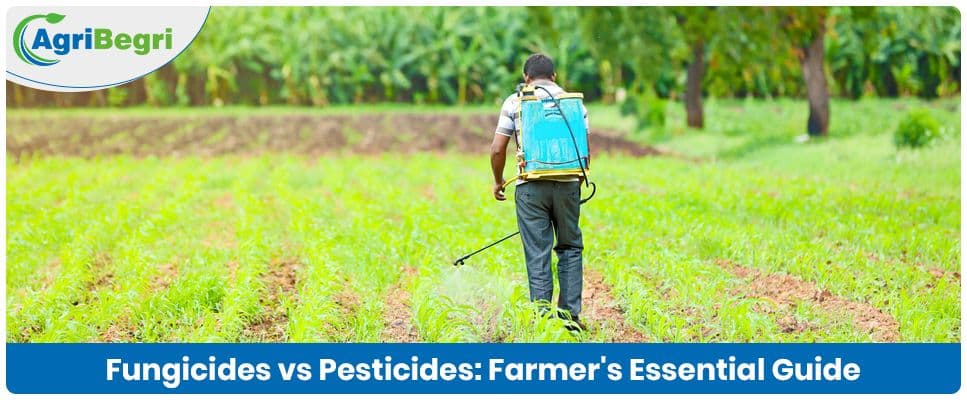
All farmers are aware that pests and diseases are major problems that can ruin a crop. But this is where it becomes tricky; most people confuse pesticides with fungicides. In clear terms, pesticides are the larger group that deals with solutions that combat insects, weeds, and fungi.
Fungicides are a subgroup of pesticides, designed specifically to prevent fungal infections like rust, blight, or mildew. By understanding these distinctions, farmers can select the appropriate product for the specific issue at hand. This helps them save money, protect their fields more effectively, and practice safe farming.
What are Fungicides and How Do They Work?
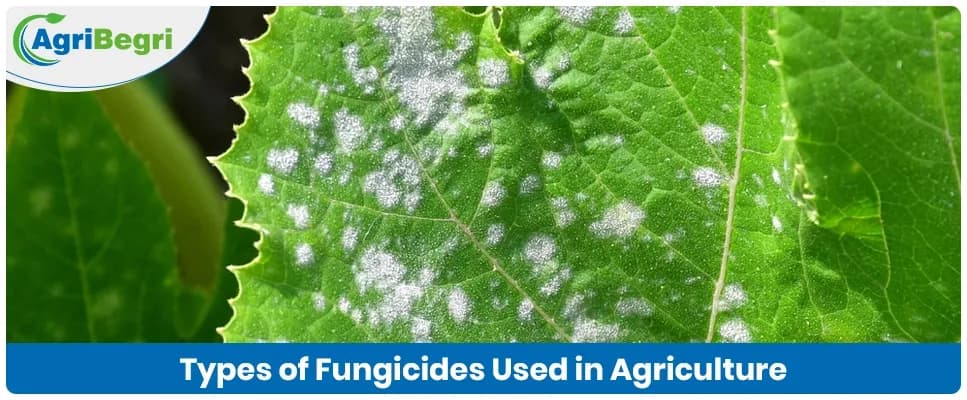
Fungicides are chemicals or natural substances that are specific in preventing, controlling, or destroying fungal diseases that affect crops. Fungi, including rust, blight, powdery mildew, and downy mildew, may propagate rapidly in the field, harming leaves, stems, flowers, and fruits. When not treated, they may drastically lower the crop quality and yield, causing losses to farmers.
There are synthetic and biological (natural) fungicides. Manufactured compounds that are directed towards particular fungi by disrupting their growth or reproduction are known as chemical fungicides.
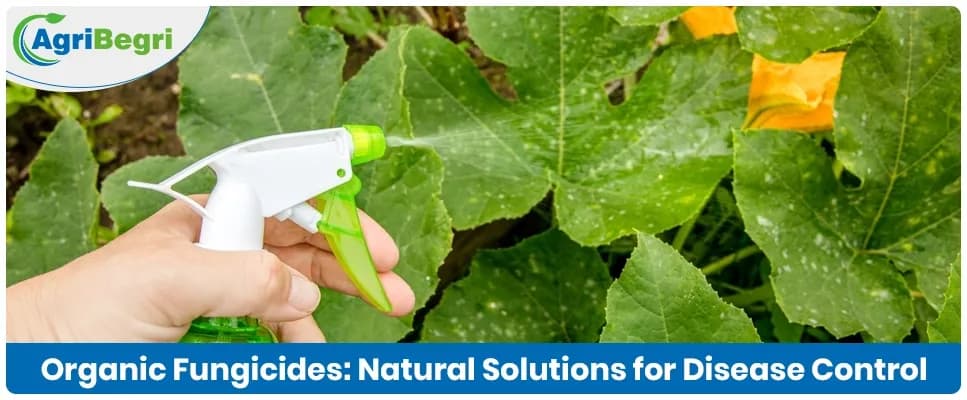
Biological fungicides use beneficial microorganisms or plant extracts to inhibit fungi without harming crops or the environment. Fungicides have the potential to facilitate sustainable agriculture when used in a responsible manner, minimizing loss of crop and protecting the environment.
How Do They Work?
Fungicides work like medicines for plants. When a fungus attacks a crop, fungicides either stop it from growing or kill it completely. Some fungicides stay on the plant’s surface and act like a protective shield to prevent spores from entering. Others go inside the plant and move through its tissues, protecting it from the inside. This helps farmers to keep crops safe from common fungal diseases like rust, mildew or blight.
What are Pesticides and How Do They Work?
Pesticides are chemical or biological substances used to control, repel, or kill pests that can harm crops, livestock, or stored food. The term 'pest' primarily encompasses insects, weeds, fungi, rodents, and other organisms that can harm agricultural productivity and human health.
By controlling these pests, pesticides help farmers to prevent crop damage, reduce losses, and enhance overall yield. It comes in various forms, like sprays, powders, and granules.
In addition, it can be chemical-based or made from natural and biological sources. The primary goal is to ensure high-quality crops and improve overall yield.
How Do They Work?
Pesticides work by protecting crops from harmful pests, such as insects, weeds, or fungi. When applied to plants, soil, or seeds, it either kills pests directly or stops them from growing and spreading. This helps farmers maintain healthy crops and achieve better yields.
Fungicide Vs Pesticide: Understand the Core Difference Between the Two
A quick comparison of fungicides and pesticides helps you to understand which one is the more reliable approach based on the specific challenge during the farming process:
|
Feature
|
Fungicides
|
Pesticides
|
|
Definition
|
Fungicides are chemicals and natural agents utilized to prevent, control or eliminate fungal diseases in plants.
|
Pesticides are a broad category of chemicals or agents used to control various pests like insects, weeds, fungi, rodents and nematodes.
|
|
Purpose
|
It helps in protecting crops from fungal infections like rust, blight and mildew.
|
It helps in protecting crops from insects (insecticides), weeds (herbicides), and rodents (rodenticides).
|
|
Target
|
Fungicides largely target fungi.
|
Pesticides can target insects, fungi, weeds, rodents, and other pests based on their specific type.
|
|
Mode of Action
|
It creates a protective layer (contact) or works from inside the plant (systemic) to stop fungal growth.
|
It works in diverse ways based on its type, like killing, repelling or inhibiting pest growth or reproduction.
|
|
Application
|
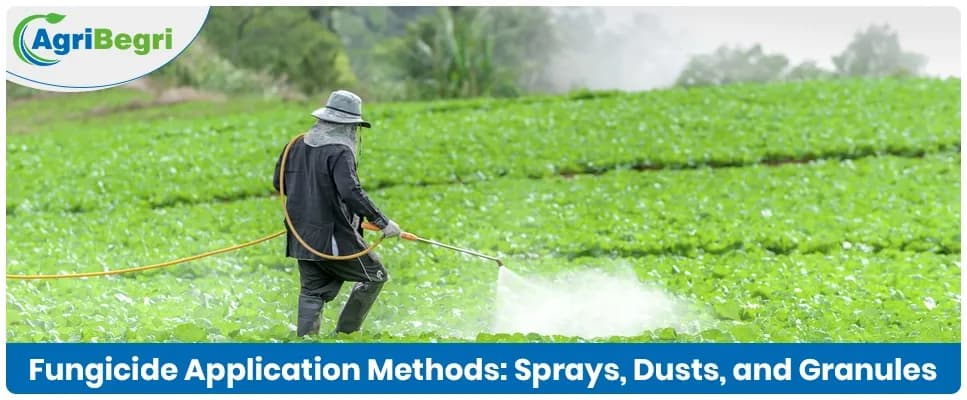
It is usually sprayed on stems, leaves or fruits. It is even sometimes used as a seed treatment.
|
It can be applied based on pest type, with diverse methods like spraying, dusting or use in baits/traps.
|
|
Examples
|
Mancozeb, Copper Oxychloride, Azoxystrobin, Sulfur
|
Imidacloprid, Malathion; Herbicides: Glyphosate; Fungicides: Mancozeb
|
|
Frequency of Use
|
It can be applied preventively or during the early signs of fungal infection.
|
It is used when pests are detected or employed as a preventive measure based on the type of pest and crop.
|
|
Environmental Impact
|
It can be harmful if overused. It also requires careful application to avoid resistance.
|
The environmental impact can vary; some can harm beneficial insects, soil or water if misused.
|
When to Use Fungicides and Pesticides in Agriculture?
Fungicides and pesticides can be used based on the crop type and yield problems. By considering the necessity, farmers can select the specific remedy.
Fungicides Can be Used in Agriculture in the Following Scenarios:
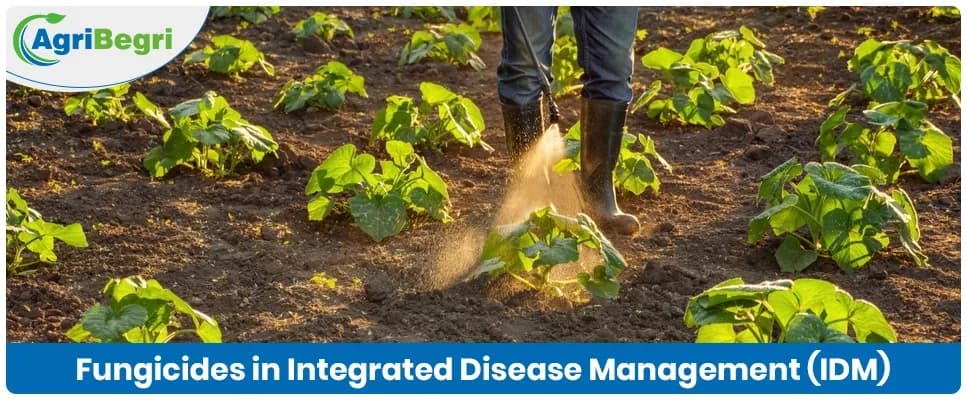
Fungicides are specifically used to control fungal diseases that can damage crops. Its utilization is highly dependent on both crop condition and environmental factors. Farmers can even use fungicides for preventive and curative measures:
- Fungal spores multiply rapidly in humid or rainy weather, so preventive fungicide sprays are often applied before infections appear.
- For crops such as wheat, rice, grapes, or vegetables, preventive spraying during the flowering and fruiting stages is crucial, as fungi can destroy flowers and cause fruit rot.
- If you notice early disease symptoms, such as powdery spots, rust patches, leaf blight, or fruit rot, take immediate action by applying the necessary fungicide.
- Crops are more vulnerable to fungal attacks during flowering, fruiting, or grain-filling stages. Preventive fungicide applications at this point help farmers protect their yield.
- In addition, farmers can apply fungicides preventively in areas where diseases like rust and blight are frequently present.
Pesticides can be used in Agriculture in the Following Scenarios:
Pesticides are used to manage a broad range of pests, including weeds, insects, nematodes, and rodents. Its timing highly depends upon pest activity and crop risk levels.
- When the pest population is high enough to cause economic damage, applying pesticides at this stage helps farmers to prevent major yield loss.
- Detecting insects, such as aphids, jassids, whiteflies, or caterpillars, at the early stage of infestation and using pesticides to control them before they multiply.
- During the seedling, flowering, and fruit-setting stages, the plant is at high risk from pests. Spraying pesticides during these stages helps farmers ensure better protection and save the crops from loss.
- When weeds compete with crops for water, sunlight, and nutrients, herbicides can be applied to protect yield.
Farmers can use fungicides to prevent or control fungal diseases, particularly in damp weather or during vulnerable stages of crop development.
In addition, pesticides can be used when insects or pest populations endanger crop health and exceed economic thresholds or when weeds compete with crops.
Conclusion:
Fungicides and pesticides both play a crucial role in protecting crops, but they target different threats. You, as a farmer, can use the specific form of fungicides or pesticides to ensure a good yield. While fungicides specifically fight against fungal disease. On the other hand, you can use pesticides to protect your crop from insects, weeds, and other harmful organisms.
For you, understanding the major difference between both can help in making informed decisions to ensure crop health, improve yield, and minimize chemical usage. By selecting the right solution at the right time, you can achieve better yields while maintaining soil health through sustainable practices.