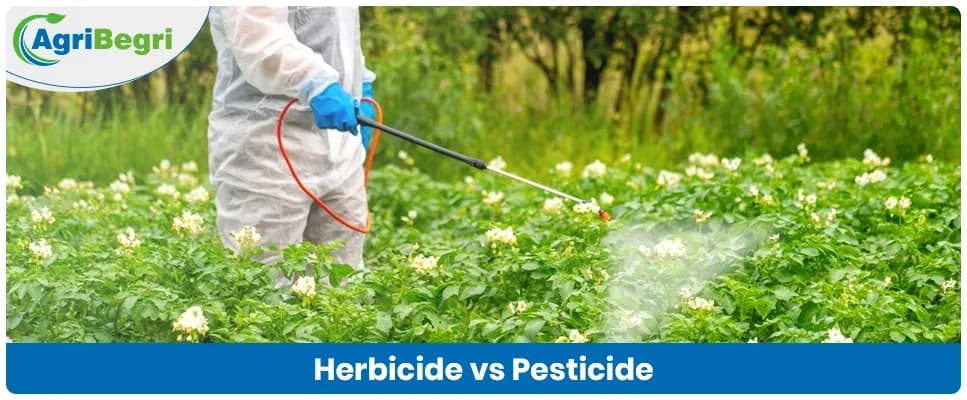
There is a complex and diverse range of chemicals on the market, with overlapping subtypes at times. Some are applicable to pests that destroy commercial crops by feeding on them, and they are pesticides. Some are effective on the parallelly growing weeds that indirectly affect the commercial crop, and are called herbicides. Today, farming depends on tools, tactics, and planning. A lot of it focuses on improving the yield, but the other part also involves protecting the harvest. Within these protective tools, a range of herbicides and pesticides exists. You may have heard these terms, often together, but they are different from one another. If you can understand the difference between herbicides and pesticides, then you can make well-informed choices. Wrong choices often lead to crop loss, waste of resources, and damaged soil health.
However, through this blog, we will understand the core difference between herbicides and pesticides in an easy-to-understand manner so that you can apply the most suitable product to your valuable crops.
What are Pesticides?
Liquid compounds designed to kill pests, such as insects, bugs, and viruses, are called pesticides. They can be synthetic chemicals or natural compounds, made with the intention of controlling the adverse effects of pests, such as crop loss due to disease, the spread of infection in neighboring farms, or a weaker yield. In modern-day farming, pests don't necessarily mean insects, but all living organisms that pose a threat to the yield.
Types of Pesticides in Agriculture
Insects, fungal growth, rodents, and even bacterial presence could all be considered pests. Due to the wide range of pests, pesticides can be categorized based on their specific effects.
- Insecticides: These pesticides target insects such as caterpillars, aphids, or whiteflies.
- Fungicides: These pesticides control fungal diseases, like rust and blight. They are extremely useful for cultivating crops like wheat, paddy, and vegetables.
- Rodenticides: As the name suggests, they target mice and rats, which can infest grain storage facilities.
- Bactericides: Used less frequently, but these can ward off harmful bacteria that affect the crops.
Therefore, the term “pesticides” is more of a broader umbrella term under which herbicides exist. If you understand this simple fact, you already grasp the distinction between herbicides and pesticides, which in turn leads to increased profits and healthier yields.
“Liquid compounds designed to kill pests such as insects, bugs, viruses, etc, are called pesticides. Herbicides are a special category of pesticides that are specifically designed to curb weeds.”

What are Herbicides?
As discussed above, herbicides are a specific category of pesticides that target weeds. Weeds can be a danger to your harvest. They occupy the same soil, consume valuable resources that are meant for the commercial crop, and starve the profitable crop of sunlight and water.
For example, in paddy (rice) cultivation, weeds such as Echinochloa reduce yields if left uncontrolled. If you were to use an appropriate herbicide in this situation, it would kill or control Echinochloa without affecting your paddy yield.
Types of Herbicides
Herbicides are different from the rest of the sub-category of pesticides. Other pesticides target insects, disease, and pests, while, herbicides, on the other hand, focus on plants that shouldn't be in the field of cultivation. You can use herbicides during the crop growth stages when the weed pressure is the highest.
Not only that, but Herbicides are also further divided into two groups, namely, pre-emergent herbicides and post-emergent herbicides, depending on the time of application.
Pre-emergent herbicides:
These are used before the weeds can emerge from the soil. Generally, this chemical can be mixed well into the soil and is used as a protective measure during the sowing phase.
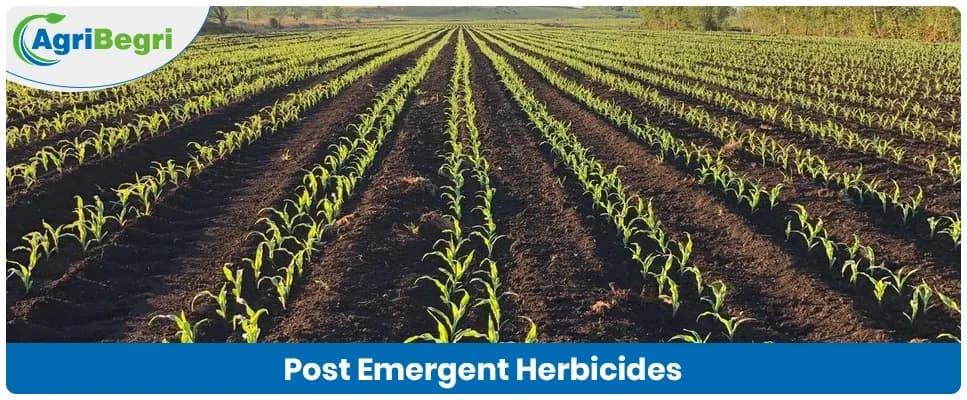
Post-emergent herbicides:
Post-emergent herbicides are applied after weeds have emerged. Once spotted, they are applied directly to the weed plants to terminate them. This entire expansion and specific usage of herbicides make them specialized among the large umbrella of pesticides.
Difference Between Herbicides and Pesticides
Let's look at the main parameters in order to understand the difference between herbicides and pesticides.
|
Detail
|
Herbicides
|
Pesticides
|
|
Definition
|
It is a chemical or natural composition used to kill or control harmful weeds and unwanted grass in agriculture.
|
It is a chemical or plant-derived product that can be used to reduce pests in crops.
|
|
Target
|
Targets a wide range of weeds and grass
|
Targets a broad range of pests, insects, diseases, etc.
|
|
Used For
|
Broadleaf weeds, grassy weeds
|
Blights, Rust, Wilt, Aphids, etc.
|
|
Types
|
Pre-emergent
Post-emergent
Selective
Non-Selective
|
Insecticides
Fungicides,
Rodenticides,
Herbicides
|
|
Benefit
|
1) Kill and reduce weed growth,
2) Allow crops to consume nutrients, water, and sunlight
3) It can be used to clear land
|
1) Reduce insect and pest attacks
2) Increase crop protection and yield
3) Boost crop health and safety
|
Herbicide vs Pesticide: Choose the Right Solution for Your Crop Problem
Now that you understand the basic difference between the two, the next step is to identify the actual problem in the field. If locusts or grasshoppers are eating away at your crop, insecticide would be the right choice for your crops.
A fungicide would be needed if fungal spots are spreading on wheat leaves. If you spot unwanted plants or grass between sugar or paddy cultivation, a herbicide would be your saviour. And if rodents have infiltrated your storage, then rodenticides could be immediately needed.
Such calculated steps promote growth and prevent misuse. You may sometimes want to spray herbicides, thinking they might also kill off insects and pests, but that's a waste of resources and a delay in solving the actual problem. Therefore, understanding the difference between herbicides and pesticides will always take your agricultural skills in a positive direction.