Introduction
When someone talks about organic farming, what do they actually mean by that? Is it less use of chemicals? Or flourishing plants? Healthy soil or cost savings? Maybe it means all of it, without any dependency on synthetic crop enhancers.
For generations, farmers have relied on natural fertilizers and manures to improve yields and address challenges that arise during cultivation. One such natural manure is cow dung. Indeed, a boon of Mother Nature, cow dung is a naturally most easily available farming aid with many benefits.
Through this blog, we will explore what cow dung manure actually is, what the importance of cow dung is in agriculture, and what the do's and don'ts are while using it. Not only that, we will also discuss the benefits and precautions involved in its usage.
What is Cow Dung Manure?
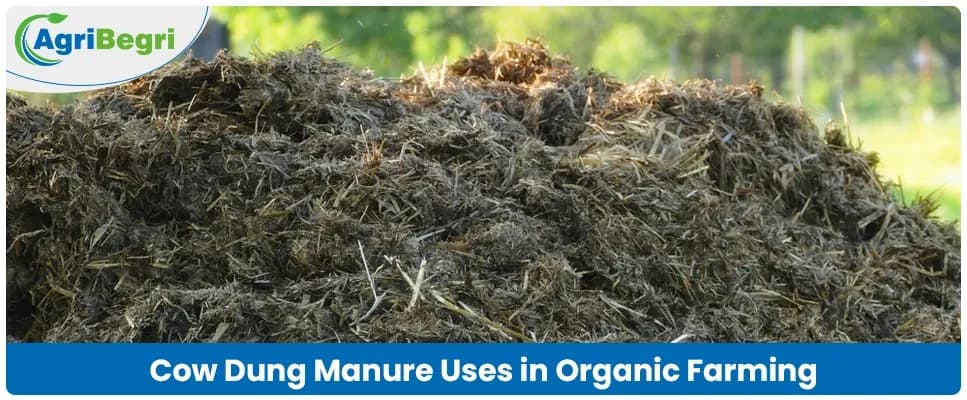
Cow dung manure is the organic waste produced by cows as a byproduct of their digestive process. This excreta is extremely rich in macro- and micronutrients, as well as microorganisms. Not only that, but it also becomes an increasingly potent natural fertilizer after proper treatment, which involves composting or fermentation.
Cow manure contains essential nutrients, including Nitrogen, Phosphorus, Potassium, Magnesium, Sulfur, and Calcium, as well as trace elements such as Copper, Zinc, Manganese, and Iron. Its high organic matter content improves soil structure and supports a diverse range of microbial life.
Being made up of on-farm resources, its structure is biodegradable and eco-friendly. Which means it works without leaving harmful residues inside the soil or on the crops, while also supporting soil enrichment, over time.
Traditional Use of Cow Dung in Agriculture
As a part of traditional Indian farming, cow dung has been used on fields way before modern synthetic fertilizers came into existence. In order to fertilize millets, pulses, paddy crops, or personal kitchen gardens, farmers mix the dung with compost or organic waste. In many farms, farmers burn dung cakes for cooking and also bury them in trenches, bunds, or even around trees to improve soil quality.
Burying and mixing it with the soil ensures pest resistance. Rodents and other insects avoid such areas with strong dung odor. Plastering the walls of rural houses and farm storage with cow dung can regulate the climate inside the rooms. These traditional practices, in many ways, became a strong foundation for modern scientific usage of cow dung fertilizer.

How to Use Cow Dung Manure in Farming
Every farming aid requires excellent application as well. Without precise use, the desired output from these useful aids, such as organic cow manure, is hampered.
Here are some ways in which you can ensure a precise cow dung application:
- Mix a well-decomposed dung in the top soil layers, in order to prime the field prior to sowing or plantation.
- You can use cow dung as a top dressing around existing crop plants. Applying composted dung around the roots is also a great way to replenish nutrients, right in the middle of the session.
- A cow dung slurry is an effective way to ensure the soil absorbs the dung. You can mix the dung well with water and let it ferment for a week. Then spray or drench/spill it over the land.
- A compost made from cow dung is a jackpot. You can mix crop residues and organic farm waste with dung to make high-quality compost.
- Convert the same mixture into a vermicompost by using earthworms, for brilliant soil fertility levels.
- Ayurvedic liquid forms, such as Panchgavya and Jeevamruta, made from cow dung, are excellent traditional organic preparations that enrich the soil and its microbes.
You can very conveniently apply these methods in smaller fields, large orchards, vegetable cultivations, and even multi-acre farms of mass production.
Benefits of Cow Dung Manure for Crops
Boosts Soil Fertility and Nutrient Cycling:
Cow dung is capable of slow and steady nutrient release while also preventing leaching. With usage over time, it can also build soil humus, which makes the soil richer while adding resilience.
Increases Microbial Activity in Soil:
Cow dung can serve as food for beneficial microorganisms, such as fungi and bacteria. These microorganisms then grow faster, accelerating nutrient release and decomposition.
Improves Crop Yield and Quality:
If nutrients are in balanced, the soil is healthy, and crops respond better. As an observation, you can see higher fruit quality with better shelf life and more weight per piece.
Cost-Effective and Easily Available:
It is safe to say that farms and farming households have cattle for other sources of income, through animal husbandry. Hence, it is very easy to obtain cow dung manure. It is also a very convenient alternative to expensive chemical options.
Environmentally Friendly and Sustainable:
Your dependency on chemical fertilizers is also highly reduced by cow dung manure usage. There's also a lower risk of soil degradation, and this practice keeps the farmland sustainable for future generations.
These advantages make cow dung manure a trusted aid and fertilizer for countless farmers.
Precautions While Using Cow Dung Manure
- Compost before each use. Fresh dung is so potent that it can burn the plants and may also be a host for harmful pathogens. Always decompose it before application.
- Avoid over-application. Excessive use can lead to an overload of Nitrogen in the soil or a nutritional imbalance. That's more harmful to plants and can also mean that much of your hard work is wasted.
- Pathogen / odor issues. If you don't cover the mixture during fermentation or don't manage it properly, it can develop a strong smell and contain more bacteria in. The smell is repulsive, and the excessive quantity could also be harmful to crops.
- The quality also matters. Avoid the dung if it is mixed with harmful chemicals or garbage. You also need to be mindful of its exposure to air quality or the health of the cattle that produced the dung. Excessively sick cattle’s excreta should be avoided.
There aren't any serious risks associated with cow dung in farming. With proper precautions, you can ensure a flourished yield quality.
Future Scope in Sustainable Organic Farming
Research and development in the sector has led people to enrich cow dung with bio-fertilizers like Azotobacter and Phosphorus Solubilizers to make enriched cow dung products. Its usage also leads to climate friendly farming practices and carbon sequestration. Even the governments are getting involved where they promote schemes for dung-biogas conversion, industrial plants and organic certifications. As more policies are supporting organic farming, cow dung manure looks like a potential central character in the future of sustainable agriculture.
Conclusion
Cow dung manure is indeed one of the most effective organic fertilizers, but it is also one of the oldest. It feeds the soil while also supporting microbes that improve plant health and reduce the farm's chemical dependency. If you are looking to opt for low-cost and sustainable organic practices, then cow dung manure is your powerful ally. If you use it well, compost it with precision and cleanliness, then your crops will thrive in a natural way.