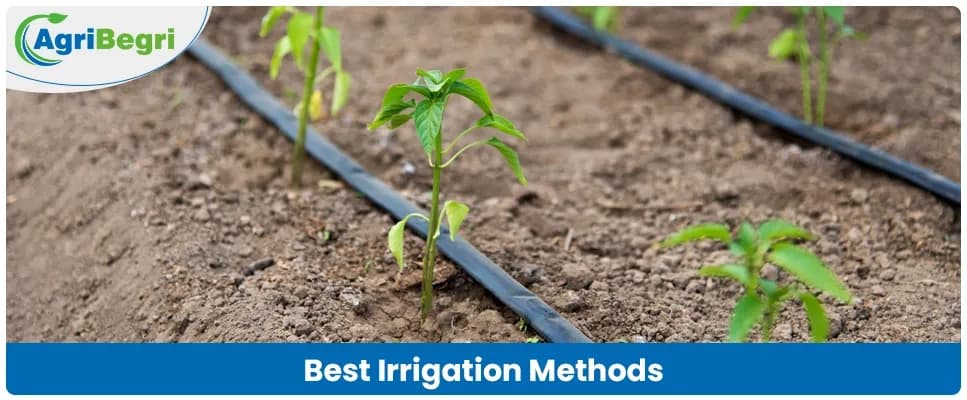
The drip irrigation system has multiple uses and advantages. It saves water, increases the growth of the plants, and reduces the effort. But in a situation when the motor is running smoothly, the plants may show signs of wilting. After inspection, you may find that water is not reaching them. The reason? Your drip irrigation system is clogged.
Many farmers face this problem frequently. While it can be frustrating, clogging can be easily prevented with proper maintenance. Understanding the causes, types of blockages, and the ways to address them is key to keeping your system running efficiently.
What is Clogging in Drip Irrigation?
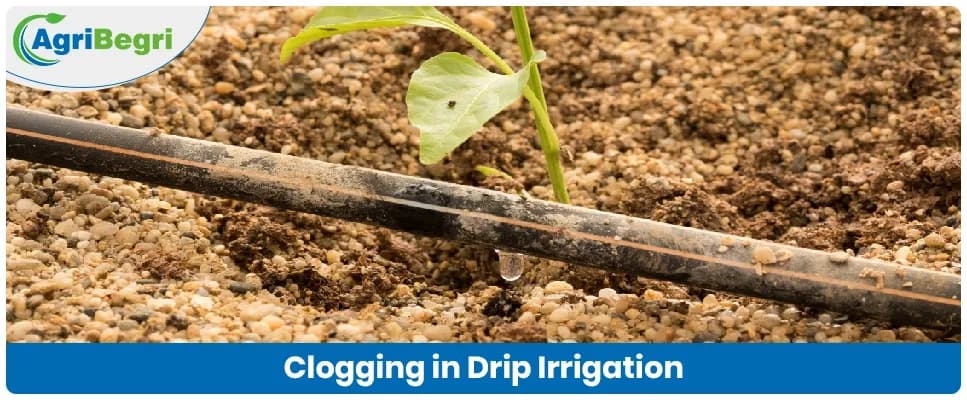
Simply put, clogging occurs when dirt, minerals, or biological growth block water flow in drip irrigation lines or emitters. At that moment, water is either too slow or completely stopped in some of the plants, hence, they become dry and as a result, the plants start to wither.
Its almost like using a super thin straw to water your field. If the straw is full of sand or salt, the water will not be able to go through it. This is what happens in a clogged drip line to a point where it is no longer empowered to do its job effectively.
Types of Clogging in Drip Irrigation
It is impossible that a blockage source will be the same all the time. There are three categories of blockages that you need to understand:
Physical Clogging
Raw water can be full of dust, sand, and some small pieces of clay. When such water is forced to go through the drip lines, the particles get accumulated gradually and they clog the tiny holes of the emitters.
Chemical Clogging
To illustrate, if the water supply has a high concentration of minerals like calcium, magnesium, and iron, then it is capable of causing the production of chemical deposits within the pipes. Such deposits become a sort of scale and slowly restrict water flow.
Biological Clogging
One of the ways of biological clogging is the presence of algae, bacteria, or other microorganisms that live in the moist pipes. They produce a slimy substance known as biofilm, which not only obstructs the emitters but also changes the even water distribution.
Each type of clog can be addressed with different methods; however, the main thing is that your drip lines should always be clean and flowing.

Causes of Clogging in Drip Irrigation
You may be familiar with typical reasons of drip irrigation Indian clogging, that we are going to discuss one by one, from your own experience.
Unfiltered Water
Most of the time, water for agriculture, which is taken from a pond, a canal, or a bore well, is used for irrigation. This water, although quite simple to get, is often full of fine silt, small pieces of sand, and tiny organic matters.
If these particles are allowed to enter the drip lines without filtering, they will keep on settling in the emitters, and slowly their flow will be stopped. So, what can be a clog that over time can cause the total water flow to be stopped in some parts of the field.
Poor Water Quality
Hard water is a big issue among others that Indian farmers have to tackle in a lot of different places. Water that has a high amount of calcium, magnesium, or iron will cause the formation of white or red deposits in the pipes.
At the beginning, these mineral deposits may look like a negligible issue, but they very slowly become so hard - just like cement - and they stop the emitters' outlet. Therefore it is very tough to thoroughly get rid of these blockages.
Algae Growth
Sunlight on water tanks or pipes can promote rapid algae growth. Algae get more rapid growth in the water which is hot and without flow.
At the beginning, these greenish layers or masses can be just an eye sore, but these tiny parts when they become detached and are carried by the water through the irrigation system can block the small holes of drip emitters.
Chemical Reactions
Clogings, at times, are provoked by the chemicals that we introduce in the irrigation water, such as fertilizers. The reaction between certain fertilizers or chemicals and minerals in water leads to the production of solid particles.
The combination of phosphate fertilizers and water high in calcium is an example that may result in a white deposit from the emitters which can block very fast.
In brief, most of the clogging incidents are related to water quality and the manner of its management.
Installation of a simple filter, cleaning the tank on a regular basis, and appropriately mixing fertilizers can be very efficient in freeing your drip system from blockage.
Effects of Clogging on Farming
Clogging could still be shown as a very small problem but its adverse effects on the farming industry can be really huge:
- Uneven Watering: Some plants receive excess water while others remain dry.
- Reduced Yield: Lack of water, exhaustion, and finally, death of plants.
- Fertilizer Loss: If plugged the fertilizer injection goes slow to a stop and the roots get less and less nutrients.
- Extra Maintenance Costs: The time and money that is taken for cleaning and replacing clogged emitters.
- System Damage: Prolonged clogs can create high pressure in certain areas, causing leaks or ruptures.
How to Prevent Clogging in Drip Irrigation
Use Good Filters
Never forget to have a filtration system that suits your water source.
- Sand filters are one of the great methods to remove silt and organic matters.
- Screen or disc filters are good for borewell or tank water. If you don't clean filters regularly, they can get clogged with impurities and the filters will not work effectively.
Flush the System Regularly
By opening the ends of your main and sub lines once every few days, you can let dirt and particles flow with the water and flush out. This one step only can be the reason for 80% prevention of physical clogging.
Check Water Quality
If minerals are too much in your water, consider testing it. Mild acid treatments, like phosphoric acid under guidance, can be used to dissolve mineral deposits in a safe way.
Maintain Fertigation Equipment
Be sure to dissolve fertilizers completely when mixing them. Use separate tanks for different chemicals that can't be mixed and clean your fertigation units regularly.
Conclusion
Drip irrigation is one of the best ways to conserve water and increase the productivity of the farm. But the same care and attention that any other system requires is also necessary here.
If you think of your irrigation system as your farm's lifeline, you'll know what to do. It's simple: keep it clean, filter your water, and flush it often. The end result is the same every season - your crops will be thriving.
By using good habits and with a little care, you can have a system that runs without any problem and is as efficient as you want and keeps your fields green and your yields at their highest level.