Introduction:
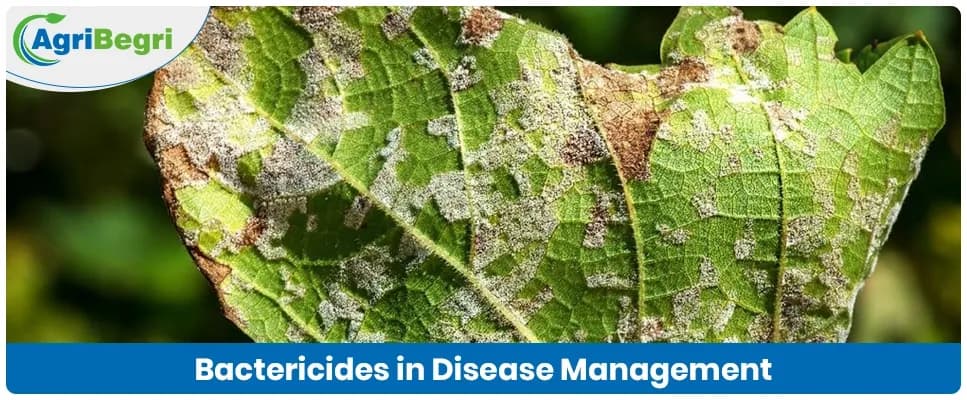
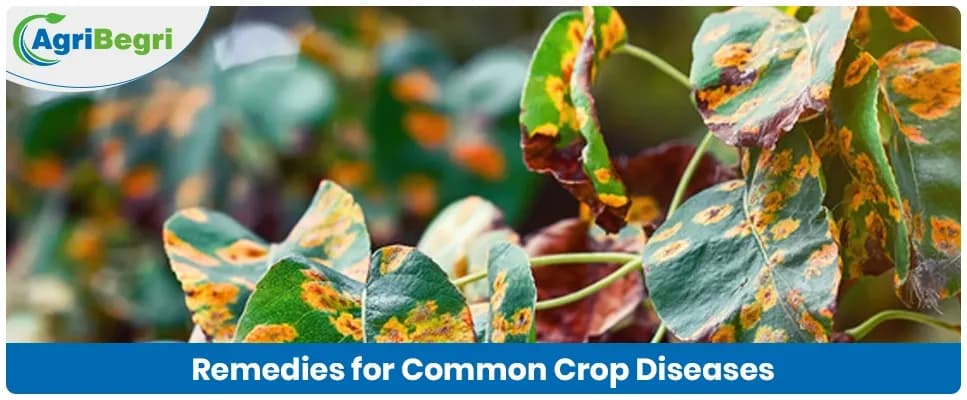
If one day you walk into your farm early in the morning and notice strange dark spots on the leaves of your tomato cultivation. You water the crop, add fertilizers, and then hope for a recovery. However, by evening, things have escalated, and the spots have now spread.
This cannot be blamed on bad weather. These symptoms are a clear indication of a bacterial infection. These infections are silent destroyers of your crop. Bactericides are your strongest tools to fight bacterial infections.
In this blog, we will explore how bactericides function and the various types of bactericides. This will help you make informed decisions about the bactericides that best suit you and your crop. You will also learn the wise and safe use of bactericides for maximum protection.
What Are Bactericides?
Bactericides are compounds or substances that inhibit, kill, or prevent the growth of bacteria that cause crop diseases. Unlike a fungicide that targets all fungi in general, bactericides target the specific harmful bacteria.
Bacteria like Xanthomonas, Pseudomonas, and Erwinia, which further cause blights, wilts, and rots, can be controlled with bactericides. Their function, technically, depends on their types. Here are the two predominant types of bactericides:
Types of Bactericides in Agriculture
As an Indian farmer, you have easy access to both chemical and eco-friendly types of bactericides. However, choosing the right one is challenging, as the decision depends on factors such as crop selection, environmental considerations, and the severity of the infection.
Chemical Bactericides
They are extremely fast acting in nature, which is why they're also widely used. They attack the bacteria directly, stopping any further spread. They're indeed effective, but they should be used responsibly in order to avoid resistance and soil contamination.
Examples of Chemical Bactericides:
Copper-based bactericides like copper hydroxide, copper sulphate and copper oxychloride are extremely effective against bacteria that cause blights in tomatoes, citruses and rice.
Additionally, antibiotic-based bactericides like mixtures of streptomycin and tetracycline control bacterial leaf streaks and wilts when used in restricted amounts.
Lastly, another type of chemical bactericides are Quaternary Ammonium Compounds, are often used in greenhouse setups for seed treatments and surface cleansing.
Biological and Eco-friendly Bactericides
Chemical overuse has raised concerns among farmers. Therefore, they are now turning towards biological bactericides that promote long-term soil health and control bacterial outbreaks.
Examples of Biological Bactericides:
Plant-based extracts, such as turmeric, garlic, and neem, have proven antibacterial properties. Apart from that, some beneficial microbes, such as Bacillus subtilis and Pseudomonas fluorescens, can be used as biocontrol agents against harmful bacteria.
Furthermore, organic acids such as acetic acid, commonly known as vinegar, and lactic acid are capable of naturally suppressing bacterial populations. These eco-friendly options ensure residue-free produce while also safeguarding the commercial crop. This is extremely important for domestic and international export markets.

Benefits of Using Bactericides in Crop Disease Management
One of the primary benefits of using bactericides to manage crop diseases is their environmental sustainability. It is rather a long-term benefit, but also an extremely important one. If you manage bacterial diseases in the early stages, you avoid the future need for stronger and more powerful pesticides.
Farming isn't a completely human-dependent business. The profits equally rely on nature. By not reaching a point of broad-spectrum pesticide usage, you are indirectly protecting the soil ecosystem.
When used in regulated amounts, copper-based bactericides have consistently shown positive results in controlling blight infections in rice production. Similarly, plant extract bactericides have reduced bacterial disease pressure for vegetable cultivation in organic farming.
Furthermore, bacterial wilt poses a significant threat to fruit and tomato cultivation. But just like a stitch in time saves nine, the timely application of bactericides has ensured healthy fruits and great market prices.
Here are some of the many benefits of bactericides:
1) Higher Yields:
You can ensure better and higher harvests through bactericides that fight off the infections in early stages, when the crop can be saved.
2) Better Quality:
Bactericides are capable of reducing blemishes and rotting. This leads to a higher market value of vegetables and fruits, due to visual appeal.
3) Lesser Losses:
Sudden disease outbreaks are prevented by preemptive and preventive application measures that protect the entire field.
4) Sustainable Farming:
Biological bactericides can enrich the soil and reduce dependence on heavy chemicals.
5) Cost-effectiveness:
Repeated replanting and input costs can be controlled or prevented through the strategic use of these bactericides.
Conclusion:
Bactericides aren't solely crop protectors, but they are also your silent partners in cultivation. The correct choice of bactericides can lead to healthier crops and a profitable harvest. This is true for both chemical bactericides and eco-friendly bactericides. Put them to good use, and you will personally see the difference it brings to your yield.