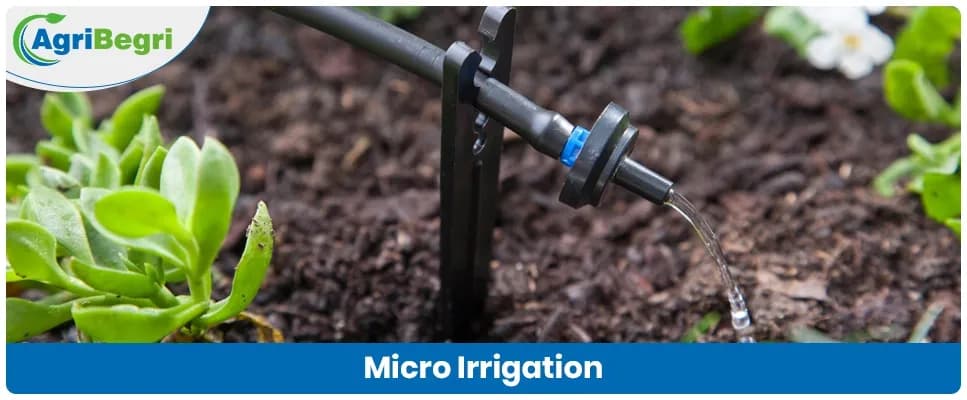
Technology is transforming agriculture, and farmers are gradually adopting innovations to make their work easier. One of the most impactful advancements is automated irrigation system.
In India, where agriculture has always been a key sector, irrigation plays a vital role in determining crop growth and yield. Automated irrigation system help farmers increase productivity and modernize their agricultural practices.
How Do Automated Irrigation System Work?
While traditional irrigation methods have supported Indian agriculture for centuries, they often lead to water wastage and inefficiency.
To address this issue, smart irrigation systems have emerged as a solution for optimizing water use. Automated irrigation system use modern devices such as sensors, controllers, and actuators to monitor environmental conditions, eliminating guesswork
Every action is based on real data, and the devices are deployed automatically. This saves the farmer from manual observations that waste time and also water if these observations are not correct.

Types of Automated Irrigation System
Smart irrigation systems are available in different variations to suit a farmer’s needs. We have compiled a list of all the types of automated irrigation system for a better understanding.
Pneumatic System:
Pneumatic systems use gas or pressurized air to move cylinders and other mechanical objects forward. This pneumatic system is used to control the pressure and supply of water and dispense water based on sensor readings. Whenever there is a need for water supply, this system automatically releases pressure to regulate water flow to the crops.
At every cut-off point, sensors are activated to dispense water automatically. Using the same principle, water flow is regulated to the irrigation systems, and the crops receive the right amount of water at the right time.
Portable Timer System
A portable timer system utilizes electronic clocks to automatically open and close irrigation valves, functioning similarly to an automatic sprinkler system.
Timer or Sensor Hybrid
This system combines both portable timers and sensory systems. It is a smart irrigation system that utilizes precise timing and automatic sensors to open and close irrigation structures.
In addition, a movable sensor is placed down the bay so when it comes in contact with water, it transmits radio signals to the clocks to open and close the structures. It is a sort of double-checking method to ensure water is dispensed as needed to the crops and not wasted in guesswork and manual systems.
Supervisory Control and Data Acquisition (SCADA)
The latest smart irrigation system in agriculture is Supervisory Control and Data Acquisition, which consists of a computer and software package that controls the irrigation system through radio links.
SCADA technology can be used in many ways in automotive irrigation. It has the ability to sense the water levels in the soil and send an automotive message to the main system to trigger irrigation. Signals are sent from the computer to open and close structures using linear actuators.
The sensors are able to decide how much water should be used. It can also automatically calculate wet bulb temperatures, ensuring crops are protected from freezing temperatures or frost. It waters delicate plants before a massive frost, possibly saving the crops in the process.
Automatic Irrigation System Components
Automatic irrigation systems are based on a strong system of devices that carry out their tasks methodically. These systems reduce water and energy waste, lower labour requirements, and provide healthier plants to the farmer. Listed below are the automatic irrigation system components that contribute to making the ecosystem a strong contender.
Main Irrigation Controller
The main controller acts as the system’s brain, determining when and how long to irrigate. Auto-drip controllers can manage multiple zones and support fertigation, with built-in rain and flow sensors to prevent damage and overwatering.
The electronic controller is responsible for operating various devices like the water pump, automatic flushing of sand media filters, valves, and the automatic fertigation injector.
Solenoid Valves
These valves open and close based on the main controller’s schedule. It is used to control irrigation by connecting or disconnecting the water supply. For the smart irrigation system in agriculture to run smoothly, solenoid valves are important to be registered in each irrigation zone.
These valves come in different sizes, including 2-way, 3-way, and 24 VAC Solenoid valves, which can manage various zones and irrigate parts of the field at a time or several zones, depending on the requirements.
Sensors
Automated irrigation system use rain and flow sensors to manage water efficiently. Rain sensors stop irrigation when it’s raining, while flow sensors detect if water isn’t moving, preventing damage and overwatering. They also help spot issues like leaks, keeping the system and crops safe.
Fertigation
Automated fertigation injects nutrients through micro-irrigation systems at controlled intervals, ensuring crops receive the right amount of fertilizer at the right time.
Advantages of Automated Irrigation System
Here are the advantages of automated irrigation system which includes;
- Deploying a precise amount of water to the crops
- Water wastage is reduced as crops receive water adequately.
- Increase in crop yield and quality
- Consistent moisture levels are maintained, and plants are able to grow in a healthy environment
- Labour costs are reduced
Disadvantages of Automated Irrigation System
Automated irrigation system also comes with some of the drawbacks, here we have added some of the disadvantages of automated irrigation system.
- Higher initial costs are incurred by the farmer compared to manual systems. The costs include purchasing advanced equipment, professional installation, and ongoing maintenance and repairs.
- Setting up an automated irrigation system can be complex, especially if it includes advanced features or technology.
- As it is dependent on battery or power, outages can result in missed water schedules.
Future of Automated Irrigation System
The future of automated irrigation system appears favorable, as these systems are projected to save up to 30% of agricultural water, reduce costs by 20% and boost yields by 30%.
As technology advances, farmers can expect long-term benefits from investing in smart irrigation systems, including water savings, cost reduction, and higher crop yields.